

Produkte

  • Heim
  • //
  • Produkte
  • //
  • Patch
  • PVC-Flicken
  • Umweltfreundliche, individuell gestaltbare 2D- oder 3D-Weich-PVC-Aufnäher für Bekleidung mit niedriger Mindestbestellmenge

Umweltfreundliche, individuell gestaltbare 2D- oder 3D-Weich-PVC-Aufnäher für Bekleidung mit niedriger Mindestbestellmenge

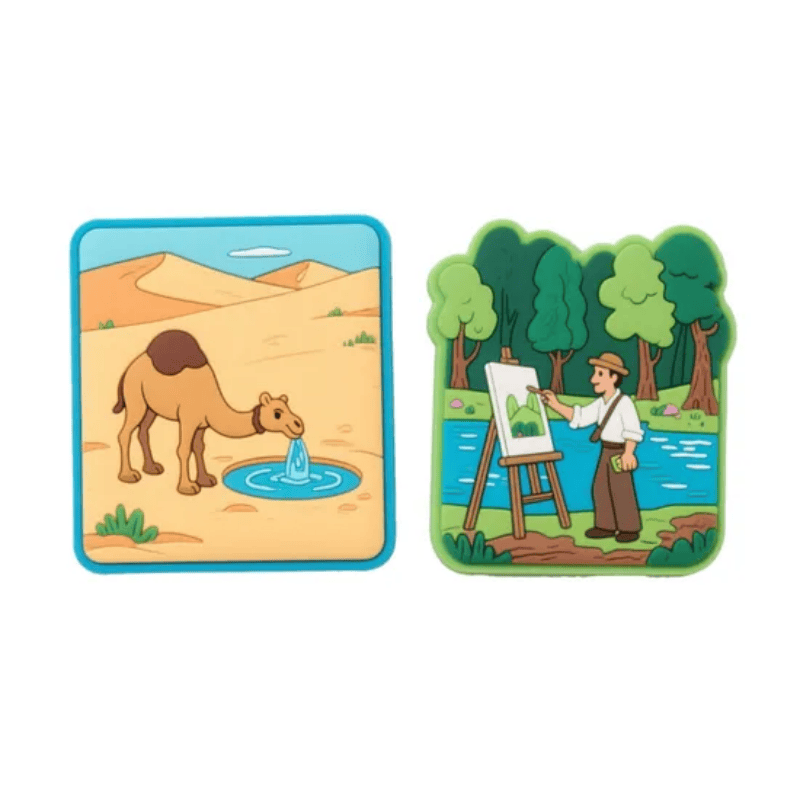
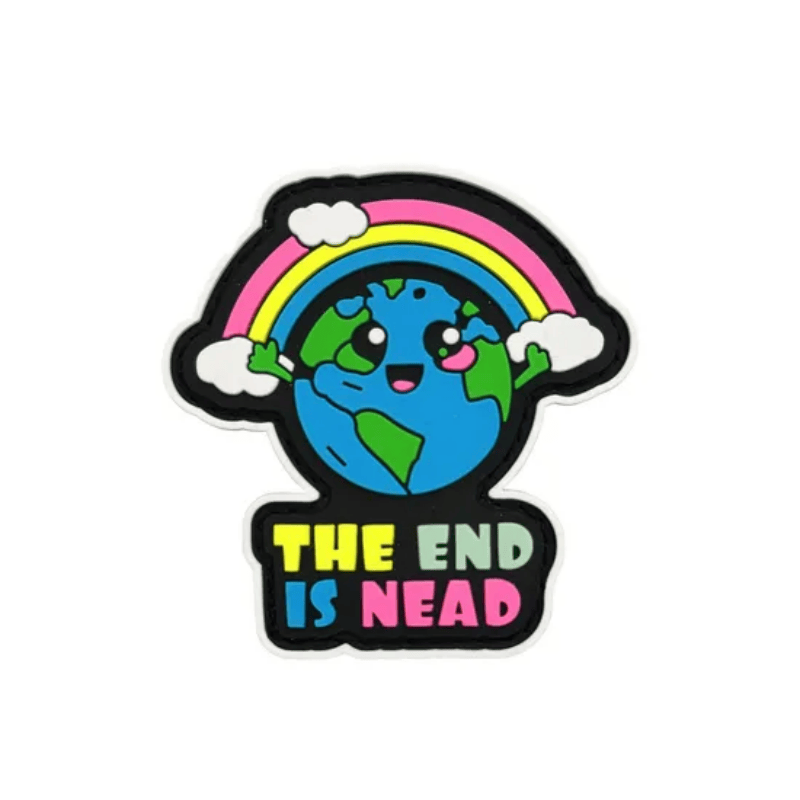
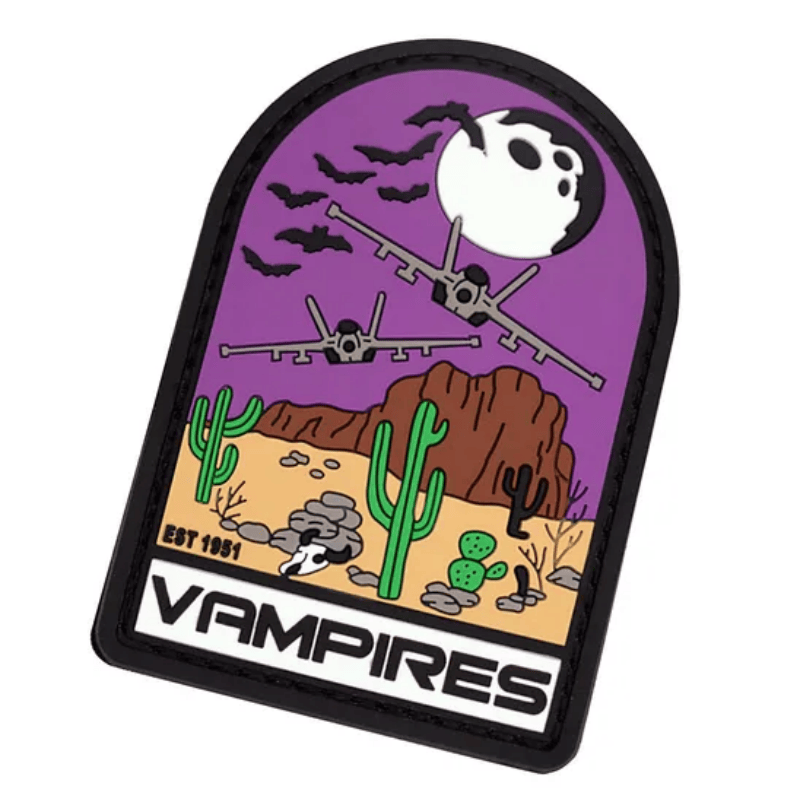
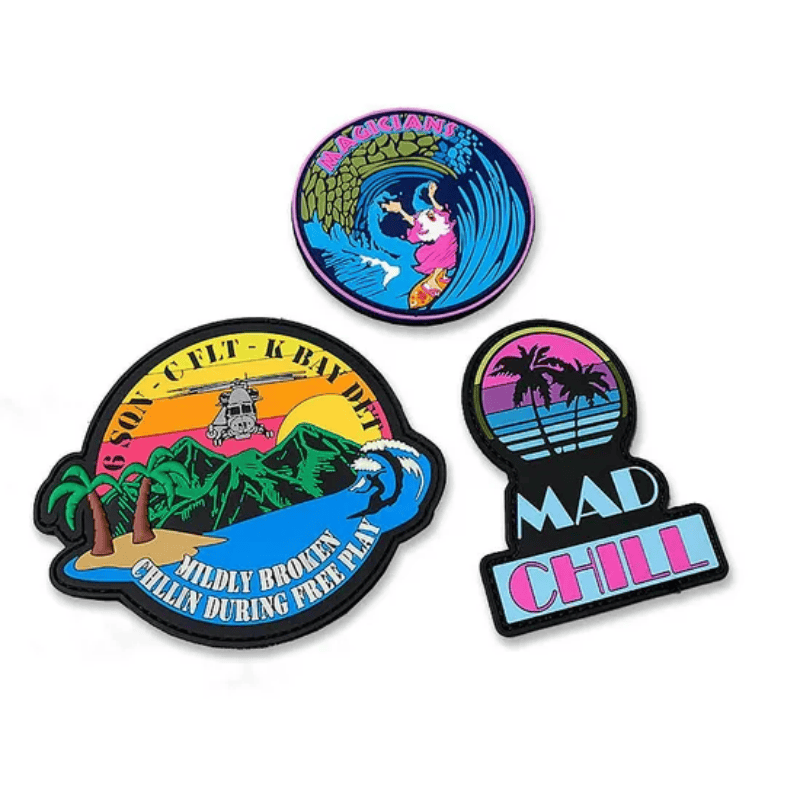
Unser individueller PVC-Aufnäher mit Cartoon-Motiven vereint lebendige Cartoon-Grafiken mit herausragender Strapazierfähigkeit. Hergestellt aus hochwertigem, weichem PVC-Material mit leuchtenden, satten Farben, eignet er sich ideal für individuelle Landschaftsmotive, Comicfiguren, Naturlandschaften, Sehenswürdigkeiten, Slogans und kreative Illustrationen. Flexibel, wasserfest, abriebfest und farbecht sind diese Aufnäher perfekte Reisesouvenirs, Deko-Accessoires, Sammlerstücke und Werbegeschenke. Sie passen hervorragend zu Tourismusartikeln, Outdoor-Ausrüstung, Team-Event-Geschenken, Firmen-Souvenirs und Sammlerstücken. Dieser vielseitige Aufnäher kombiniert künstlerisches Design mit praktischer Funktionalität und setzt einzigartige Akzente auf Rucksäcken, Jacken, Mützen, Reisetaschen und taktischer Ausrüstung.

Weiche PVC-Flicken:

Unser individueller PVC-Aufnäher mit Cartoon-Motiven vereint lebendige Cartoon-Grafiken mit herausragender Strapazierfähigkeit. Hergestellt aus hochwertigem, weichem PVC-Material mit leuchtenden, satten Farben, eignet er sich ideal für individuelle Landschaftsmotive, Comicfiguren, Naturlandschaften, Sehenswürdigkeiten, Slogans und kreative Illustrationen. Flexibel, wasserfest, abriebfest und farbecht sind diese Aufnäher perfekte Reisesouvenirs, Deko-Accessoires, Sammlerstücke und Werbegeschenke. Sie passen hervorragend zu Tourismusartikeln, Outdoor-Ausrüstung, Team-Event-Geschenken, Firmen-Souvenirs und Sammlerstücken. Dieser vielseitige Aufnäher kombiniert künstlerisches Design mit praktischer Funktionalität und setzt einzigartige Akzente auf Rucksäcken, Jacken, Mützen, Reisetaschen und taktischer Ausrüstung.

Produktmerkmale und Vorteile

■ Vorteile:

▪Hohe Strapazierfähigkeit, wasserdicht, abriebfest und farbecht; behält seine leuchtenden Farben über lange Zeit bei täglichem Gebrauch und im Freien.

▪Hochwertige Farbwiedergabe, satte Farbabstufungen, perfekte Wiedergabe komplexer Details aus Cartoons, Landschaften und Illustrationen.

▪Weiches, flexibles PVC-Material, biegsam, reißt, verformt sich nicht und blättert nicht ab

▪Mehrere Trägeroptionen verfügbar, praktisch zum Anbringen und Austauschen auf Kleidungsstücken, Taschen und Textilien.

▪ Unterstützt unregelmäßige Sonderformen, quadratische, gebogene, runde und spezielle Konturschnitte, um Ihr Kunstwerk optimal zu ergänzen.

▪ Glatte Kantenverarbeitung, keine scharfen Grate, angenehm im Kontaktbereich

Produktparameter

■ Material

▪Weiches PVC: Gängige Option, flexibel, ermöglicht komplexe, unregelmäßige Formen, große Farbauswahl für Cartoon- und Landschaftsmuster

▪Hartes PVC: Steife Textur, scharfe Kontur, geeignet für flache, zur Präsentation geeignete Souveniraufnäher

▪Alternativer Stickstoff: Textilstruktur, hochwertiger Sammlerstil zur Auswahl

■ Größe: Vollständig anpassbare Größe und individuelle Konturform
■ Annahme: OEM/ODM, Handel, Großhandel, Entwicklung kundenspezifischer Designs
■ Zahlungsmethoden: Überweisung, Akkreditiv, PayPal
■ Anwendungsszenarien: Reisesouvenir, Touristenartikel, Sammlerstücke für Hobbyisten, Dekorationsartikel, Teamgeschenke, Werbegeschenke für Unternehmen, Erinnerungsgeschenke für Veranstaltungen…

Farbe:Pantone-Farbkarte

Merkmal & Vorteil:

Die Etikettenoberfläche kann mit Präge- und Relieftechniken bearbeitet werden.

Die Form kann nach Kundenwunsch gestaltet werden.

Umweltfreundlich, waschbar, ungiftig.

Unser professionelles Designteam unterstützt Sie bei der Entwicklung eines perfekten Stils, um Ihre Marke effizient und kostengünstig zu bewerben.

OEM- und ODM-Aufträge.


Artikelname Individuell gestalteter PVC-Souveniraufnäher mit Cartoon-Motiv
Material Weiches PVC / Hartes PVC / Stickstoff (optional)
Logo- und Grafikprozess 2D-/3D-geformte, ein-/beidseitige individuelle Illustrationen, Landschaftsmotive, Cartoon-Motive, Sloganmuster
Farbprozess Mehrfarbige PVC-Spritzgussfüllung, matte/glänzende Oberflächenveredelung, Unterstützung von Farbverläufen
Unterstützungsoption Klettverschluss auf der Rückseite, Bügelvlies mit Heißsiegelung, Selbstklebende Rückseite, Keine Rückseite (kundenspezifische Ausführung optional)
Verpackung Polybeutel, OPP-Beutel, Luftpolsterbeutel, Einzelgeschenkbox, Verpackung gemäß Kundenwunsch
Oberflächeneffekt Mattes Finish, glänzendes Finish, seidenmatter Effekt erhältlich
Anwendung Reisesouvenir, Touristengeschenk, Taschen- und Kleidungsdekoration, Sammlerstück für Hobbyisten, Werbegeschenk für Teams, Firmengeschenk…


Verwendung:

Es kann auf Kleidung, Hosen, Kleidungsstücke, Handtaschen, Mützen, Schuhe usw. genäht/geklebt/direkt aufgepresst werden.

Abtastzeit: 4-6 Tage

- UNSERE PRODUKTE

VERWANDTE PRODUKTE

Individuell gravierter Vintage-Schlüsselanhänger aus Metall, personalisiertes Reisesouvenir & Werbegeschenk
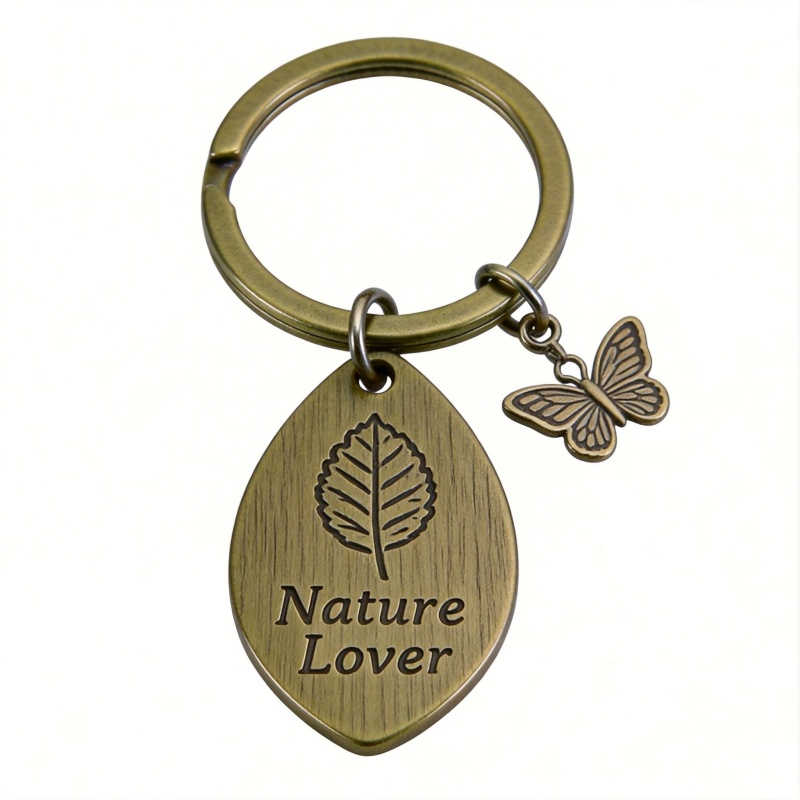
Unser individuell gravierter Metall-Schlüsselanhänger im Vintage-Stil vereint klassisches Design mit praktischer Langlebigkeit. Gefertigt aus hochwertigem Metall mit elegantem Vintage-Finish, bietet er eine präzise, ​​tiefe Gravur für Logos, Muster, Wahrzeichen oder aussagekräftige Texte. Kompakt, robust und leicht – der perfekte personalisierte Reisesouvenir und ein stilvolles Werbegeschenk. Ideal für Tourismusveranstaltungen, Firmengeschenke und Gedenkanlässe: Dieser zeitlose Schlüsselanhänger vereint Nostalgie, Funktionalität und Markenpräsenz und macht jeden Tag zu einem besonderen Erlebnis.
Individuell gestalteter Vintage-Schlüsselanhänger aus Metall mit 3D-Relief, antiker Souvenir-Schlüsselanhänger aus Messing, personalisierter Jubiläums-Schlüsselanhänger
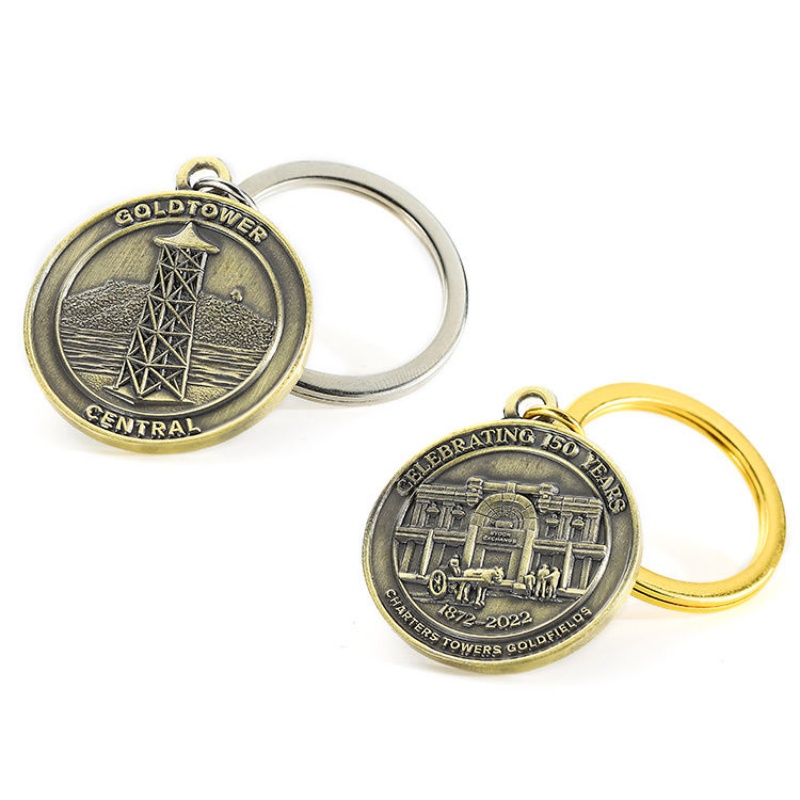
Unser individueller Vintage-Schlüsselanhänger aus Metall mit 3D-Relief vereint zeitlose Antikmessing-Optik mit beeindruckenden Reliefdetails und besticht durch seinen eleganten, nostalgischen Charme. Er ist aus robustem Metall gefertigt und zeichnet sich durch tiefe, lebendige Texturen aus, die Logos, Embleme oder Gedenkmotive perfekt in Szene setzen. Personalisiert für Jubiläen, Meilensteine ​​oder besondere Anlässe, ist er ein bedeutungsvolles Erinnerungsstück und ein praktischer Begleiter für jeden Tag. Kompakt, stabil und charaktervoll – dieser Schlüsselanhänger ist ein hochwertiges Souvenir, das Erinnerungen bewahrt und gleichzeitig dauerhafte Funktionalität bietet.
Individuell gestalteter quadratischer Metall-Schlüsselanhänger, gravierter Emaille-Herz-Schlüsselring, personalisiertes Souvenirgeschenk für Veranstaltungen und Kongresse
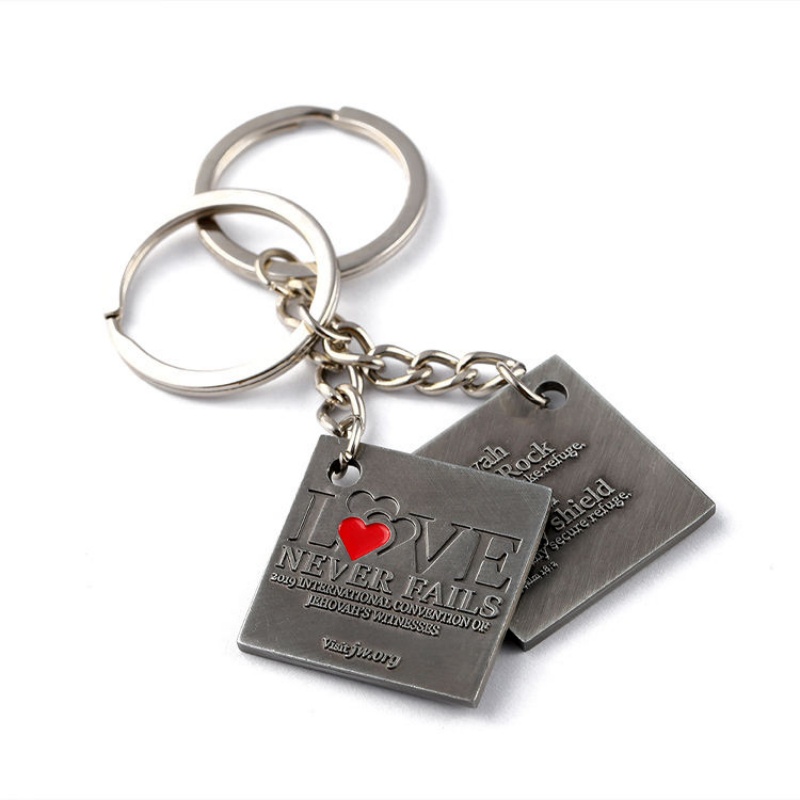
Unser individuell gestaltbarer quadratischer Metall-Schlüsselanhänger vereint moderne Geometrie mit zarten Herzdetails zu einem unvergesslichen Erinnerungsstück. Mit seinen glatten Gravuren und der farbigen Emaille-Füllung bietet er ein klares, langlebiges Design, das perfekt auf Ihre Marke oder Veranstaltung abgestimmt ist. Robust, leicht und für den täglichen Gebrauch geeignet, ist dieser Schlüsselanhänger das ideale personalisierte Werbegeschenk für Messen, Firmenveranstaltungen und besondere Anlässe. Vollständig individualisierbar mit Logos, Slogans oder bedeutungsvollen Symbolen, vereint er sentimentalen Charme mit praktischer Funktionalität. Ein stilvolles, durchdachtes Geschenk, das bei jedem Beschenkten einen bleibenden Eindruck hinterlässt.
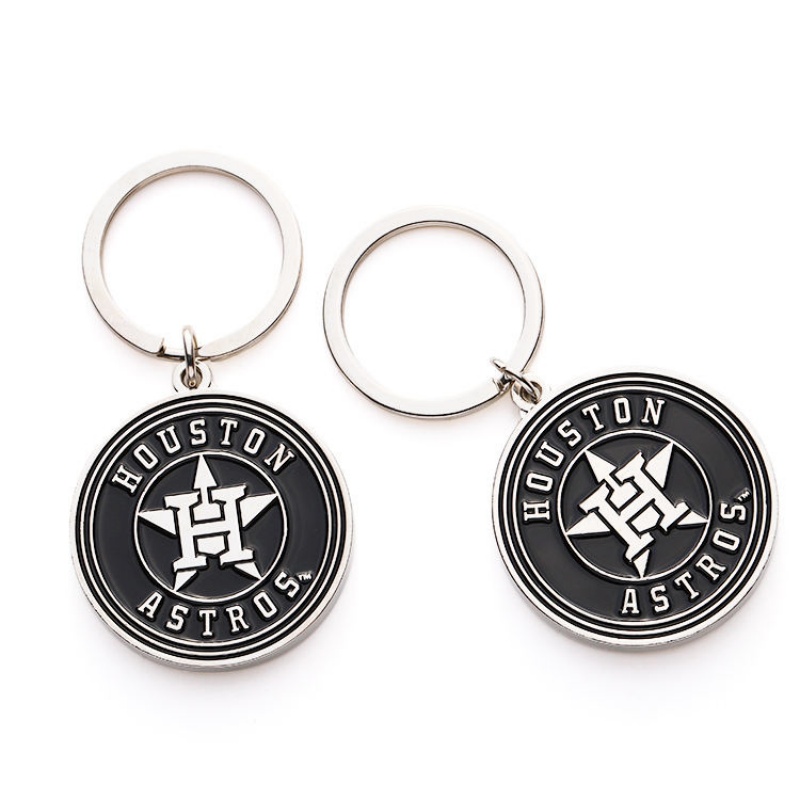
Runder Schlüsselanhänger aus emailliertem Metall, individuell gestaltet, Sammlerstück im Sportteam-Design, personalisiertes Geschenk für Fans
Zeigen Sie Ihre Begeisterung für Ihr Team mit unserem runden Schlüsselanhänger aus emailliertem Metall. Im markanten Design Ihres Lieblingsteams besticht er durch leuchtende Emaille-Farben, präzise Details und eine robuste, polierte Metalloberfläche. Gestalten Sie ihn individuell mit Teamlogos, Farben, Slogans oder Maskottchen – ein begehrtes Sammlerstück für Fans und Unterstützer. Kompakt, stabil und leicht, lässt er sich einfach an Schlüsseln oder Taschen befestigen. Ideal als Fangeschenk, Werbegeschenk bei Turnieren, Fanartikel oder Souvenir – dieser Schlüsselanhänger vereint Teamstolz mit praktischer Alltagstauglichkeit.

jüngste
Blogartikel

Why One-Stop Promotional Product Sourcing Pays Off

17
September
A multi-item campaign can look simple on a brief and become messy as soon as each product follows a different proof, production, packing, and shipping path. One-stop sourcing earns its value when a single partner coordinates those handoffs, keeps the brand rules intact, and makes the complete delivery plan visible before production begins. Campaign complexity grows at the handoffs The real cost of fragmented sourcing appears between suppliers. A medal, patch, keychain, and lanyard may share one campaign date, yet each uses different artwork limits, color methods, tooling steps, and packing requirements. Separate versions of the brief can quickly create separate approval problems. Those problems compound when an item changes. A revised quantity can affect packing, carton counts, freight mode, and the date when other products must be ready for consolidation. Buyers comparing promotional products suppliers should ask who owns the cross-category schedule, not who can quote the longest catalog. A single owner turns variety into one operating plan Central coordination creates one control point for information that would otherwise be repeated. The supplier can translate a campaign brief into item-level specifications and flag decisions that remain product-specific. Procurement still approves each item, but every approval follows one naming system, one version history, and one milestone plan. Control point Multiple disconnected suppliers One-stop sourcing model Artwork Separate file requests and proof formats One master brand file with item-specific proofs Color Independent interpretations of brand colors Shared Pantone references and approved tolerances Packing Carton and labeling decisions made late Pack-out defined before production closes Schedule Dates tracked product by product Dependencies managed against one campaign deadline This model should preserve technical differences. Strong one-stop sourcing separates common brand rules from category-specific production limits. A buyer can approve a woven label differently from a die-cast coin while keeping campaign identity and delivery logic connected. Consolidation protects the brand across product types Brand consistency depends on controlled translation because the same logo cannot be reproduced identically on every surface. Fine lines that work in print may need adjustment for embroidery, while metal relief, laser engraving, and molded PVC require different spacing decisions. A supplier handling custom promotional items should show how the master artwork changes by process before final approval. Physical samples or production proofs turn that explanation into an acceptance standard. Buyers should record approved dimensions, color references, logo position, surface finish, attachment, and packaging for each SKU. The advantage of consolidation is a shared approval system, not one generic proof that ignores how the products are made. Product range matters only when control travels with it A broad catalog is useful only when the supplier can explain where each item is made and how outside work is controlled. This question matters most for mixed campaigns because specialty fittings, retail boxes, or trend-led accessories may come from different production partners even when one company manages the order. That is where TIANYAO CRAFTS fits the one-stop model. Its operations cover metal and embroidery crafts, while dedicated lanyard and PVC factories extend the range. A purchasing team sources special fittings, packaging materials, and trend items, evaluates outside factories, and arranges quality checks before shipment. The same control logic should apply when a campaign includes unique promotional gifts outside the core factory range. Before accepting a consolidated quote, confirm who approves the sub-supplier, who holds the master sample, where inspection occurs, and how a failed item affects the combined shipping date. One-stop service is credible when responsibility remains clear at every handoff. One timeline must cover proofing production and freight Campaign deadlines should be planned backward from the required arrival date. The schedule needs room for artwork review, sample approval, production, inspection, packing, consolidation, export handling, and transport. A supplier may complete one fast item early, but that does not protect the event date if another SKU misses its proof window. Buyers should request milestones that name the owner and latest safe approval date for every product. They should also identify which items can ship separately if a delay occurs. This turns on-time delivery into a plan with visible decision points and recovery options. Consolidated shipping can reduce the number of deliveries and simplify receiving, but it is not automatically the best answer. Separate freight may be safer for an urgent launch item or a product with a longer inspection cycle. The strategic benefit lies in making that tradeoff once across the whole campaign. How to judge whether consolidation fits your campaign One-stop sourcing works best when several products share a brand system, approval team, destination, or launch date. It is especially useful when the buyer values fewer handoffs, consistent documentation, and coordinated packing. A specialist may still be better for a technical item whose process or compliance requirements exceed the general partner’s control. Before appointing one partner, test the operating model. Which categories are made in-house? Which are sourced? How are artwork changes recorded? Who approves sub-suppliers? What inspection evidence is available? Can carton labels and kitting follow one plan? Clear answers show whether the supplier is consolidating responsibility or forwarding purchase orders. The strategic advantage is controlled simplicity The strongest one-stop relationship simplifies campaign management without simplifying the products. Each item keeps its manufacturing logic, while the campaign gains one brief, one approval history, one schedule, and one accountable coordination team. That combination can reduce rework and make delivery risks easier to spot. For a campaign spanning several categories, send TIANYAO CRAFTS the product list, quantities, artwork, packaging plan, destinations, and required arrival date. The response should make ownership and milestones as clear as the product choices. FAQ What should a one-stop promotional product brief include? A useful brief lists each product, quantity, target recipient, logo files, Pantone references, decoration method, packaging, destination, and required arrival date. It should also name the approvers and explain which items must arrive or pack together. Does one-stop sourcing always lower unit prices? No. Consolidation may reduce coordination, duplicate setup, and fragmented freight, but unit cost still depends on material, process, quantity, tooling, and schedule. Compare the complete landed and management cost, not only the lowest line-item quote. How can buyers verify color consistency across products? Use one master color reference, then approve item-specific samples or proofs for each material and process. Record acceptable tolerances where exact matching is impossible. Keep approved samples available for production inspection and repeat orders. Can different promotional products ship together? They can when production dates, packing formats, customs requirements, and destination plans align. The supplier should show the consolidation cutoff and the cost of waiting. Urgent or inspection-sensitive items may need a separate shipment. When is a specialist supplier the better choice? A specialist is preferable when one item carries unusual engineering, testing, compliance, or process demands that the one-stop partner cannot control or document. The buyer can still consolidate the remaining items under one campaign plan.
How Custom Patches Build Local Fashion Identity

10
September
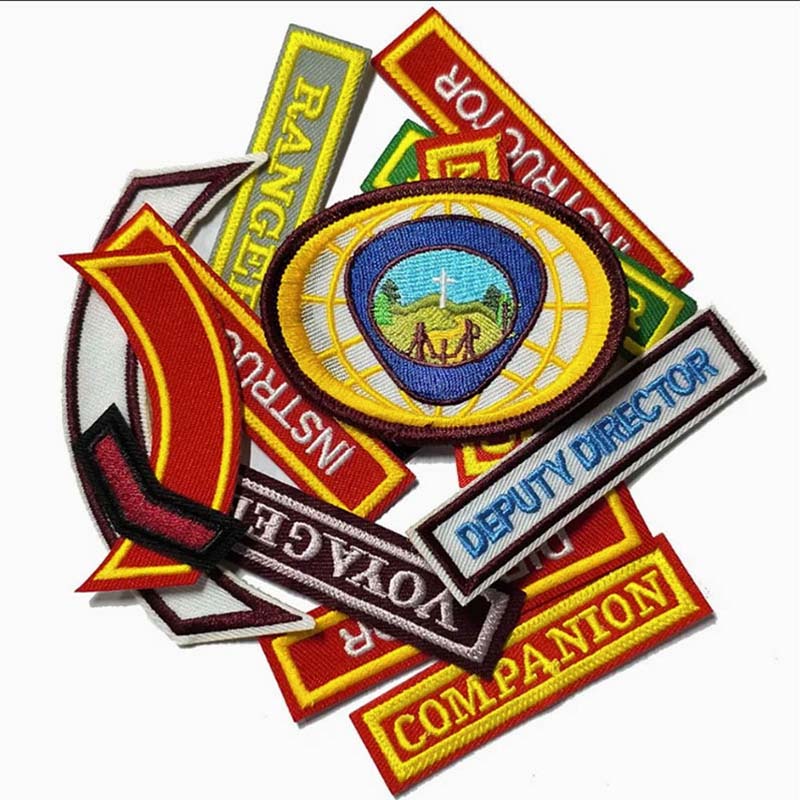
Local fashion often grows from signals people recognize across a street, a pop-up table, or a social feed. A small fabric detail can carry that signal better than another printed slogan because it feels touchable and shared. That is why patches remain useful for labels that want community identity to live on jackets, caps, bags, uniforms, and event merch. Fabric Identity Works When People Can Wear It A local label becomes easier to remember when its visual mark travels with the people who believe in it. Patches give that mark a physical edge: thread, border, backing, and placement all affect how the item feels in real use. A screen print can flatten into the garment, while a patch creates a small object on the surface of fabric. This is the practical appeal of custom embroidery patches for fashion crews, campus groups, music collectives, and neighborhood campaigns. The patch can carry a logo, mascot, phrase, date, or symbol while letting the base garment stay simple. When the same mark appears across different clothing items, the group looks connected without needing identical outfits. That sense of connection matters because local fashion is usually built through repeated sightings. A jacket worn by one person, a tote carried by another, and a cap on a vendor table can all point back to the same identity. The patch becomes the part people notice, touch, ask about, and remember. Texture Changes The Feeling Of The Message The right patch style shapes how brand identity comes across. Embroidered patches are built with stitched threads on fabric bases, delivering a raised, artisanal surface. Woven patches use fine interlaced threads, enabling crisp, flat detail for tiny text and intricate graphics. Chenille patches bring a plush, vintage-varsity aesthetic, while printed patches excel at reproducing photographic imagery and complex gradient art. Raised thread feels personal Raised embroidery works perfectly for brands aiming for warmth, heritage, and hand-crafted character. It fits club crests, minimalist icons, bold monograms, sport-inspired badges, and any design where texture carries part of the brand story. A patch is more than just a printed graphic — it adds tangible, physical character to garments. Flat detail keeps small graphics readable A woven patch becomes stronger when the design includes narrow lines, small type, or compact illustration. The surface stays smooth, so it can look cleaner on hats, technical jackets, and bags. This is especially useful when a local label needs a detailed emblem to remain legible at a modest size. Patch style Best identity use Visual effect Embroidered Bold logos, heritage marks, team identity Raised thread and classic texture Woven Small text, detailed icons, clean fashion marks Flat surface with sharper detail Chenille Varsity drops, sports capsules, nostalgic branding Soft pile and strong dimension Printed Artwork, gradients, photo-style graphics Smooth surface and full-color detail  Placement Turns A Patch Into A Social Cue Patch placement changes how people read the garment. A chest patch feels official and close to the wearer. A sleeve patch feels like a team or crew signal. A back patch behaves more like a poster, while a bag or cap patch travels through daily routines with less commitment than a full garment. The same visual mark can change mood across items. On denim it may feel collectible; on a work shirt it may feel organized; on a tote it may feel casual and public. That flexibility is why one patch for shirt program can extend into caps, backpacks, aprons, and event uniforms. Good placement avoids decoration without meaning A patch has the most value when it answers a placement question instead of filling space. The wearer should understand why the mark sits there: to identify a role, show belonging, mark a limited release, or carry the story of an event. Random placement weakens the identity. Use chest placement for names, crews, or compact brand marks. Use sleeve placement when the patch should feel like affiliation. Use back or bag placement when the artwork needs more visibility. Backing Choice Affects Everyday Use Attachment method decides whether the patch becomes permanent, flexible, or event-specific. Sew-on backing is durable for garments that will be washed often. Iron-on backing is convenient for small batches and simple application. Hook-and-loop backing lets uniforms, gear, and bags change patches by role, season, or campaign. Custom embroidery patches for heat press can support fast application when the fabric and temperature are suitable. This route fits short production windows, staff apparel, or event merch, but it still needs fabric testing because not every material reacts the same way to heat. A strong local identity should survive use, washing, and handling, not only look good on launch day. A Patch Program Needs One Clear Visual Rule Local fashion benefits from variation, but the patch system still needs a rule that holds the collection together. The rule may be a fixed border shape, a recurring thread color, a repeated icon, or a consistent placement zone. Without that anchor, the collection can feel like unrelated souvenirs instead of one community language. For teams developing embroidered promotional products, TIANYAO CRAFTS can support embroidery, woven, chenille, printed, iron-on, sew-on, hook-and-loop, and adhesive patch options across clothing and accessory uses. That range matters because the same identity may need one finish for a fashion drop and another finish for event staff, team gear, or repeat daily wear. The goal is to make the mark recognizable enough that people connect it with a place, group, or story after seeing it a few times. Practical Takeaway Custom patches build local fashion identity when they make a shared symbol easy to wear, recognize, and reuse. The strongest approach starts with the feeling the label wants to create, then chooses texture, placement, and backing around that purpose. A patch can be small, but when it appears consistently across real clothing and accessories, it can make a local brand feel present in everyday life. FAQ Are embroidered patches better than woven patches for fashion brands? Embroidered patches are preferred for designs where the company wants some texture, simplicity, and an old-fashioned look while woven patches are better for complex designs with small text and lines. Where should a patch be placed on a shirt? The position of the patch for the shirt will depend on whether the patch is used to identify the wearer, embellish the shirt, or make the design visible from a distance. Can one patch design work across jackets, hats, and bags? One design can work across several items if the shape, border, and color remain consistent. Size may need to change so the detail stays readable on each product. When do chenille patches make sense? Chenille patches become relevant when the fashion idea requires varsity style, pile material, or simple letters. Patches may not be used for small writing or complicated illustrations. Can patches be used as logo–embroidered corporate gifts? Corporate gifts that require an embroidered logo can be created using patches if the patch serves an important function as an identity symbol rather than a large billboard.

How PVC Anime Figures Become Collectible Characters

03
September
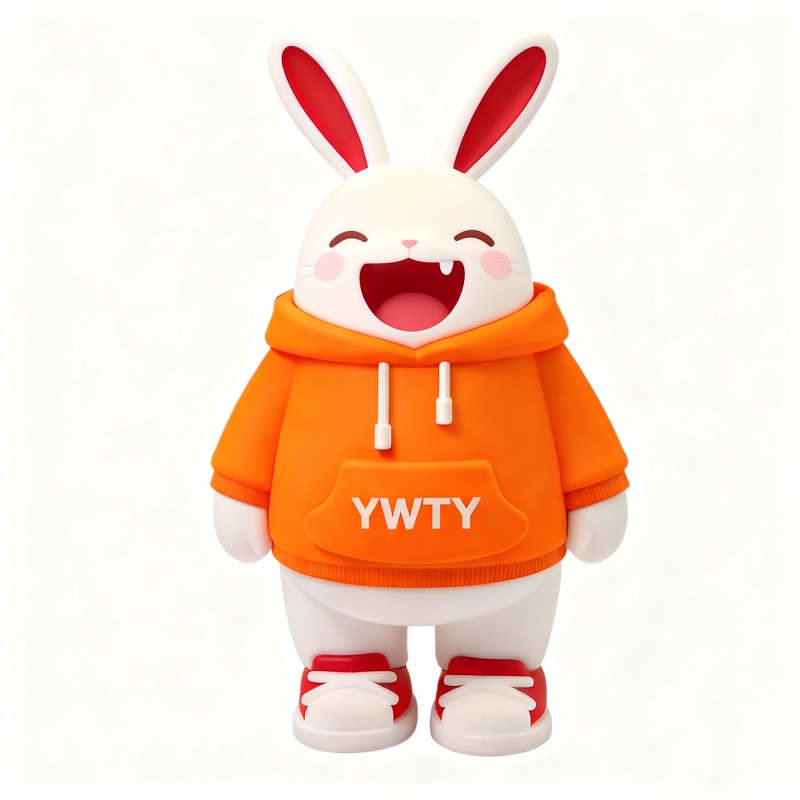
A collectible character has to feel alive before it becomes true. PVC figures do this by turning a clear expression, pose, and color story into a small object that fans can display, photograph, and recognize immediately. The useful question is how a simple design becomes a character people want to keep. Character Appeal Starts Before the Mold The strongest collectible figures usually begin with an instantly readable character idea. A rabbit with rounded cheeks, a puppy with a crown, or an anime boy with changing moods gives the viewer a reason to look twice before any technical production detail matters. The design needs an emotional hook first because production can refine a character, but it cannot rescue a weak idea. This matters because fans do not collect plastic alone. They collect a mood, a memory, a joke, a favorite character type, or a small version of a story they already enjoy. If that story is visible in the face, pose, and color palette, the figure has a better chance of  becoming more than a give away item. Silhouette and expression A figure silhouette should be special enough to recognize from the side or from a shelf. Large eyes, raised ears, crowns, props, and oversized clothing details can make a small figure easier to identify without adding fragile parts. The details should also be easily readable. Color language Color gives the figure its first emotional signal. Orange can feel lively and cheerful, green can feel fresh, and glossy highlights can make a kawaii character look more energetic in photographs and display cases. Color matching should feel planned, not random, so collectors can understand why each color exists. PVC Helps Stylized Characters Feel Durable PVC suits stylized figures because it can hold rounded forms, vivid color, and smooth surfaces without making the object too delicate. pvc anime figures often rely on these qualities when the design needs a cute appearance and approachable handling. A soft-looking form can also feel safe enough for daily display. TianYao Crafts applies this direction to soft PVC character products such as rabbit and royal puppy figurines, where custom size, colorful design, PMS color matching, paper card or gift-box packaging, and 2D or 3D effects can be adjusted to the project. Those details matter when the character line needs to look consistent across samples and mass production. Design choice Reader effect Production concern Rounded body Feels cute, soft, and easy to display Keep edges smooth and stable Large face details Makes emotion visible at small size Avoid overcrowded facial marks Color variants Encourages collecting and swapping Keep one shared character mold Production Choices Shape Fan Expectations Searchers asking how are anime figures made are usually trying to understand why the finished object can look polished or disappointing. The answer often sits in the handoff from flat art to 3D form. A strong concept needs sculpting, color planning, and sample review before it feels ready for customers. A custom pvc figure needs sculpting choices that keep the original personality design. Cute characters may need exaggerated heads, simplified hands, and clear accessories, while mascot figures may need stronger brand logo colors and a pose that works from different viewing sides. The designer should decide which details carry identity and which details can be simplified. From 2D art to 3D presence Flat artwork can hide proportion issues that become obvious in a figure. The pose has to stand or sit firmly, the face must remain visible from common display angles, and small props should not make the figure unstable. This is why a character can look excellent on screen but still need adjustment before molding. Finish and packaging cues Finish and packaging change how collectible the figure feels before it is handled. Plain OPP packaging can work for simple giveaways, while backing cards, blister packaging, or gift boxes can make a character feel more complete as fan merchandise. Packaging also helps a series look organized when several variants are released together. Collectibility Depends on Unity A single figure can be charming, but a collectible line needs consistency. PVC figures,  keychains, and small desk characters feel stronger when size, finish, eye style, and packaging logic stay related across designs. Consistency tells fans that each piece belongs to the same world. Good pvc figure design also leaves space for future variants. A puppy can change outfit colors, a rabbit can shift expression, and an anime mood character can become a set without forcing every new piece to start from zero. PVC plastic figure projects benefit from this repeatable logic because fans like recognizable worlds. They want each new piece to feel fresh, but they also want it to belong to the same shelf, bag, or display story. That balance is what turns a small product into a character series. Practical Solutions for Character Merchandise When the clarity, material texture, production details, and series logic of a character are in harmony, a PVC figure possesses collectible value. Design should first answer an emotional question: what should fans be able to recognize and feel within the first second? Afterwards, materials, surface finishes, packaging, and style planning can support this answer. For character merchandise teams, TianYao Crafts is very useful when needing custom sizes, 2D or 3D effects, PMS color schemes, practical packaging options, and ensuring production consistency for related collectibles. The most important next step is to simplify the character design while ensuring that its expression and silhouette remain clearly recognizable at the final display size. FAQ Why are PVC figures popular for anime collectibles? PVC figures are popular because they can present vivid colors, rounded shapes, and lively details in a compact and durable form, making them perfect for display on bookshelves, desks, bags, and for fan merchandise. How are anime figures made from flat artwork? The 2D artwork is transformed into a sculptural form, and after checks on posture, expression, color, and stability, it is produced according to the selected materials, surface finish, and packaging. The best effect lies in preserving the creative concept of the original work rather than replicating every two-dimensional detail. What makes a PVC character feel collectible? A collectible PVC character usually has a clear expression, memorable silhouette, consistent color story, and enough variation potential for future releases. Packaging can also strengthen the sense of a finished collectible. Can PVC figures be customized in size and color? PVC figures can be customized in size and color when the design, mold, and production method support those changes. PMS color matching helps keep character colors consistent across batches. What should be simplified in a small PVC figure? Tiny lettering, fragile props, and low-contrast facial details should usually be simplified. The important expression, pose, and colorful logo need to remain visible from normal display distance.

How to Design Eye-Catching Custom Lanyards That Boost Your Brand Impact

27
August
A generic lanyard is just a strap. A well-designed custom lanyard is a portable, walking brand billboard. Perfect for events, corporate offices, schools, and brand promotions, a standout lanyard balances instant brand recognition, comfortable all-day wear, and scenario-specific practicality. Here’s how to craft custom lanyards that leave a lasting impression, not just blend in. Design With a Clear Scenario & Purpose The biggest mistake in lanyard design is prioritizing aesthetics over actual usage. A lanyard for staff credentials, event guests, student access cards, or promotional giveaways serves completely different functions — and your design should match. For corporate & staff use: Prioritize high contrast, neat layout, and repeated subtle logos for quick identity recognition. For events & promotions: Adopt vibrant, themed color schemes to boost on-site atmosphere and photo visibility, turning every lanyard into a mobile brand display. Before designing, confirm your core goal: role identification, brand promotion, or thematic matching. Every design detail should serve this core purpose. Color First: Grab Attention at a Glance Color is the first visual element people notice — it defines your lanyard’s tone and brand vibe instantly. Never treat color as an afterthought to logo placement. High-contrast color combinations ensure logos and text stay readable even when the lanyard twists or moves. For a premium, low-key look, opt for coordinated soft tone pairs. For lively event scenarios, bold bright colors work best, but stick to a strict color hierarchy: 1 main color + 1 auxiliary color + 1 neutral blank area. Too many colors on a narrow strap cause visual clutter and blur your brand focus. A simple trick to test your color scheme: Stand 3-5 meters away. If your brand logo and theme are unrecognizable at a glance, simplify your palette immediately. You don’t need to use all brand colors to deliver a professional branded look. Artwork Optimization: Fit the Lanyard’s Unique Shape & Movement Unlike flat posters, lanyards are narrow, curved, flexible, and constantly in motion. Tiny fonts, ultra-thin lines, and dense icons will distort or become invisible after daily twisting and folding. Excellent lanyard design always adapts to this dynamic feature. Design Solution Best Application Scenarios Key Precautions Professional Tips Repeated large logos Corporate staff ID lanyards Overly large logos are easy to fold and block Reserve uniform spacing for repeated printing Full-color printing patterns Event & promotional lanyards Excess tiny details are prone to blurring Choose heat transfer printing for high reduction Jacquard woven patterns High-end customized premium lanyards Not suitable for photo-level delicate patterns Adopt bold and simple outline designs Color-separated strap design On-site role & area classification Similar tones cause identification confusion Use strong color contrast for clear distinction Material & Printing Process: Define Your Lanyard’s Grade Artwork determines the lanyard’s look, while materials and printing processes determine its texture, durability, and overall grade. Different scenarios require targeted matching solutions. Material selection: Polyester features stable color rendering and smooth printing effect, cost-effective for mass orders; nylon delivers soft touch and glossy texture for a premium feel; hollow woven webbing is thick and round, greatly improving wearing comfort for wide lanyards. Printing process selection: Screen printing is ideal for simple logos and single-color designs with low cost; heat transfer printing perfectly restores full-color patterns and gradient effects, perfect for themed event lanyards; jacquard weaving integrates patterns into the webbing, with outstanding durability and three-dimensional texture for high-end customized products. There is no universal “best process” — only the most suitable one for your brand style and usage scenario. All-Day Comfort = Sustained Brand Exposure A good-looking lanyard is useless if it’s uncomfortable to wear. Only when users are willing to wear it all day can your brand achieve continuous exposure. Strap width, thickness, edge workmanship, and accessory weight all affect wearing experience. Common widths (15mm/20mm/25mm) balance aesthetics and comfort differently: 15mm narrow straps are lightweight for daily wear but limit printing space; 20-25mm wide straps display logos more clearly, paired with soft materials and smooth edges for zero burden wear. Key wearable details you can’t ignore: ✅ Equip safety breakaway buckle for school, office and event scenarios to avoid snagging risks ✅ Match hooks and clips according to hanging items (ID cards, keys, reels) ✅ Avoid accessories blocking core logo and brand information ✅ Polished soft edges for long-time neck wear Final Proof Test: Fit Real Usage Scenarios Never confirm production based only on flat digital previews. Real wearing scenarios are dynamic — you need to verify the design in three real states: flat placement, worn with a badge, and distant viewing. Fold the lanyard, simulate daily twisting and wearing, and check whether the logo is always readable and the color tone is consistent. Properly simplifying redundant slogans, enlarging core color blocks, and adjusting logo spacing will make the final design more refined and professional. Final Conclusion A standout custom lanyard is not designed by random aesthetics, but by targeted matching of scenario, color, artwork, material and comfort. Every detail serves brand recognition and user experience. At TIANYAO CRAFTS, we provide one-stop custom lanyard solutions covering heat transfer, jacquard weaving, hollow weaving and nylon materials. We tailor exclusive designs for corporate, school, event and promotional scenarios, helping every client create high-value lanyards that boost brand influence. FAQ Q1: What makes a custom lanyard look professional? A professional lanyard features high color contrast, reasonable logo spacing, and scenario-matched materials. It maintains clear brand display in actual wearing scenarios, not just perfect flat preview effects. Q2: Is heat transfer printing suitable for colorful custom lanyards? Absolutely. Heat transfer printing supports full-color patterns and gradient effects with higher detail reduction than traditional screen printing, ideal for richly styled event and promotional lanyards (ensure tiny text is clear and recognizable). Q3: When to choose jacquard weaving for lanyards? Jacquard weaving is the top choice for high-end customized lanyards. It integrates patterns into the webbing for a textured, durable, and upscale look, perfect for bold logos and simple patterns (not suitable for delicate photo patterns). Q4: What is the best lanyard width for logo display? 20mm and 25mm widths are the most practical choices. They reserve enough space for complete logo display while ensuring wearing comfort. The specific width can be adjusted according to logo complexity, badge size and usage distance. Q5: Can staff and guest lanyards use the same design system? Yes. You can adopt a unified brand visual system and set obvious differences through colors, text or local patterns. It ensures a consistent brand image while realizing quick on-site personnel identification.

Hinterlassen Sie uns eine Nachricht


    Produkte
    Kontakte
    WhatsApp
    E-Mail