

From Concept to Keepsake: A Professional Guide to Creating Premium Custom Lapel Pins for Your Brand
-
著者
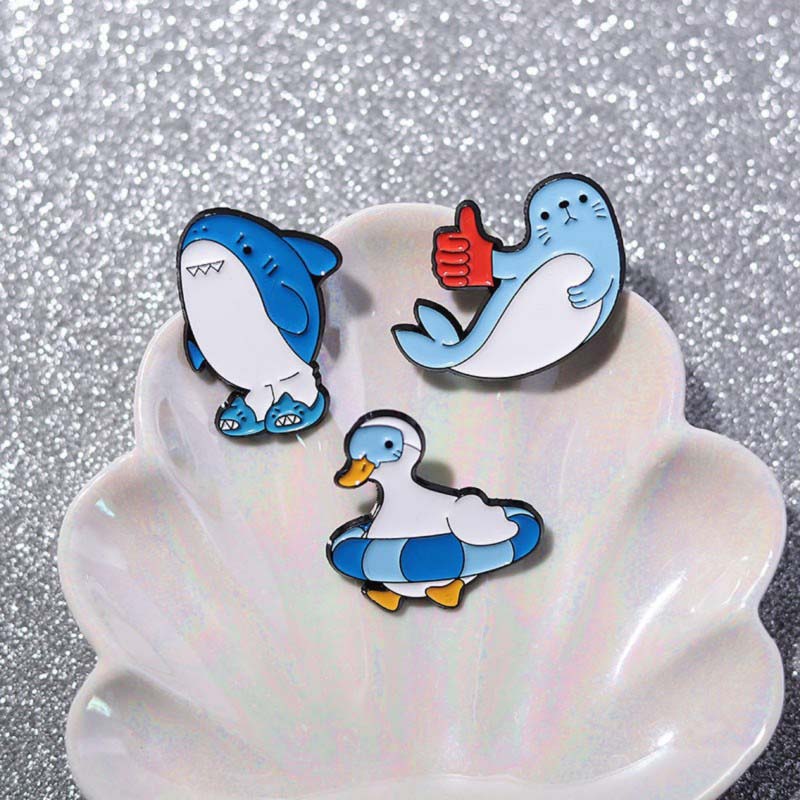
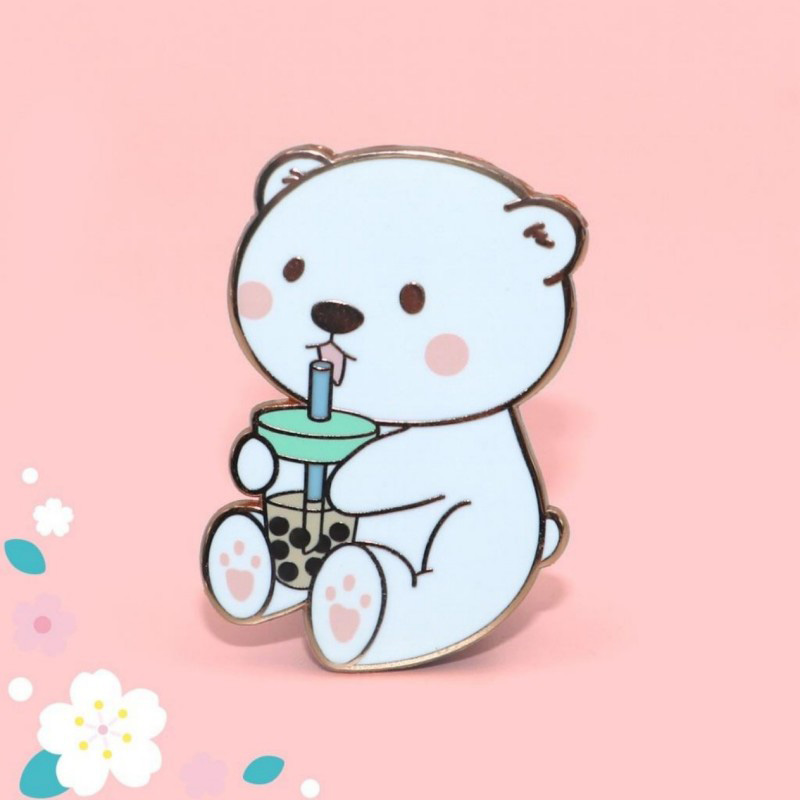
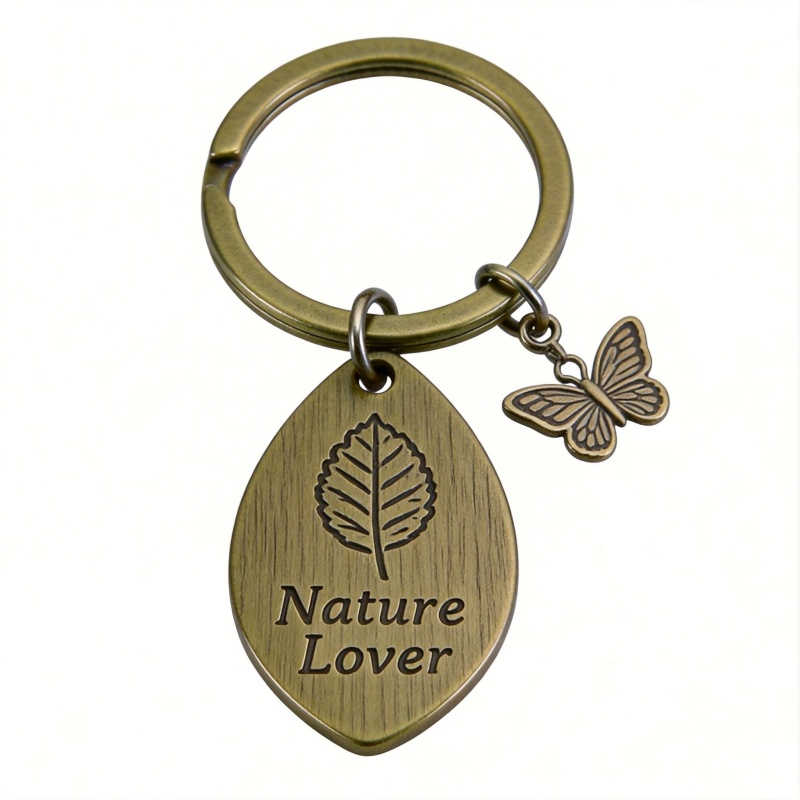
A premium lapel pin begins with more than an attractive logo. Its material, metalwork, enamel process, attachment, and quality control must work together to represent the brand accurately. At TianYao Crafts, we develop custom lapel pins from the first artwork file through final inspection, helping businesses turn a small promotional item into a durable brand keepsake.
Start With the Brand Story and Artwork
The artwork determines the production method, so we begin by reviewing the design before discussing quantity or price. A clear vector file should identify the outline, color areas, lettering, plating finish, size, and attachment position. Details that look clear on a screen may become too small after reduction, particularly thin lines, narrow gaps, and small text.
Our design team can help adjust artwork for metal production while preserving the original visual identity. We check whether the design requires raised metal borders, recessed enamel areas, printed details, or three-dimensional relief. For example, a logo with strong color separation is usually suitable for enamel filling, while a detailed illustration with gradients may require UV printing or a combination of printing and epoxy protection.
Choose the Right Lapel Pin Construction
Most custom lapel pins are produced from copper, iron, bronze, aluminum, stainless steel, or zinc alloy. The correct material depends on the design, budget, weight, surface requirement, and expected use.
Copper is often selected for premium enamel work because it forms clean metal lines and supports a refined finish. Iron offers a cost-efficient solution for larger quantities, although its surface generally requires careful polishing and plating to achieve a smooth result. Zinc alloy is suitable for die-cast shapes and dimensional designs because it can reproduce curved surfaces and sculpted relief.
Stamped lapel pins are formed by pressing a metal sheet with a custom die. This method works well for flat or moderately raised designs with defined outlines. Die-cast construction is more appropriate when the design contains deep relief, rounded contours, or a complex three-dimensional shape. Laser cutting or hydraulic cutting can then refine the outer profile and remove unnecessary metal.
The design should be matched to the construction method rather than forced into one process. This decision influences the sharpness of the details, the thickness of the lapel pin, the final weight, and the unit cost.
Soft Enamel, Hard Enamel, and Imitation Hard Enamel
The enamel process affects both the appearance and the perceived value of a lapel pin.
| lapel pin finish | Surface appearance | Production characteristics | Suitable applications |
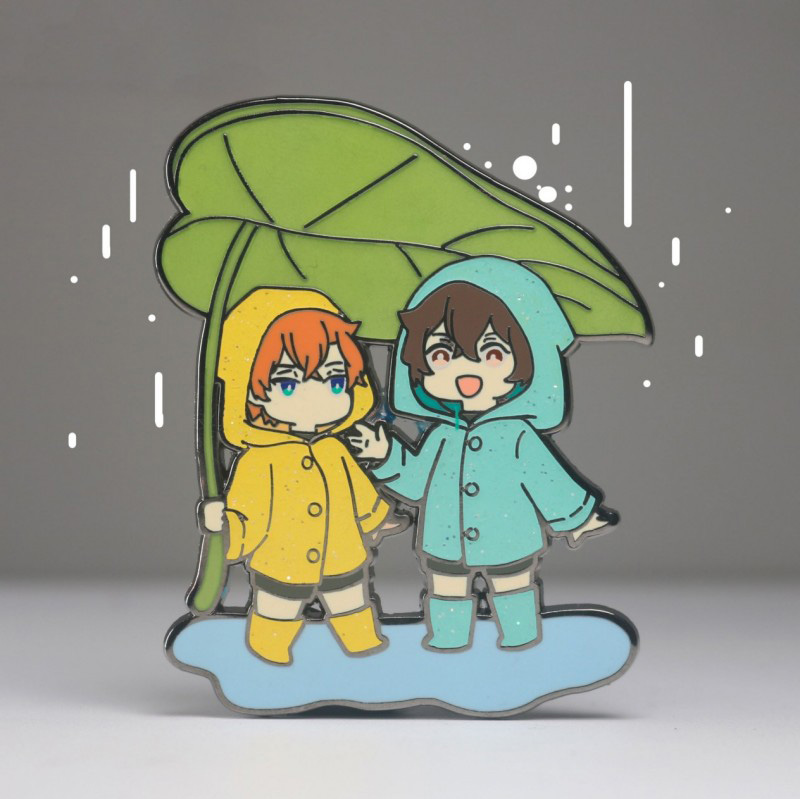
| Soft enamel | Textured, recessed color with raised metal lines | Strong color separation and efficient production | Events, promotions, clubs, retail merchandise |
| Hard Enamel | Smooth, level, polished surface | Multiple filling, firing, and polishing stages | Premium gifts, commemorative lapel pins, corporate branding |
| Imitation hard enamel | Smooth surface with a hard-enamel-like look | Flexible colors, lower cost, shorter production cycle | Promotional collections and medium-budget projects |
| UV printing or printed metal | Flat printed artwork, including gradients | Suitable for details without metal boundaries | Illustrations, photographic elements, fine color transitions |
Pantone color matching can be used for common enamel processes. However, the appearance of a color can vary slightly depending on the metal base, plating, enamel depth, and lighting. We therefore recommend approving a physical sample when color accuracy is critical.
Turn Approved Artwork Into a Production-Ready Mold
Once the proof is approved, we convert the artwork into a mold specification. The mold defines the raised lines, recessed cavities, edges, relief depth, hole positions, and attachment structure. At this stage, line thickness and spacing are reviewed again because the mold must support reliable stamping or casting.
For dimensional products, die casting can create sculpted surfaces that a flat stamped mold cannot reproduce. For flat, highly detailed artwork, photo-etching or printing may be more appropriate. Each method has a practical limit, so our production review focuses on what can be reproduced clearly and repeatedly rather than simply accepting the digital file as submitted.
Color Filling, Baking, Polishing, and Plating
After stamping or casting, each lapel pin goes through finishing operations. First, polishing and deburring take place. This step clears away rough edges. It also removes extra material before the plating phase begins. After that, the metal gets a specific coating. We can apply gold, nickel, copper, or bronze. You can also pick an antique, satin, or another custom look.
Soft enamel is applied into recessed color areas, while the raised metal borders remain visible. Hard enamel requires careful filling and curing, followed by surface polishing to create its level finish. When an epoxy coating is added to soft enamel or printed surfaces, it can provide an additional protective layer and a different visual effect.
Attachments, Packaging, and Quality Control
The attachment should match how the lapel pin will be worn. Common options include rubber clutches, butterfly clutches, deluxe clutches, magnetic backs, safety lapel pins, and locking attachments. A heavier zinc alloy lapel pin may require a stronger backing than a lightweight aluminum or photo-etched design.
Our quality checks cover dimensions, plating, color placement, surface scratches, edge sharpness, attachment strength, and packaging accuracy. Samples are generally completed within 3 to 8 days, while bulk production commonly takes 7 to 15 days depending on the item and project requirements. Sea, air, and express shipping can be arranged according to the required delivery schedule.
How a Custom Enamel Lapel Manufacturer Supports Brand Consistency
A reliable custom enamel lapel manufacturer should contribute technical control as well as production capacity. At TianYao Crafts, we support OEM and ODM projects, artwork preparation, sample development, production inspection, and delivery coordination. Our manufacturing background includes more than 40 years of metal craft experience, supported by five production bases, more than 70,000 square meters of manufacturing space, sales offices, and logistics centers.
Our own plating production line helps us coordinate surface finishing more closely with the rest of the production process. We have also invested in pollution-treatment systems and maintain SEDEX 4-Pillar membership.
For repeat programs, we can retain molds for up to three years according to project arrangements. This helps brands reorder the same design with greater consistency and may reduce the need for new tooling. Low-MOQ support and sample review are also useful for businesses testing a new product line before committing to a larger run.
よくある質問
Which material is best for premium personalized enamel lapel pins?
Copper is commonly selected for premium personalized enamel lapel pins because it supports clean metal lines, accurate enamel filling, and refined plating. Zinc alloy is useful for three-dimensional designs, while iron can be a practical choice for cost-sensitive larger orders.
Can small text and detailed artwork be reproduced clearly?
Yes, but the design must be adjusted to the final lapel pin size. Extremely thin lines, narrow gaps, and very small text may not reproduce reliably. We review artwork before tooling and may recommend simplified lettering, a larger lapel pin size, printing, or photo-etching.
How long does custom enamel lapel pin production take?
Samples generally take 7 to 10 days. Bulk production commonly takes 18 to 23 days after sample approval, although the actual schedule depends on the construction method, quantity, finish, packaging, and shipping method.
Can we reorder the same design without paying another mold fee?
A repeat order may use the existing mold when it remains suitable and is retained under the project’s storage arrangement. TianYao Crafts can keep molds for up to three years according to the applicable order terms. Confirming the mold status before reordering is recommended.
著者 


メッセージを残してください