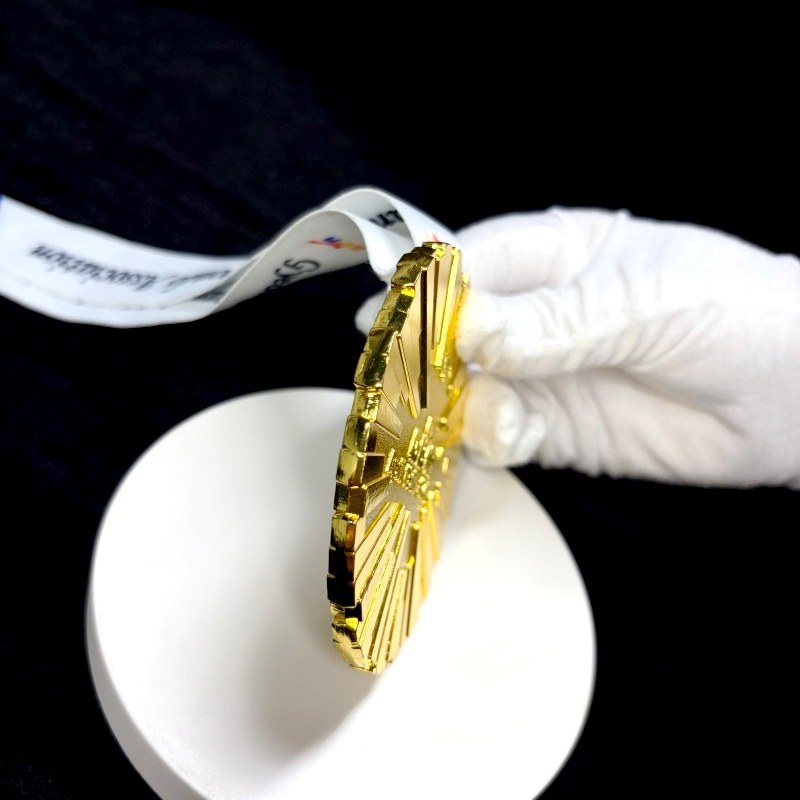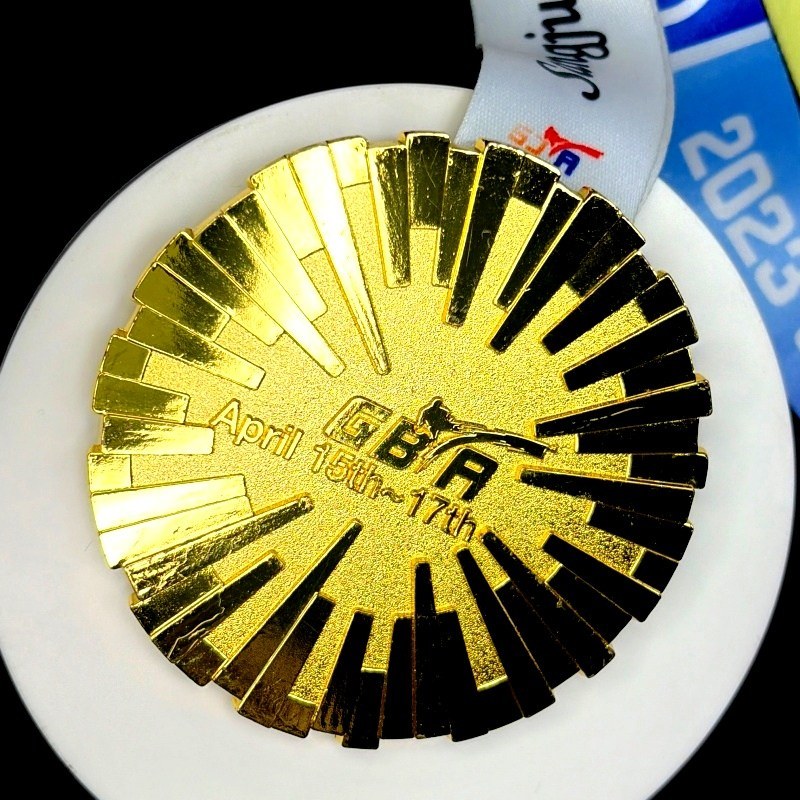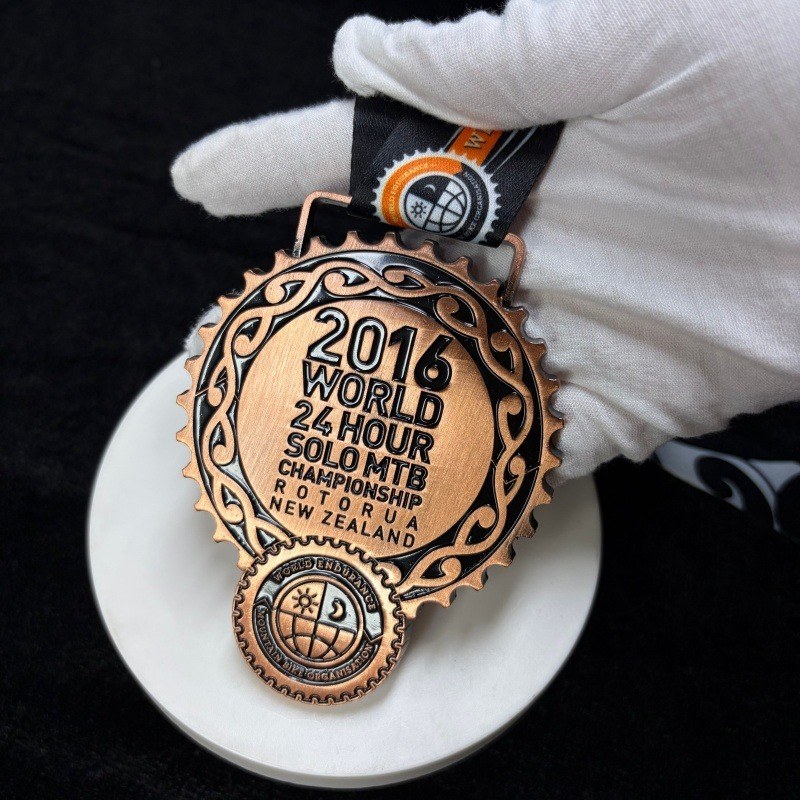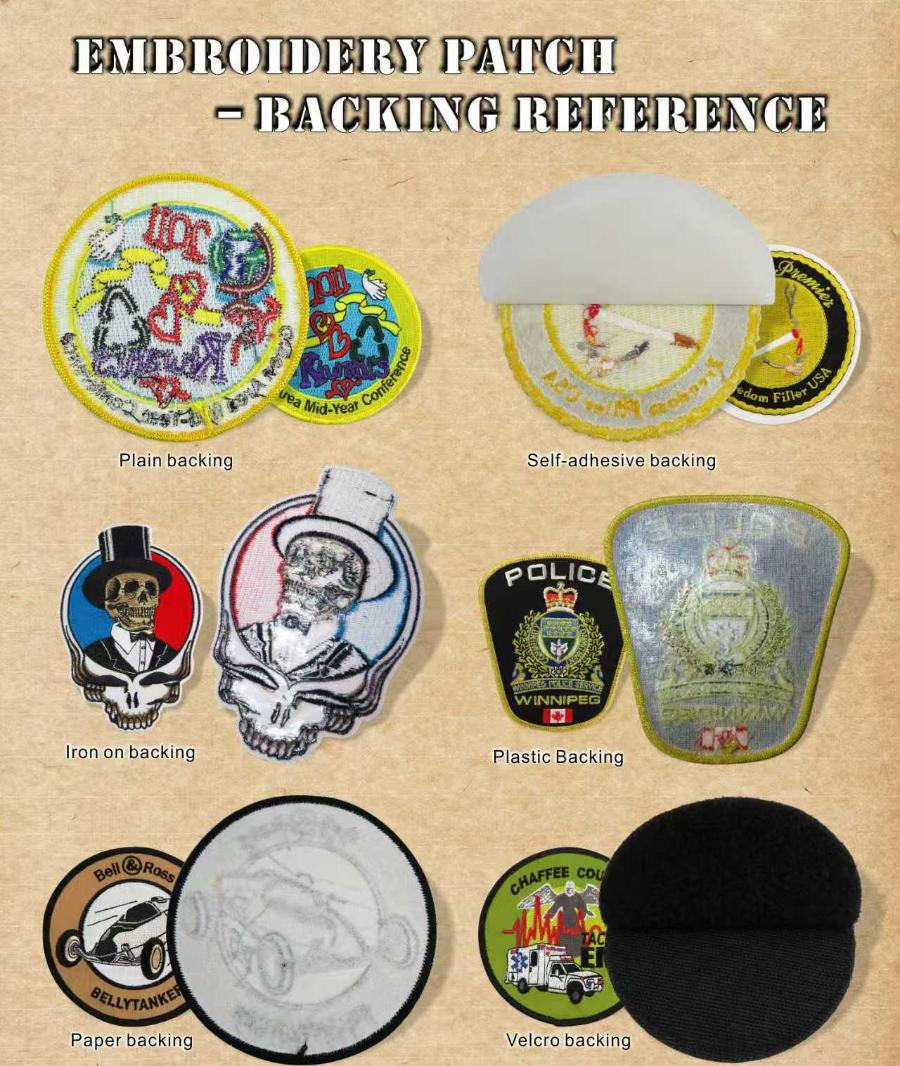




















Custom Metal Crafts Quality Control: Full QC Process From Design to Shipment
You can polish a custom metal piece until the surface shines perfectly. But one tiny scratch, an enamel pin clutch offset by a millimetre, or a whole batch with inconsistent plating colour can ruin an entire shipment before it even reaches your customer.
Wholesalers, event organisers, promotional product buyers and brand owners all run into this headache. Brand teams sign off on designs, yet they end up taking the blame when finished items do not match the approved sample. What sourcing clients really need is reliable, repeatable inspection standards for every order — consistent shape, uniform surface finish, matched colour and secure attachments, batch after batch.
What Quality Control Checks Should Cover Before Shipment
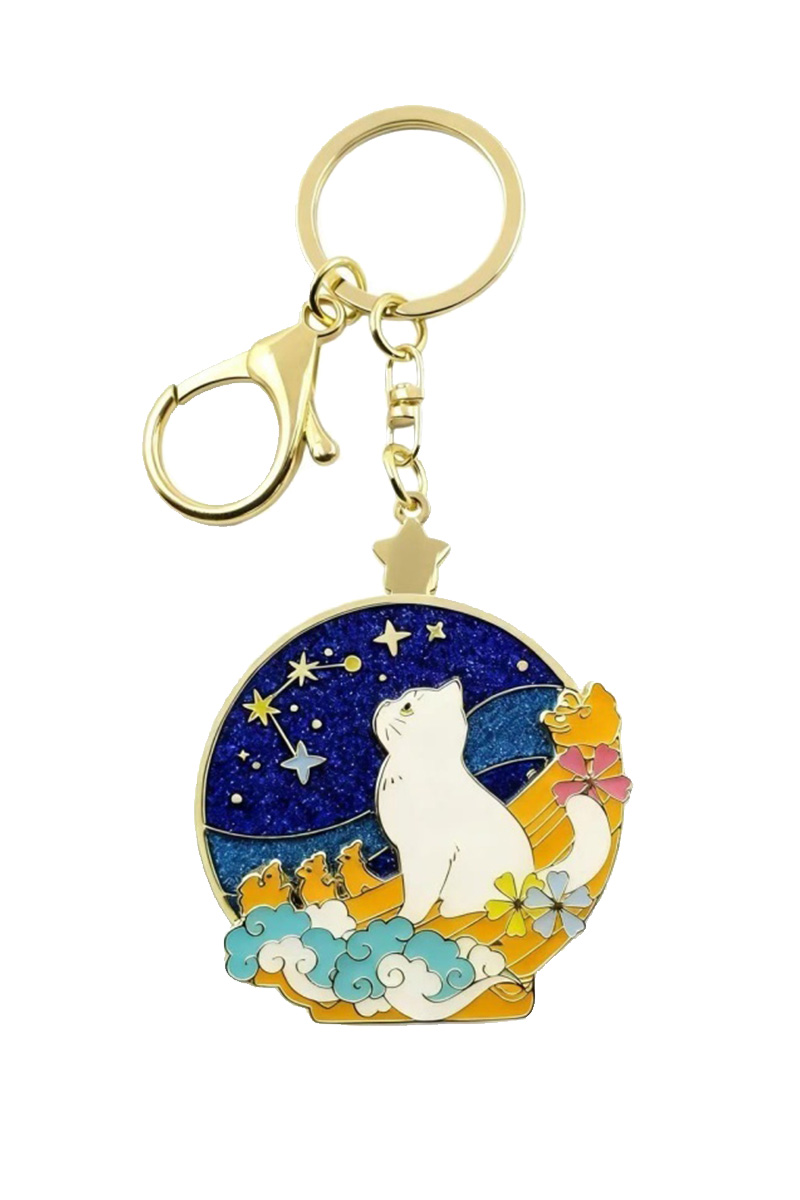
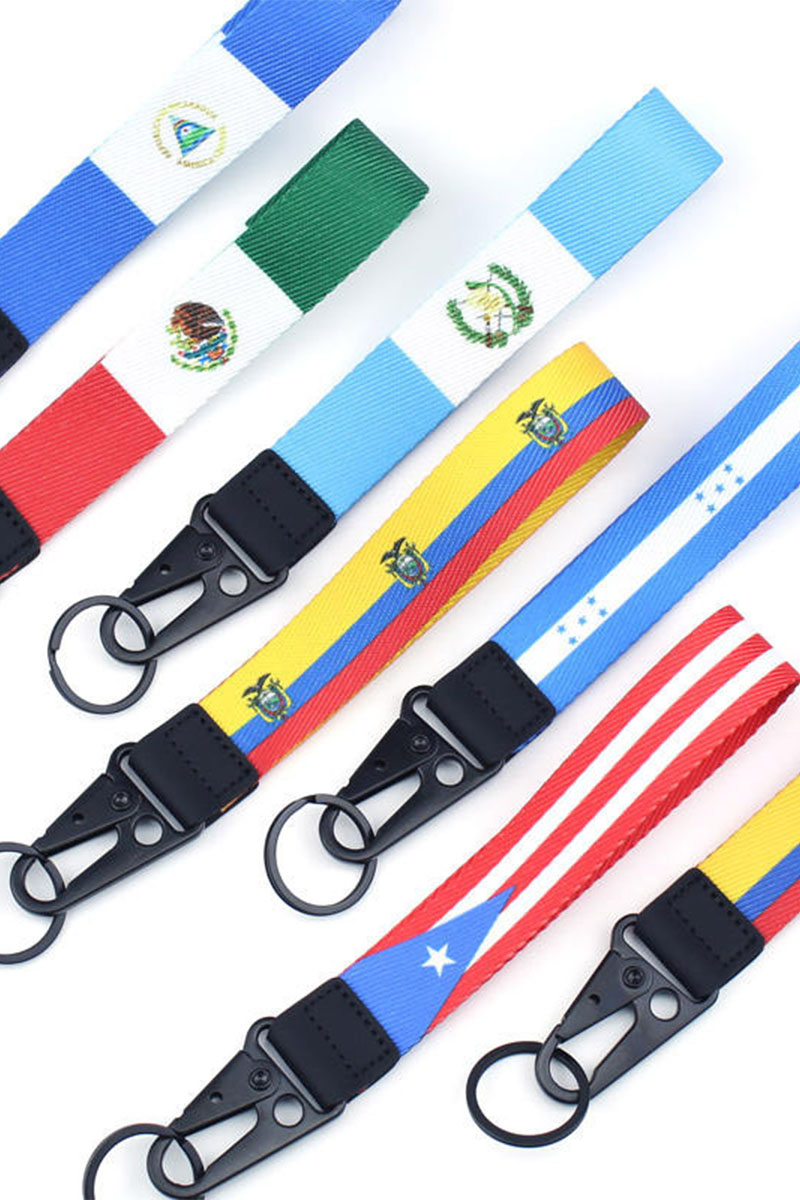
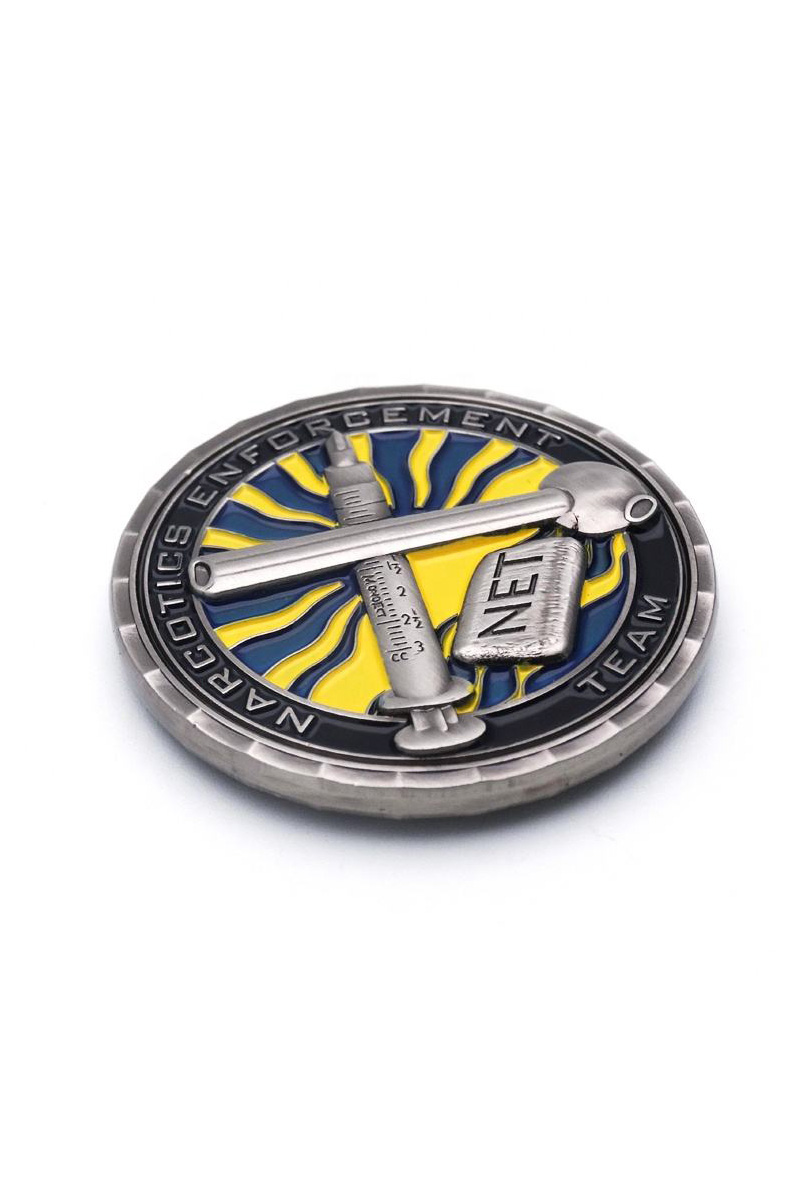
Many custom metal gift factories make one costly mistake: they only run a quick visual check after all products are finished, then approve and ship. This approach leaves too much risk. Custom metal crafts including badges, medals, enamel pins and keychains go through many linked production phases: artwork confirmation, mould tooling, stamping / die casting, cutting, polishing, plating, enamel colour filling, baking, fitting attachments and final packing. Defects can sneak in at any single stage.
That is why inspection has to follow the product along the production line. Fixed QC criteria applied consistently to every batch, instead of casual subjective judgement, is the only reliable way to keep product quality stable and maintain good buyer feedback.
Check our custom metal gift range here: https://www.ty-gifts.com/
Artwork & Sample Tooling: Lock Your Approved Reference
Your golden sample and confirmed artwork form the baseline for all later QC work. This approved reference defines the outline, embossed relief depth, engraved lettering, colour partition zones, hole positions and clutch / attachment placement. Without this fixed benchmark, production teams only guess at the expected outcome.
At Tianyao Crafts, our team finalises artwork and produces pre-production samples for your formal sign-off before mass production starts. Catching design drift, relief errors or colour misunderstanding at this sampling stage prevents costly disputes over finished bulk goods. Approved samples also make repeat reorders much easier to match visually.
Forming & Edge Inspection: Protect Product Shape & Readability
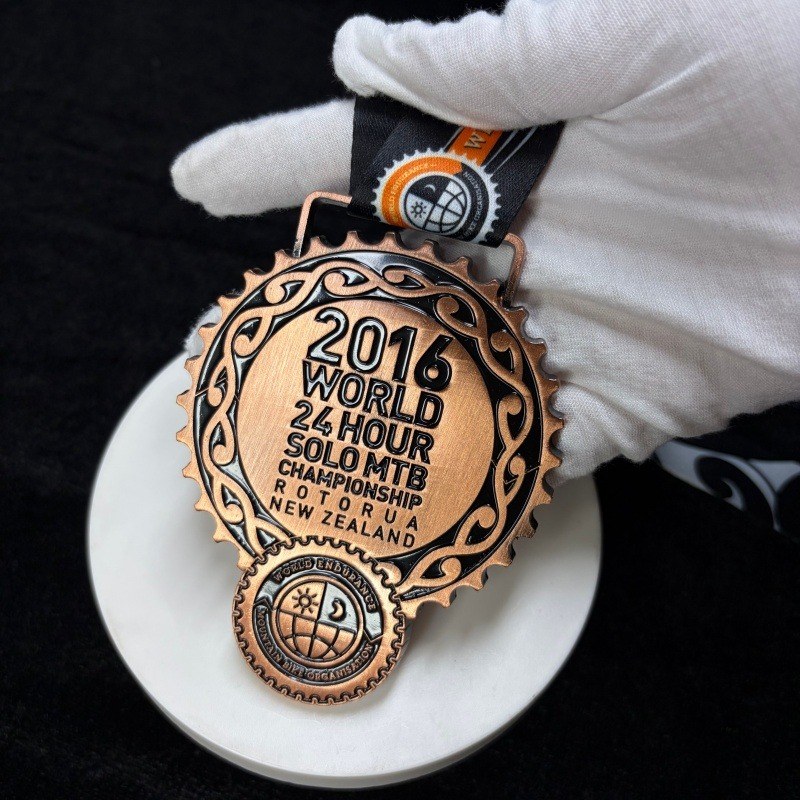
Stamping, die casting and laser cutting decide the overall look of custom metal crafts. Whether we stamp, press or cast the metal blank, the outer silhouette must stay true to the sample, and raised relief details should stay clear from a normal viewing distance.
Laser cut or hydraulic die cut edges need extra attention: no uneven wavy outlines, no dimensional shifting. Our QC inspectors compare each piece side‑by‑side with the approved golden sample, check that fine engraved text does not get blocked by excess metal, and run fingers along the perimeter to feel for hidden burrs. Burr-free, smooth edges are non-negotiable for safe, premium custom badges and medals.
Surface finish changes how defects appear
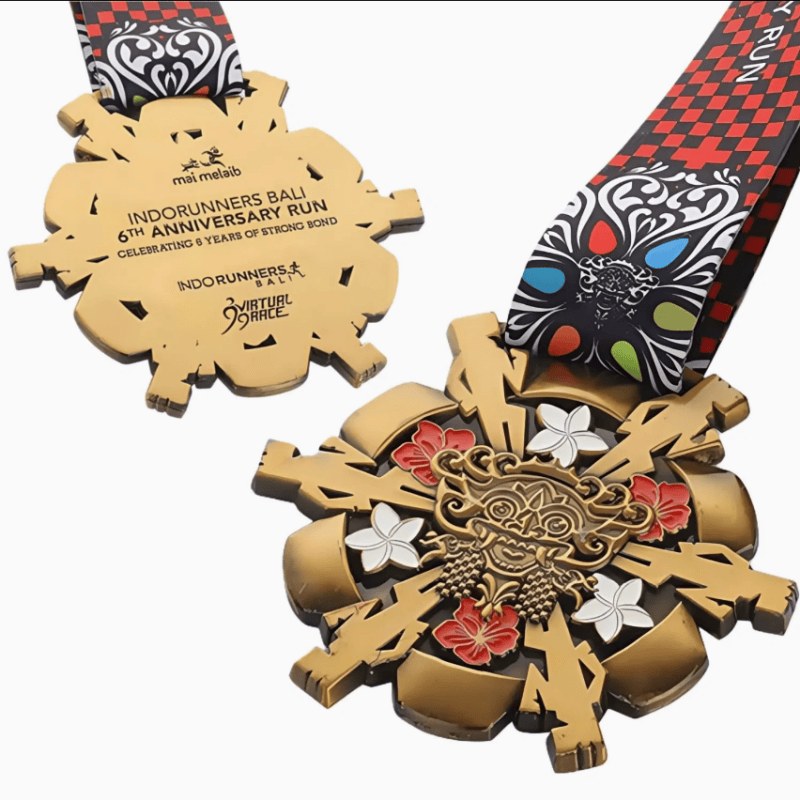
Surface treatment is where the piece goes from a raw part to something you’d hand to a client. But it also creates new failure modes. Polishing? Good — it kills burrs and evens out the texture. Plating is the layer that comes next on top. It can be gold or nickel or copper or bronze or antique or satin whatever the customer wanted. Every one looks different, in the light. Every one has its own way of getting messed up.
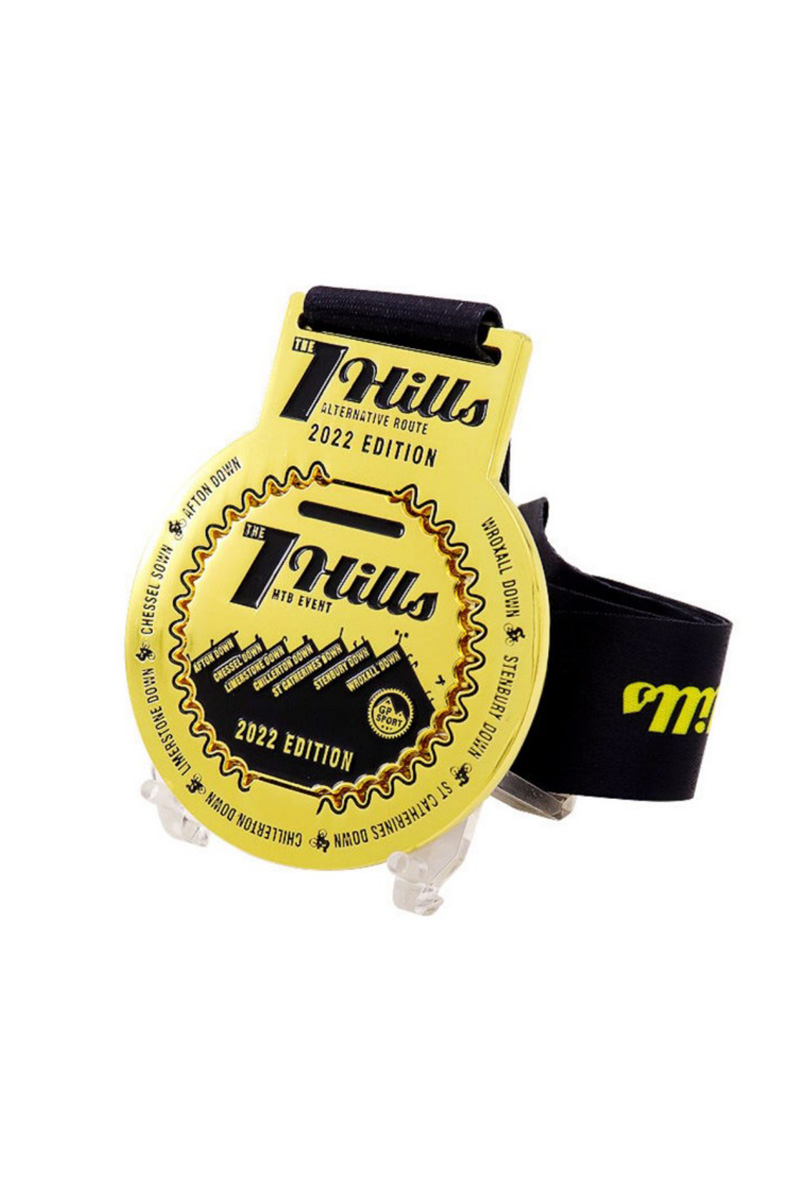
After plating, you colour and bake. That locks the visual in. Now here’s the thing nobody tells you on the factory floor: a bright highlight under a shop lamp looks exactly like a scratch until you move the piece around. So you look at the whole surface, under even light, several pieces side by side. That’s how a custom medal quality review should actually happen, not one piece under one lamp.
Three things a decent finish review actually catches:
whether the plating and colour reach right to the edges, into the recesses, and over the top of the relief
whether piece 1, piece 50 and piece 200 in the same batch look the same colour
whether there’s a clean line where the plated border meets the coloured area, or a fuzzy mess
A practical inspection matrix for custom metal crafts
| Stage | What to check | Why it matters |
|---|---|---|
| Artwork / sample | Shape, text, relief, colour map | Locks in the approved visual reference |
| Forming / cutting | Outline, depth, holes, burrs | Catches distorted or unsafe pieces early |
| Polishing / plating | Surface, edge coverage, finish | Protects the look and the hand feel |
| Colouring / baking | Fill, borders, cure, consistency | Tightens variation across the batch |
| Attachment / packing | Pins, clips, bags, protection | Keeps the product in good shape on arrival |
Final assembly and packing are part of quality control
The face looks great. Fine. But the piece isn’t done. The attachment has to sit firm, dead center, exactly where the design says it goes. The packaging has to keep the plated surfaces from grinding into each other in transit. Poly bags, OPP bags, bubble bags, gift boxes, or custom packaging — whatever fits the item and the channel it’s heading into. The packaging is part of the quality, not an afterthought.
Pull the item out of its packaging. Look at it the way a customer would, the second they open the box. That last look is where problems hide: scuffed plating on the back, a loose attachment, mismatched colors, or packaging so tight it’s crushing the finish you spent hours getting right.
Here’s the unglamorous secret: you write it down. The approved finish. The color range you will accept (not just “gold”, but “gold, matte, 10% tolerance”). Where the attachment sits. How it is packed. You put all of that next to the artwork reference in plain English. Photos of the approved sample are helpful if you need to do a re‑run. A photo does not replace holding the actual piece in your hand. That written record is what keeps the design team, the production team, and the packing crew on the same page. It prevents confusion when one order ends up having four shapes and three different finishes.
See our medal page: https://www.ty-gifts.com/medal/

How Tianyao Crafts supports repeatable inspection
One accountable workflow: from artwork to shipment. No unclear hand‑offs where no one owns the inspection. This is how Tianyao Crafts operates: design confirmation, metal forming, surface finishing, attachment assembly, QC, and packing — all within a single process. One team, one continuous thread.
We run our own plating line. We have invested substantially in on‑site pollution treatment. When an order requires outsourced components, we conduct factory assessments and pre‑shipment QC to mitigate risks.
The practical takeaway
Here is the process summed up briefly. Approve a physical reference sample. Verify shape and surface finish at the fabrication stage. Confirm attachments and packaging. Document all acceptance criteria. Apply this identical inspection routine to every re‑order. That is the core of it. We do not chase an unrealistic zero‑defect promise. Instead, we maintain a reliable, repeatable process to ensure the metal craft matches the client’s approved sample.
If you would like a project‑specific review, our team can walk through the artwork, finish specification, attachments, packaging and the critical inspection points relevant to your application. We are happy to arrange this.
FAQ
What is the first quality check for custom metal crafts?
The approved artwork and physical sample. These two come before everything else. They define the outline, relief depth, lettering, colour zones, and the exact position of attachments. All subsequent inspections are measured against this pair of references.
Which defects are easiest to miss on a plated item?
They hide within glare. Uneven edge coverage, tiny leftover burrs (as small as half a millimetre), relief that is slightly too shallow, and inconsistent colour shade across units. Under workshop lighting, bright reflections look identical to scratches. The solution is straightforward: use even, steady lighting, place three to four pieces side‑by‑side, and compare them before making any acceptance decision.
Can a complex 3D design be checked before mass production?
Yes, absolutely. A pre‑production sample or mock‑up serves exactly this purpose. You confirm the silhouette, relief and all key details. This gives you a solid physical reference if adjustments are needed — far better than debating only from screenshots.
How should metal crafts be packed for shipment?
Packaging has two core functions: prevent surface abrasion and protect attachments during transit. Options include poly bags, OPP bags, bubble bags, gift boxes and custom packaging. Select the solution suited to your product and sales channel. There is no universal standard; only the right solution for each individual order.
What information helps a factory plan inspection?
Please provide the approved artwork, target dimensions, finish specifications, colour references (Pantone codes or physical swatches — not simply “gold”), attachment type, packaging requirements, and all acceptance criteria that must be satisfied prior to shipment. The more precise your brief, the fewer revisions and follow‑ups we will have later.