



Garment Accessories

Includes items like custom buckles, zipper pulls, and buttons to enhance brand apparel.
CONTACT US
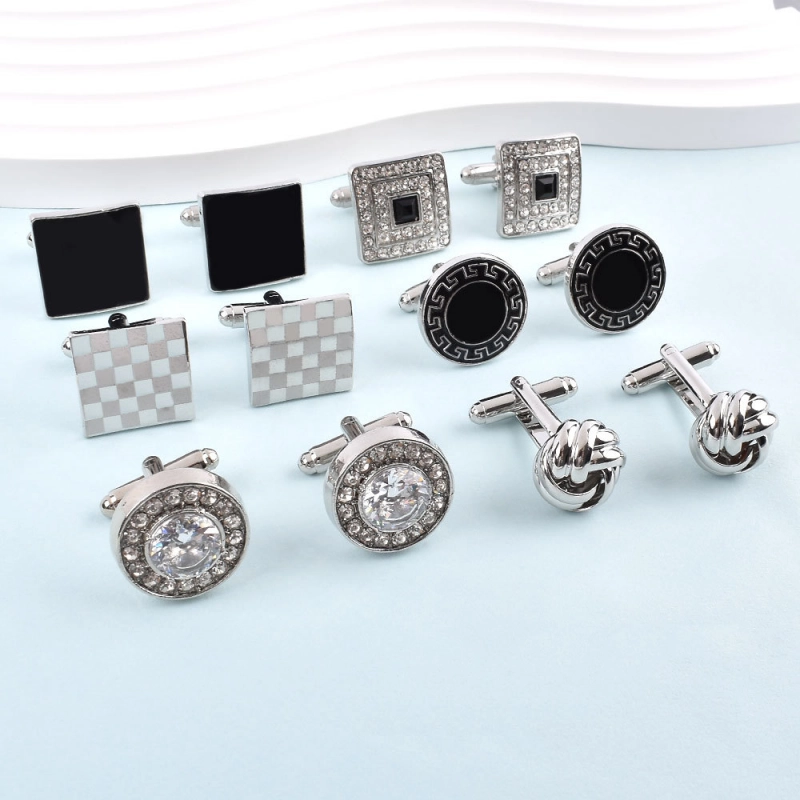
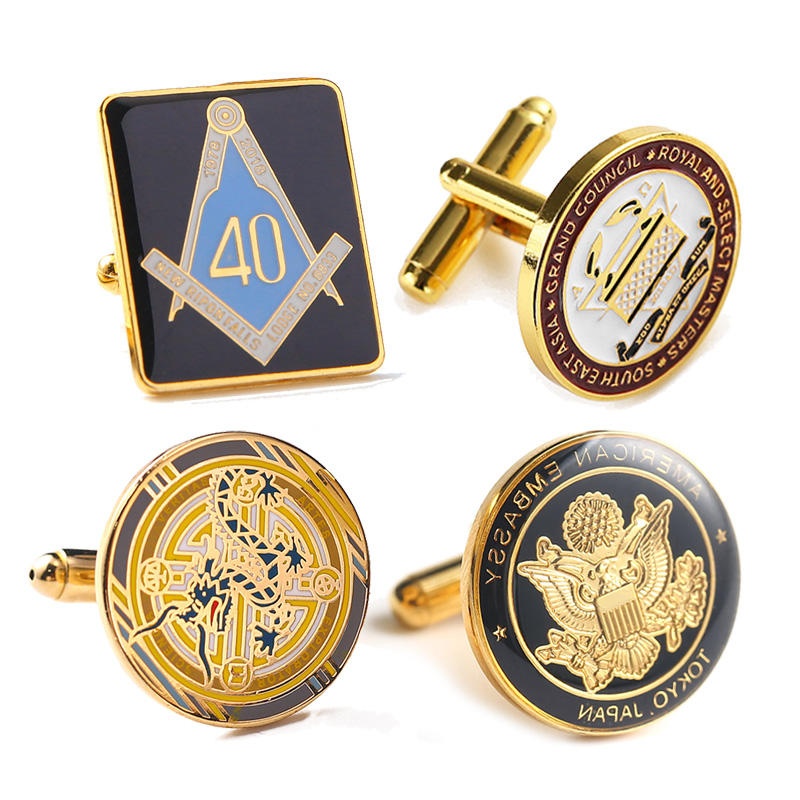
Custom Gold Plated Cufflinks
These versatile cufflinks blend everyday practicality with lasting elegance. Crafted from scratch-resistant alloy, they feature a reliable toggle-back design for easy wear and removal. Choose from a range of classic styles, or add custom logos and emblems to create one-of-a-kind pieces perfect for formal events, corporate gifting, and everyday professional use.
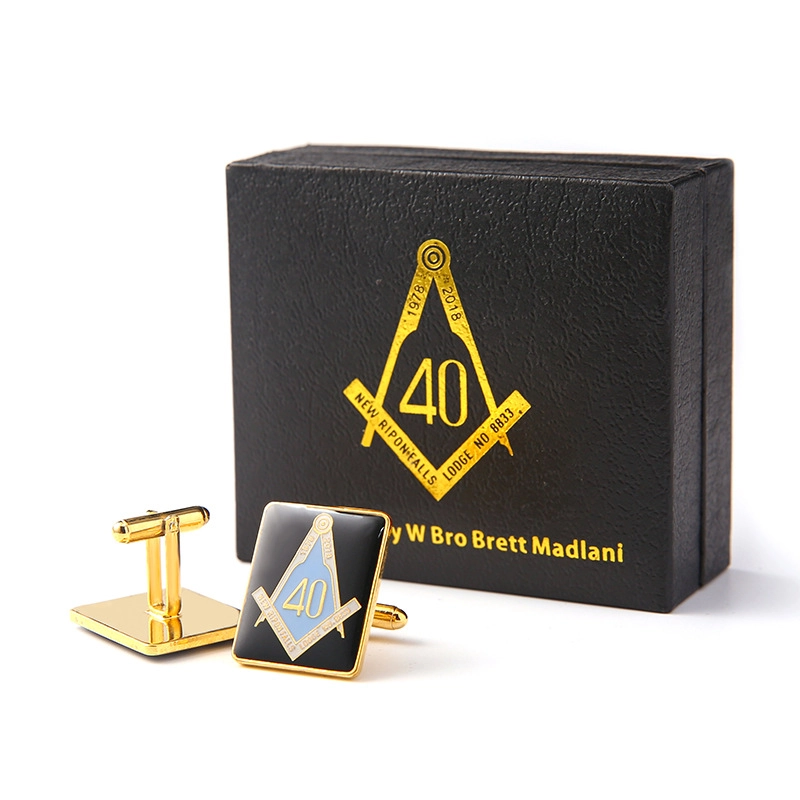
Custom Engraved Square Cufflinks
Elevate every formal look with these premium gold-plated square cufflinks! Crafted from durable alloy with a sleek, polished finish, they feature a secure toggle-back design and full custom enamel printing—add your logo, emblem, or commemorative text for a truly personal touch. Perfect for business meetings, weddings, corporate events, or as unforgettable branded gifts that stand out.
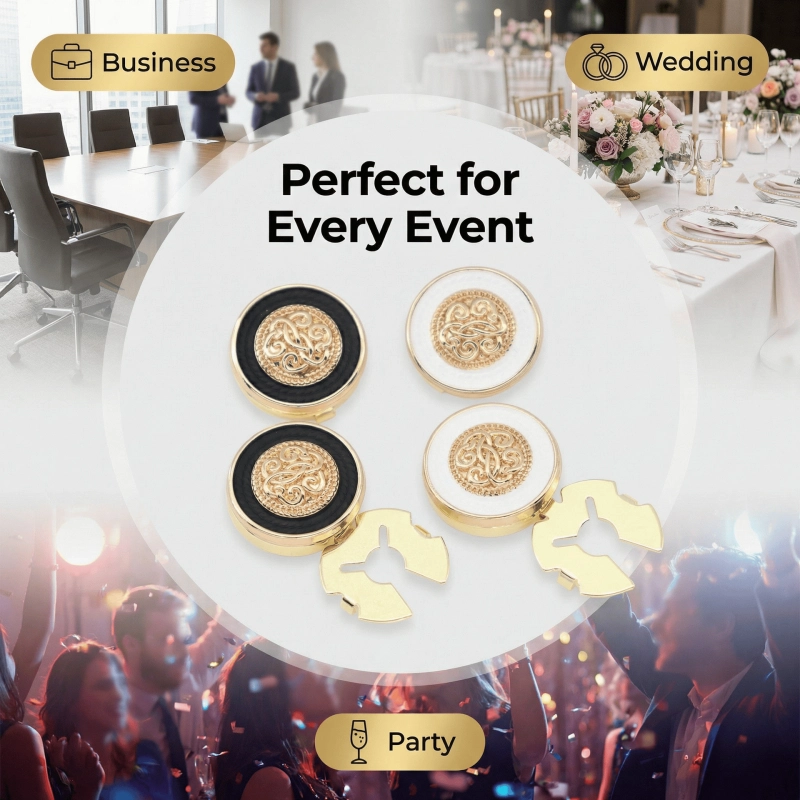
Button Cover Promo Gifts
Elevate your formal look with our elegant metal cuff fasteners. Featuring intricate gold patterns and classic black/white finishes, these reusable no-sew cuff covers fit most shirt cuffs for daily or business use.
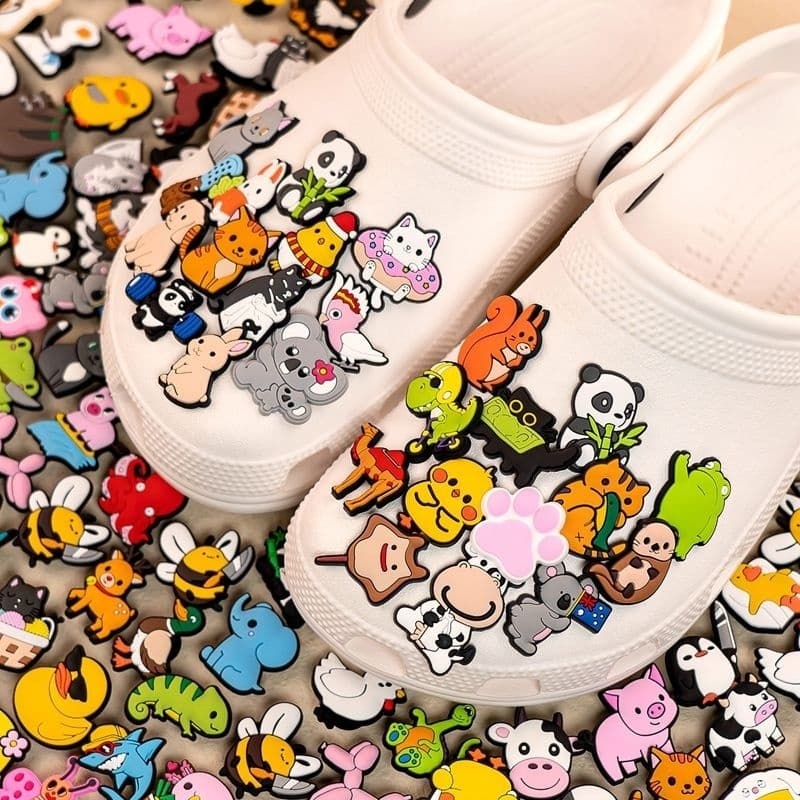
Multi-Style Creative shoes charms DIY Customization pvc-2D+3D
Featuring a wide range of styles – from cute butterflies, fruity designs, and cartoon characters to trendy slogans, retro elements, and pop culture icons – these vibrant, durable charms let you customize your shoes with personality.
Metal Cufflinks, Alloy Material for Business Occasion
Custom metal cufflinks are premium, functional accessories that elevate formal/business attire. Crafted from stainless steel, brass, or precious-metal-plated materials, they use precision stamping, laser engraving, or enamel filling for durability and a sleek finish.
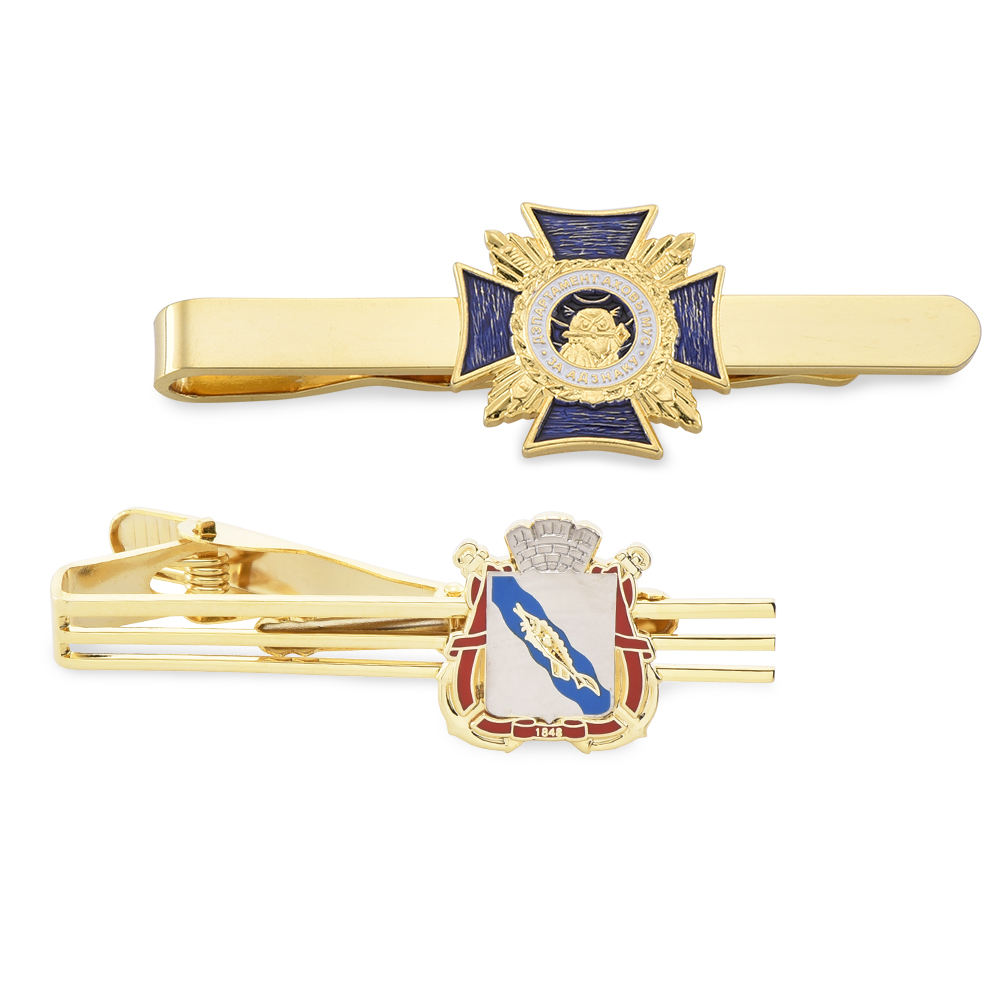
Bespoke Decorative Enamel Tie Clip, Custom Emblem Necktie Clip for Men
Designed for distinguished gentlemen, this Bespoke Decorative Enamel Tie Clip combines exquisite craftsmanship and custom creativity. Durable plated metal and vibrant enamel deliver long-lasting color and shine. We accept bespoke emblems, crests and branding designs. Functional and eye-catching, it suits weddings, conferences and official events. An outstanding personalized gift choice for corporate teams and formal apparel enthusiasts.
Vector

Production Process

FAQ

ARTWORK DESIGN
Artwork is designed per your requirements. Free samples are provided for confirmation. We support multiple colors or complex craft processes.

MOULD TOOLING
Short mold development cycle. We can produce metal and plastic molds as needed.

STAMPING/PRESSING/DIECASTING
We support stamping, pressing, or die-casting processes to produce lapel pins, medals, and other products.

HIGH-PRECISION PRESSURE
High-precision equipment enables the production of products with complex shapes and ensures quality.

CUTTING SHAPE
Cutting is made via laser or hydraulic cutting machines, ensuring product precision.

FIXING ATTACHMENT
Different attachments will be fixed to the products as required, such as pins, clips, etc.

POLISHING
The material surface is refined to improve texture and remove burrs.

PLATING FINISH
A variety of finishes (e.g., gold, silver) are achieved through electroplating.

COLORING
Machine coloring is applied for even color distribution and stable production. BAKING After coloring, the product is baked to cure the color and enhance durability.

QC&PACKING
All items undergo strict quality checks before packing to ensure zero defects.

SHIPPING
We handle shipping via sea or air. For large orders, delivery takes 15 days; for urgent orders, we also offer express services.

recent
blog articles

Why Custom Embroidered Patches Add Lasting Texture

07
October
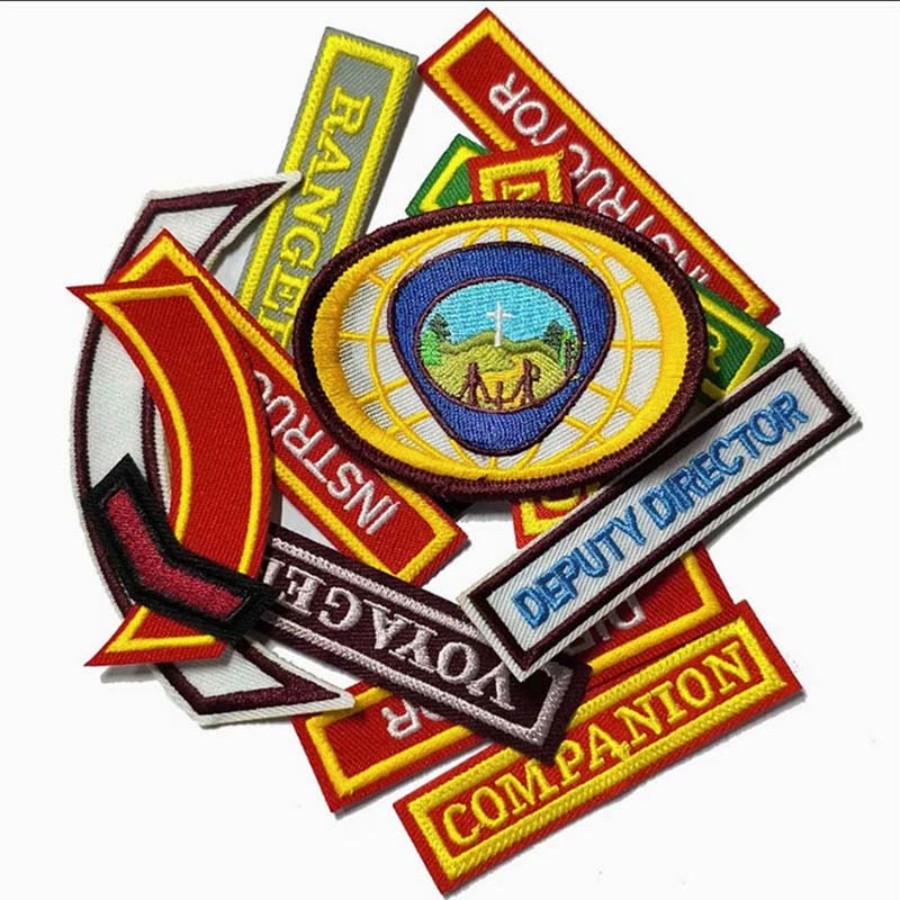
Run your finger over an embroidered badge. You can feel the design right away. Threads stick up from the fabric. Letters have clear edges, and the border gives the patch its own shape. That’s what makes custom embroidered patches great. They make plain jackets or bags look much nicer. To keep this nice texture for a long time, you can’t just add more stitches. The design, fabric and backing method all need to work well together. Texture makes simple designs look complete Take a close look at the patches below. You can see rows of thread, stitched words and raised borders without touching them. Light hits these bumpy surfaces differently. A simple logo gets depth from the stitches. You don’t need busy artwork to catch people’s eyes. When you use custom embroidery patches, first decide what you want people to notice most. A big initial or clean logo leaves space to show off the stitching. If small text and many outlines are crowded in the same spot, simplify the design. Then the finished patch will be easier to read. You can see the difference better up close. Printed designs only show details on a flat surface. Embroidered patches have texture you can touch. Put on a cap or jacket. Even if the thread color is close to the garment, this slight bump is part of the design. Design Detail Should Match The Thread Artwork that looks clear on a screen may be too crowded at patch size. Tiny letters and outlines that sit very close together are hard for embroidery thread. Those details are better for other finer printing methods. Don’t keep every small detail right away. Check your artwork at the real size it will be on clothes. Make a sample. It will tell you if people can still read the words, or if you need more space between lines. Embroidery rewards bold structure A shield or a large initial gives embroidery a clear shape to fill. The stitched border then separates that shape from the garment behind it. Against denim or canvas, this can be enough to make the badge readable without covering the whole patch in tiny details. Fine detail may need another patch type Sometimes the detail is the reason for the design. A name in small type may be better woven, using finer threads, while a picture with gradients may suit a printed patch. Chenille has a different purpose: its soft pile suits large varsity letters, like the examples below. These finishes create different surfaces. The choice depends on which part of the artwork you want to keep. Design need Patch choice Reason Raised heritage look Embroidery patch Thread texture gives depth and a crafted surface Tiny lettering Woven patch Thin threads keep compact details cleaner Photo or gradient art Printed  patch Ink can reproduce color transitions more easily Varsity or sports style Chenille patch Pile texture gives a bold soft effect Backing Changes How The Patch Lives On Fabric How the patch is attached matters once the garment is being worn. Sew-on construction is an option for clothing used and washed regularly. Iron-on backing can make application convenient on suitable fabrics, Hook-and-loop lets a badge be removed or changed. A removable team badge and a permanent jacket emblem don’t have to use the same backing. Choosing a patch for shirt means considering the shirt as well as the badge. Cotton, twill, denim and canvas are common starting points, but the sample still needs to be checked on the intended fabric. A neat patch with a lifting edge loses much of its appeal, however clear the logo is. Custom embroidery patches for heat press can be useful when several garments need the same badge. The heat and pressure must suit both the adhesive and the garment, though. Try the patch on a sample first and check the edge and surrounding fabric before applying the rest. Texture alone doesn’t tell you whether the attachment is sound. Color Looks Stronger When It Has Restraint The lettering in the examples below stands out against white or yellow backgrounds. Adding more shades would not necessarily make the words easier to read. Start with the colors that separate the main shape from the fabric, then decide whether another color adds anything useful. Border color controls the edge The edge also changes how much contrast you get. A merrowstyle border makes round, smooth outlines for patches. A heatcut edge can follow more complex, detailed shapes. If you pick a border color that matches your clothes, the patch blends in nicely. If you pick a different border color, people will notice the patch’s outer edge. You don’t need bright, flashy colors for either option to work well. Use highcontrast borders if people need to read the patch from far away. Pick similartoned thread for a soft, subtle look against your clothing. Stick with fewer colors when your logo works mainly by its shape, not fancy pictures. Durability Comes From The Whole Construction The first signs of wear may appear at the edge or attachment rather than in the main design. A loose thread, a fraying border or a lifting corner can spoil the effect while the center still looks fine. The fabric base and backing deserve the same attention as the visible stitches. For embroidered promotional products, TIANYAO CRAFTS offers embroidered, woven, chenille and printed patches, with attachment options including iron-on, sew-on, hook-and-loop and adhesive backing. This gives you a way to keep the artwork while choosing a surface and attachment that suit the item it will go on. A patch kept as a collectible will not face the same use as one on staff clothing. For something worn often, assess a sample on the intended garment and consider its washing and handling conditions. A raised finish is easy to see on a new badge; how well the whole construction suits daily use needs a closer look. Practical Takeaway Custom embroidered patches give a simple design a physical presence. Let the thread show, keep the important lettering readable and check the attachment on the actual fabric. Those choices help the patch remain a convincing part of the garment after the first wear. If you need help choosing a patch for your design or garment, please contact TIANYAO CRAFTS. FAQ What designs work best for embroidered patches? Simple logos, bold letters, mascots, badges, and high-contrast shapes usually work best. Very small text or thin line art may need a woven or printed patch instead. Are custom embroidery patches for heat press durable? Custom embroidery patches for heat press can be durable when the backing, heat setting, pressure, and fabric are compatible. A sample test is the safest way to confirm performance. What is the difference between sew-on and iron-on patches? Sew-on patches are stitched to the garment and are often chosen for long wear. Iron-on patches use adhesive backing and are convenient for faster application on suitable fabrics. Can embroidery yarn for logos and badges show fine detail? Embroidery yarn for logos and badges can show clear detail when the artwork is simplified for stitch thickness. For tiny text, a woven patch may produce a sharper result. Do embroidered patches work for bags as well as shirts? Embroidered patches can work on bags, hats, jackets, shirts, uniforms, and other textile items. The backing and border should be chosen around the fabric weight and use pattern.
How Lanyard Materials Shape Daily Wear

01
October
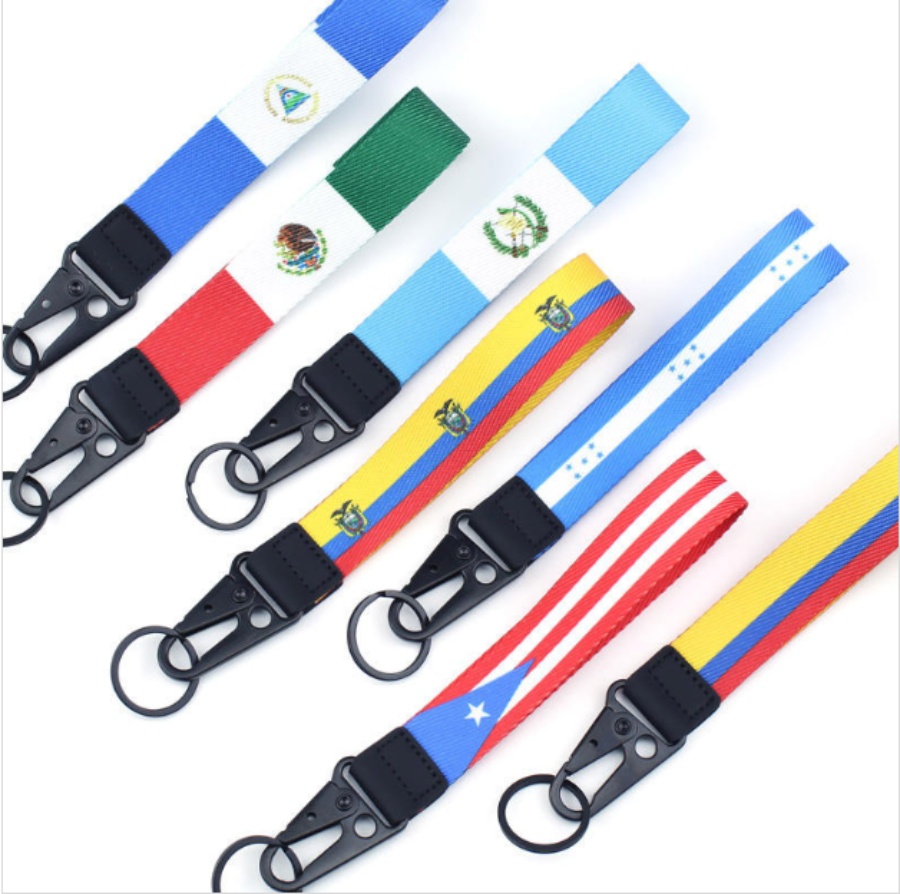
A visitor may wear a lanyard for two hours; an employee could wear the same strap all week. Those are different demands on the fabric. Before choosing a logo, consider how the strap will feel against the neck, what it needs to carry, and how often someone will handle it. Comfort Depends On The Webbing Structure Most of the contact with the neck comes from the webbing, so start there. Smooth polyester is a practical choice for events: it takes a clear print and balances everyday durability with cost. Nylon can offer a softer feel and a more polished appearance for staff wear, outdoor activities, or branded merchandise. When ordering custom made lanyards, think about how long each person will wear one. A basic strap may be enough for a short visit. Employees wearing badges all day have more reason to notice rough edges. Extra width can help spread the weight, while a smoother surface may reduce rubbing. Hollow tubular webbing is woven as a flat tube, rather than made by stitching two strips together. Its rounded, thicker feel can soften contact under tension on neck, hand, and shoulder straps. For large orders that call for a flatter, uniform strap, high-speed woven webbing is another option. Print Method Changes What The Logo Can Do A simple logo and a detailed mascot don’t ask the same thing of a print process. Screen printing suits solid marks and short wording, particularly when an event needs a large quantity at a controlled cost. Heat transfer gives more scope for color and fine edges in campaign graphics or multi-color artwork. Heat transfer keeps color flexible Heat transfer is useful when color does much of the work: a campus mascot, a sports graphic, or an exhibition design. The smooth surface can carry sharp artwork without giving it a raised, rough feel. Check the design on the strap itself, where the available space is much narrower than on a screen. Jacquard makes the pattern part of the strap With jacquard webbing, the logo is woven into the fabric. There is no separate printed design on the surface, which helps the pattern withstand rubbing and washing. The trade-off is artwork flexibility: gradients are less suitable. A simpler woven mark can work well on premium accessories, outdoor straps, or designs visible from both sides. Material or method Daily-use strength Best fit Heat-transfer webbing Colorful print, smooth edge, efficient production Events, campus passes, campaign gifts Nylon webbing Soft hand feel, strong toughness, premium look Staff wear, outdoor use, brand merchandise Hollow tubular webbing Thicker feel, rounded edge, tension buffering Neck straps, hand straps, bags, equipment straps Jacquard webbing Woven-in logo, durable pattern, textured surface Premium straps, uniforms, two-sided exposure High-speed webbing Flat surface, clean edge, large-batch efficiency Simple logo lanyards and standard badge use Badge Weight And Attachments Need A Practical Match Choose the fitting with the actual load in mind. A light visitor badge may need only a basic metal hook or plastic clip. Keys, a whistle, a small tool, or a phone lanyard strap put greater demands on the connection and stitching. If the fitting feels weak, changing the fabric alone won’t solve the problem. An id card holder lanyard should also keep the card usable. A lanyard with clip can hold a flat badge in view; a swivel hook lets it turn more freely. For frequent scanning, consider a retractable reel. Try the card with the chosen fitting to see whether the wearer has to keep straightening it. TIANYAO CRAFTS offers metal hooks, plastic lobster clips, safety release buckles, retractable reels, badge clips, carabiners, whistles, LED lights, and related fittings. These options let buyers keep a strap design while adapting the accessories to its job, whether that is office access, a school card, an exhibition pass, or outdoor use. Safety Details Matter In Crowded Or Active Settings Think about where a strap might catch or be pulled, especially around children, equipment, or crowds. A breakaway point is intended to release under pulling pressure while allowing normal badge use. Decide whether the setting calls for one early in the design process, before the strap and its attachments are finalized. On a safety breakaway lanyard, the release part needs room to separate cleanly. That still leaves the ordinary wearing details to check: width, stitching, and a hook suited to the carried item. Adding a release buckle won’t make a rough strap comfortable or turn an unsuitable fitting into the right one. Common checks before production Before production, put the proposed strap and attachment together and check them with the intended item. Feel the edges against the skin, read the logo from a normal distance, and see whether the badge hangs without awkward twisting. These checks address different problems; a clear print alone tells little about comfort. Feel along the strap edge and check for rubbing during wear. Read the logo at the chosen strap width and a normal viewing distance. Attach the intended badge, keys, or device and check how it hangs. Brand Visibility Should Serve The Wearing Context For custom logo lanyards, the setting helps determine how prominent the branding should be. Repeated, larger marks can make sense at an exhibition. An office team or hospitality program may prefer a quieter woven design. In either case, the wearer still needs a strap that sits comfortably through the day. The fabric lanyard surface affects the artwork, too. A dense, smooth weave can keep printed edges crisp; textured woven lanyards give the design a more tactile finish. Look at a sample from the distances that matter for its use, such as across a registration desk or in a group photograph. With lanyards for id badges, visibility starts with the card. Can it face forward, and can the wearer reach a reader without struggling with the fitting? Comfortable webbing and hardware suited to repeated scanning make the lanyard useful throughout the day. The logo has to fit around those needs. Practical Takeaway Start with the wearing conditions, then choose the construction. Polyester with heat transfer suits colorful event artwork; nylon offers a different hand feel. Hollow webbing adds a softer, rounded structure, while jacquard puts the design into the weave. Match the hardware to the badge or other item, and consider a breakaway where pulling is a concern. A finished sample lets you judge how those choices work together. FAQ What material is best for custom made lanyards? For many events, polyester is a practical starting point. Nylon may suit a softer feel, while hollow tubular webbing adds thickness. If a woven logo is the priority, consider jacquard. The choice depends on the wearing time, the artwork, and what the strap carries. Are woven lanyards better than printed lanyards? It depends on the artwork and finish you want. Weaving puts the pattern into the strap and gives it texture. Printing offers more scope for full-color artwork and gradients, which may matter more for an event design. When should an id card holder lanyard use a reel? Consider a reel when the card needs to reach a reader repeatedly during the day. The wearer can extend the card to scan it while leaving the strap around the neck. Do lanyards for id badges need breakaway buckles? Consider one wherever the strap could be pulled, including schools, crowded events, and active workplaces. Choose it for the setting, and check the rest of the assembly as well. The buckle doesn’t replace sound stitching or suitable hardware. Can custom logo lanyards be used as gifts? Yes, if the recipient has a reason to use one. A comfortable strap with an appealing design can be a useful daily gift. Give the badge or carrying function as much attention as the branding.

How Custom Keychains Turn Artwork Into Keepsakes

24
September
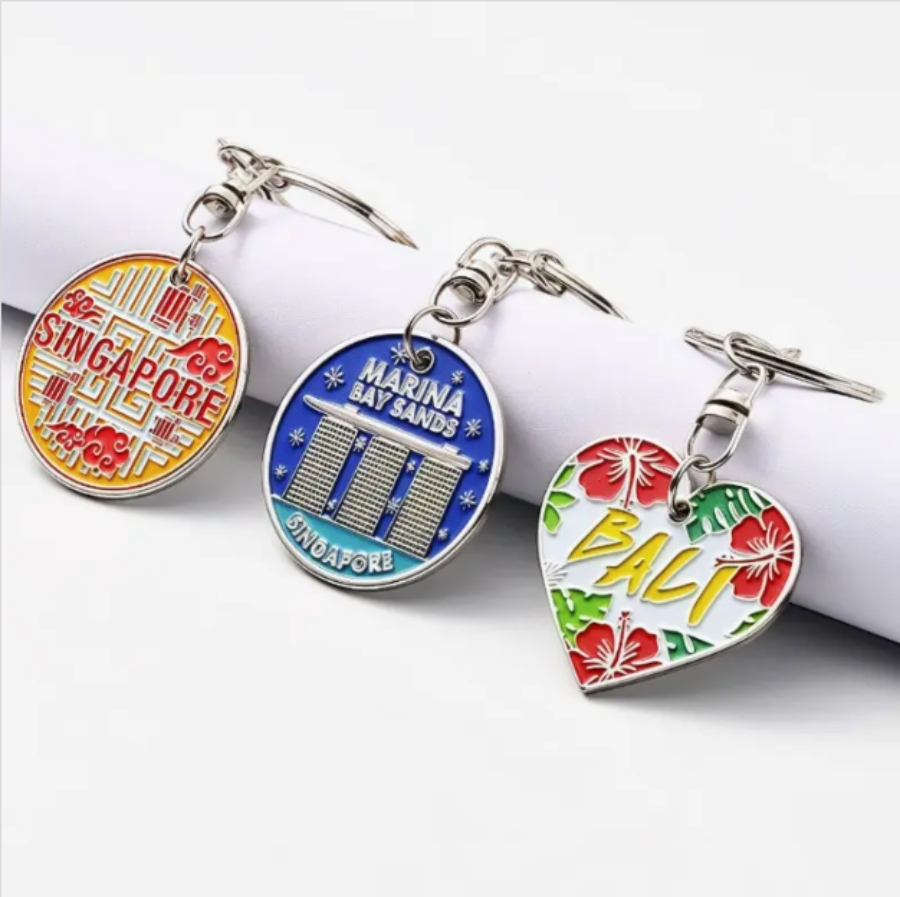
A vivid keychain design does more than carry a logo. It has to shrink artwork into a small object that still feels clear, touchable, and worth keeping. For artists, fan communities, event teams, and brand merch planners, the point is how to protect the personality of the artwork once it becomes a daily-use product. Artwork Has to Survive the Real Object Small size gives artwork less room to explain itself. A poster can express relying on background detail, shading, and supporting text, but a keychain usually has to work from an arm length away, under changing light, and while moving on a bag or set of keys. The best starting point is not the size but recognition. A character face, figure outline, landmark, slogan should remain readable after holes, accessories are added. If the shape only works on a large size, it will probably become muddy as a small charm. Shape and silhouette A recognizable silhouette makes a custom key-chain feel distinctive before a person reads any detail. Rounded ears, a building roofline, a sports emblem, or an unusual product shape can carry more memory than a rectangle filled with tiny artwork. This is why custom shaped keychains remain useful for Art-themed souvenirs: the outline itself becomes part of the message. Color and print edge Color decisions should support the object instead of fighting it. Bright blocks, clean outlines, and soft contrast usually translate better than soft gradients when the piece is viewed quickly or photographed for online product showing. Fine shadow can still work, but it needs a strong border or focal subject so the small piece does not look washed out. Keep fine text away from cut edges and connector holes. Use stronger contrast for faces, logo, and small icons. Let one visual idea dominate instead of compressing a full poster on it. Material Changes the Feeling of the Story Material choice changes how the same artwork be understood. Custom acrylic keychains make full-color art feel glossy, light, and young, while softer PVC pieces can make character shapes feel rounded and playful. Fabric and metal keychains create different signals when the artwork needs soft texture or premium weight. Acrylic works especially well when the design depends on clear printed color. TianYao Crafts can produce custom acrylic pieces from high-grade 3 mm acrylic, cut them into custom shapes, and assemble them with metal keyring hardware and colored accessories. That combination is useful when the artwork needs color accuracy, clean edges, and a practical accessory. The point is not that which one material is always better. The better choice is the one that lets the artwork keep its strongest cue after production, handling, and everyday wear. A souvenir image may need acrylic clarity, a club patch may need fabric softness, and a commemorative emblem may need the weight of metal. Hardware Accessory Choices Decide Daily Use Hardware often looks secondary during design, but it controls how the keepsake behaves after delivery. The gap between the charm and the ring, the connector color, and the chain length all affect whether the piece sits cleanly or easy to wear. Acrylic keychains, for example, can use stainless steel key rings, chains, and clasps to stay sturdy in daily use. When the artwork is meant for bags rather than keys, fabric keychain construction may feel softer and less noisy, while metal keychain options can suit heavier commemorative designs. Hardware should match the carrying situation, not just the factory default. When a set needs variation Sets need a consistent rule so each design looks related without becoming repetitive. A set might keep the same charm size and connector color while changing expressions, character poses, or background color by variant. This gives collectors a reason to complete the set without making every piece feel copied. When durability matters Daily-use pieces need enough margin around holes and raised areas. Keychain rings with chain can help a charm move naturally, but the artwork should still avoid fragile points that catch on fabric or bend under pressure. The stronger choice is often a slightly simplified shape that survives bags, pockets, and repeated handling. Keepsakes Work When They Feel Specific People keep small objects when they connect to a clear memory or identity. A custom photo keychain can preserve a pet, school event, trip memory, or campaign image. Personalized keychains with names work for similar reasons. The name is not just decoration, it makes the item feel assigned, gifted, or collected. Fandom keychains use the same logic when a mascot, phrase, color set, or expression signals group belonging. The object becomes a portable cue that says where the owner belongs or what moment they want to remember. This is where custom shaped keychains stay useful year after year. They are small enough to travel, affordable enough for sets, and visible enough to keep artwork in circulation after an event or launch ends. Practical Takeaway for Artwork-Led Keychains A memorable keychain starts with one strong visual idea, then uses material, cut shape, color, and hardware to protect that idea in daily use. If the artwork still reads at small size and the object feels comfortable to carry, the keepsake has done its job. For custom product planning, TianYao Crafts is most relevant when the artwork needs making sample, custom cutting, full-color printing, practical hardware assembly, and batch consistency across related designs. The next useful step is to test the artwork at real charm size before adding more effects. FAQ What artwork works best for custom keychains? Artwork with a clear subject, strong outline, and limited tiny text usually works best. Mascots, logos, landmarks, character faces, and simple illustrations tend to stay readable after shrinking. Are acrylic keychains better for colorful designs? Acrylic is a strong choice for colorful artwork because it supports full-color printing and clean custom shapes. It is especially useful for fan art, souvenir artwork, and bright promotional designs. How can a keychain set avoid looking repetitive? A set can share one consistent format while changing expressions, colors, or artwork details. This keeps the collection coherent while giving each piece a reason to exist. What makes fabric and metal keychains feel different? Fabric and metal keychains create different touching signals. Fabric feels softer and casual, while metal feels heavier, more formal, and more suited to durable commemorative designs. How long can acrylic keychain production take after proof approval? Acrylic keychains can be produced in about 5 to 10 business days after proof approval when the design and production details are confirmed. More complex orders may need a separate schedule check.

Why One-Stop Promotional Product Sourcing Pays Off

17
September
A multi-item campaign can look simple on a brief and become messy as soon as each product follows a different proof, production, packing, and shipping path. One-stop sourcing earns its value when a single partner coordinates those handoffs, keeps the brand rules intact, and makes the complete delivery plan visible before production begins. Campaign complexity grows at the handoffs The real cost of fragmented sourcing appears between suppliers. A medal, patch, keychain, and lanyard may share one campaign date, yet each uses different artwork limits, color methods, tooling steps, and packing requirements. Separate versions of the brief can quickly create separate approval problems. Those problems compound when an item changes. A revised quantity can affect packing, carton counts, freight mode, and the date when other products must be ready for consolidation. Buyers comparing promotional products suppliers should ask who owns the cross-category schedule, not who can quote the longest catalog. A single owner turns variety into one operating plan Central coordination creates one control point for information that would otherwise be repeated. The supplier can translate a campaign brief into item-level specifications and flag decisions that remain product-specific. Procurement still approves each item, but every approval follows one naming system, one version history, and one milestone plan. Control point Multiple disconnected suppliers One-stop sourcing model Artwork Separate file requests and proof formats One master brand file with item-specific proofs Color Independent interpretations of brand colors Shared Pantone references and approved tolerances Packing Carton and labeling decisions made late Pack-out defined before production closes Schedule Dates tracked product by product Dependencies managed against one campaign deadline This model should preserve technical differences. Strong one-stop sourcing separates common brand rules from category-specific production limits. A buyer can approve a woven label differently from a die-cast coin while keeping campaign identity and delivery logic connected. Consolidation protects the brand across product types Brand consistency depends on controlled translation because the same logo cannot be reproduced identically on every surface. Fine lines that work in print may need adjustment for embroidery, while metal relief, laser engraving, and molded PVC require different spacing decisions. A supplier handling custom promotional items should show how the master artwork changes by process before final approval. Physical samples or production proofs turn that explanation into an acceptance standard. Buyers should record approved dimensions, color references, logo position, surface finish, attachment, and packaging for each SKU. The advantage of consolidation is a shared approval system, not one generic proof that ignores how the products are made. Product range matters only when control travels with it A broad catalog is useful only when the supplier can explain where each item is made and how outside work is controlled. This question matters most for mixed campaigns because specialty fittings, retail boxes, or trend-led accessories may come from different production partners even when one company manages the order. That is where TIANYAO CRAFTS fits the one-stop model. Its operations cover metal and embroidery crafts, while dedicated lanyard and PVC factories extend the range. A purchasing team sources special fittings, packaging materials, and trend items, evaluates outside factories, and arranges quality checks before shipment. The same control logic should apply when a campaign includes unique promotional gifts outside the core factory range. Before accepting a consolidated quote, confirm who approves the sub-supplier, who holds the master sample, where inspection occurs, and how a failed item affects the combined shipping date. One-stop service is credible when responsibility remains clear at every handoff. One timeline must cover proofing production and freight Campaign deadlines should be planned backward from the required arrival date. The schedule needs room for artwork review, sample approval, production, inspection, packing, consolidation, export handling, and transport. A supplier may complete one fast item early, but that does not protect the event date if another SKU misses its proof window. Buyers should request milestones that name the owner and latest safe approval date for every product. They should also identify which items can ship separately if a delay occurs. This turns on-time delivery into a plan with visible decision points and recovery options. Consolidated shipping can reduce the number of deliveries and simplify receiving, but it is not automatically the best answer. Separate freight may be safer for an urgent launch item or a product with a longer inspection cycle. The strategic benefit lies in making that tradeoff once across the whole campaign. How to judge whether consolidation fits your campaign One-stop sourcing works best when several products share a brand system, approval team, destination, or launch date. It is especially useful when the buyer values fewer handoffs, consistent documentation, and coordinated packing. A specialist may still be better for a technical item whose process or compliance requirements exceed the general partner’s control. Before appointing one partner, test the operating model. Which categories are made in-house? Which are sourced? How are artwork changes recorded? Who approves sub-suppliers? What inspection evidence is available? Can carton labels and kitting follow one plan? Clear answers show whether the supplier is consolidating responsibility or forwarding purchase orders. The strategic advantage is controlled simplicity The strongest one-stop relationship simplifies campaign management without simplifying the products. Each item keeps its manufacturing logic, while the campaign gains one brief, one approval history, one schedule, and one accountable coordination team. That combination can reduce rework and make delivery risks easier to spot. For a campaign spanning several categories, send TIANYAO CRAFTS the product list, quantities, artwork, packaging plan, destinations, and required arrival date. The response should make ownership and milestones as clear as the product choices. FAQ What should a one-stop promotional product brief include? A useful brief lists each product, quantity, target recipient, logo files, Pantone references, decoration method, packaging, destination, and required arrival date. It should also name the approvers and explain which items must arrive or pack together. Does one-stop sourcing always lower unit prices? No. Consolidation may reduce coordination, duplicate setup, and fragmented freight, but unit cost still depends on material, process, quantity, tooling, and schedule. Compare the complete landed and management cost, not only the lowest line-item quote. How can buyers verify color consistency across products? Use one master color reference, then approve item-specific samples or proofs for each material and process. Record acceptable tolerances where exact matching is impossible. Keep approved samples available for production inspection and repeat orders. Can different promotional products ship together? They can when production dates, packing formats, customs requirements, and destination plans align. The supplier should show the consolidation cutoff and the cost of waiting. Urgent or inspection-sensitive items may need a separate shipment. When is a specialist supplier the better choice? A specialist is preferable when one item carries unusual engineering, testing, compliance, or process demands that the one-stop partner cannot control or document. The buyer can still consolidate the remaining items under one campaign plan.

LEAVE US A MESSAGE


    Products
    Contacts
    WhatsApp
    Email