

Products

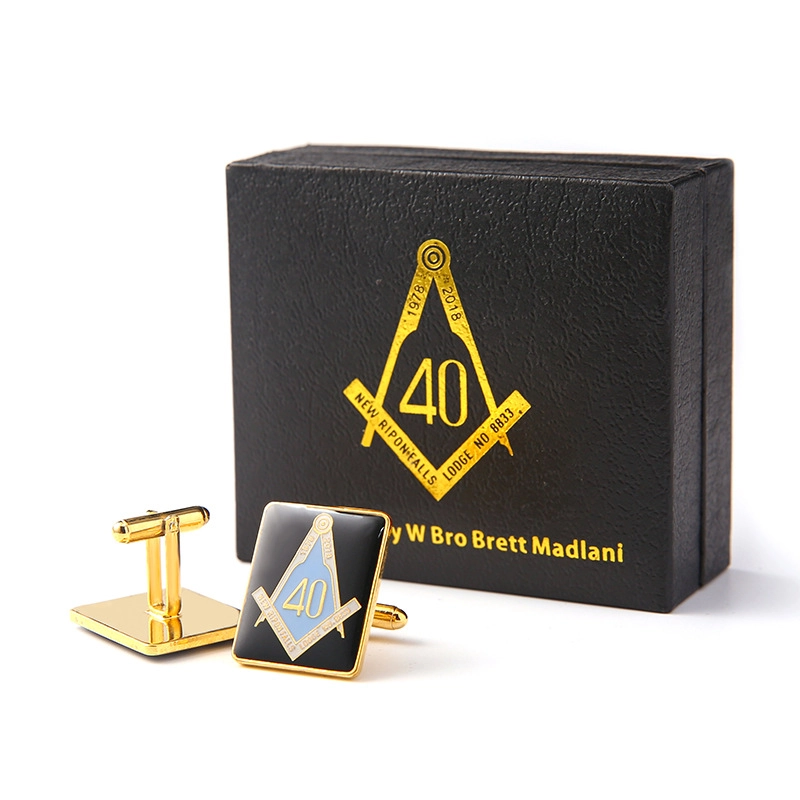
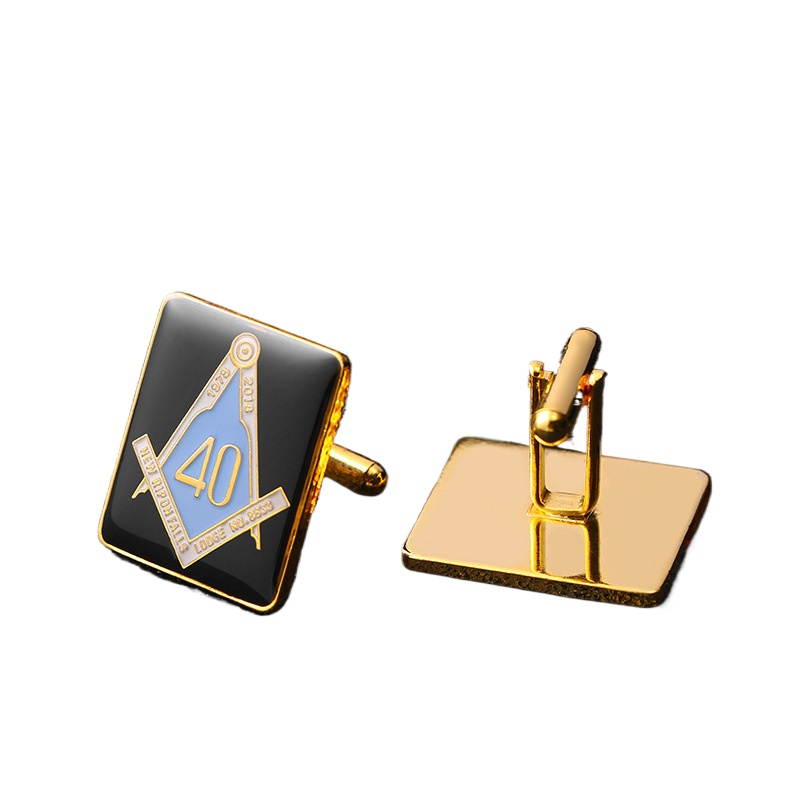
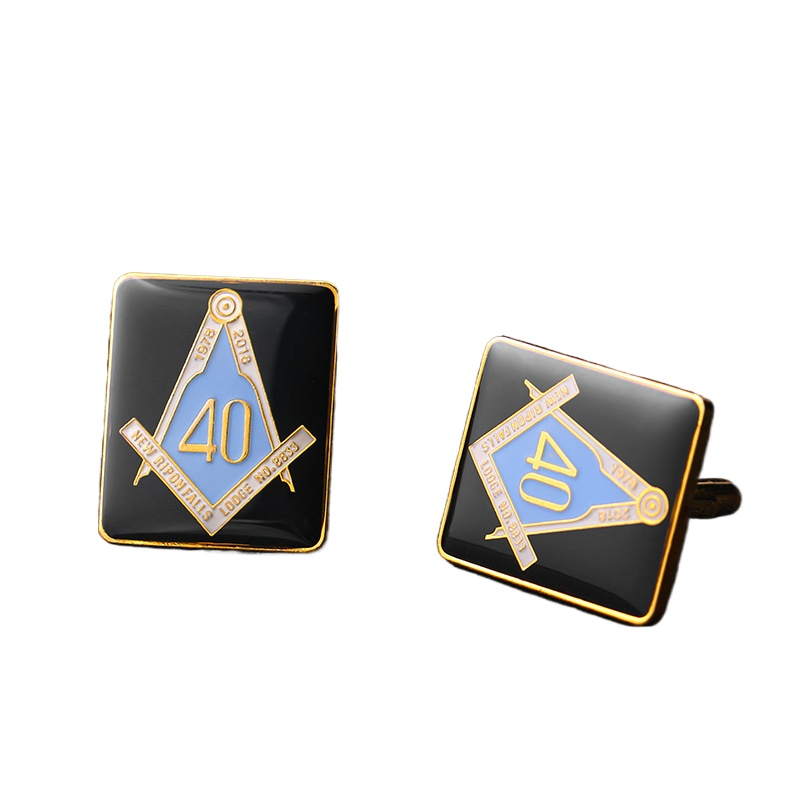
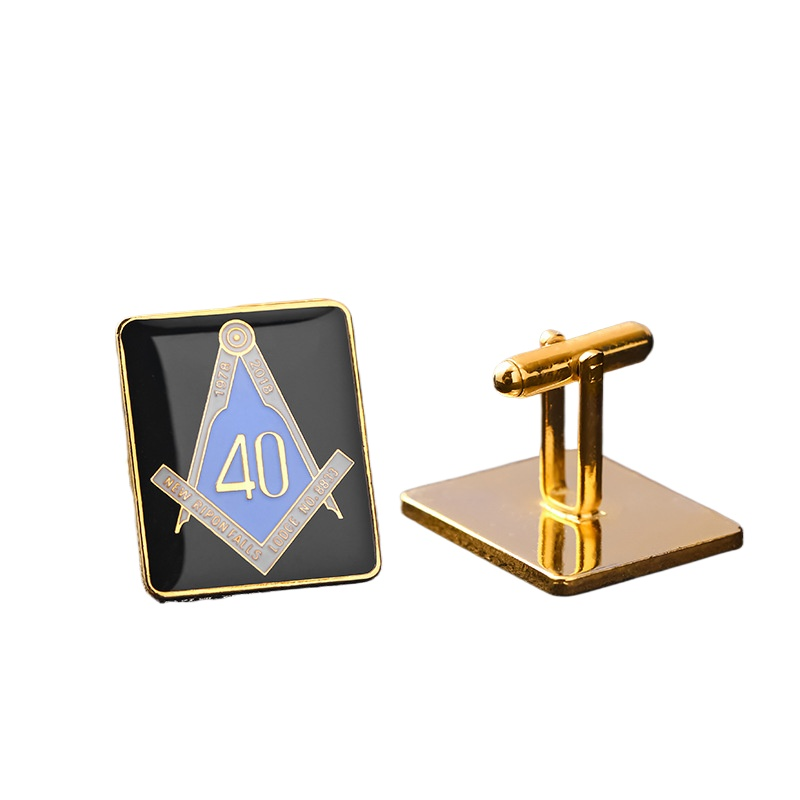
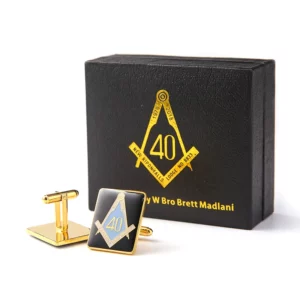
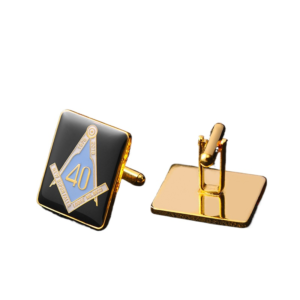
Custom Engraved Square Cufflinks

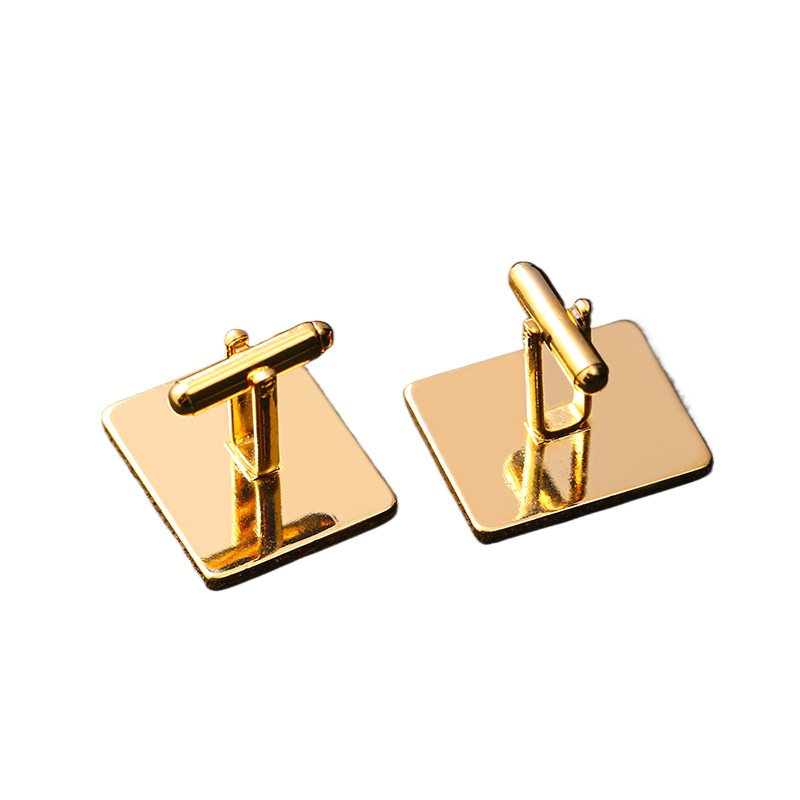
Elevate every formal look with these premium gold-plated square cufflinks! Crafted from durable alloy with a sleek, polished finish, they feature a secure toggle-back design and full custom enamel printing—add your logo, emblem, or commemorative text for a truly personal touch. Perfect for business meetings, weddings, corporate events, or as unforgettable branded gifts that stand out.

Crafted from premium leadfree alloy with a durable, scratchresistant polished gold plating, these square cufflinks feature a classic toggleback design for easy and secure fastening on standard dress shirt cuffs. The smooth, glossy surface supports custom hard or soft enamel printing, allowing you to add unique logos, text, commemorative numbers, emblems (including Masonic symbols), or custom artwork in your choice of colors and finishes. They can be produced in a range of plating options (gold, rose gold, gunmetal, silver) to match your brand or design requirements.

Target Users:Business professionals, formal wear enthusiasts, club and organization members (like Masonic lodges), corporate buyers, event planners, and individuals seeking personalized formal accessories for special occasions. Also perfect for bulk purchasers looking for branded promotional gifts.

Application Scenarios:Ideal for daily office wear, formal business meetings, weddings, galas, blacktie events, corporate award ceremonies, club anniversaries, commemorative gatherings, and as premium promotional gifts, corporate giveaways, or custom keepsakes.

Advantages:

✅ Premium, durable alloy construction with longlasting gold plating

✅ Fully customizable: logos, text, emblems, colors, and plating finishes

✅ Secure toggleback design that fits most standard dress shirt cuffs

✅ Supports OEM & ODM orders, including bulk wholesale production

✅ Polished, scratchresistant finish for a refined, professional look

✅ Suitable for both personalized retail and largescale corporate orders

Value Summary:These custom square cufflinks blend timeless formal elegance with complete design flexibility. They instantly elevate any dress shirt, making them perfect for both everyday business wear and milestone occasions. Whether as personalized accessories for members, branded corporate gifts, or commemorative keepsakes, they deliver a polished, professional impression that reflects attention to detail and quality craftsmanship.

Product Parameters

■ Material:Zinc Alloy / Bronze / Copper / Iron / Silver/Gold /Stainless

■ Size:Custom size

■Color: Hard Enamel / Imitation Hard Enamel / Soft Enamel / UV printing/ Blank

■ Acceptance: OEM/ODM, Trade, Wholesale,Bulk order, Sampling, Customization

■ Payment methods: telegraphic transfer, letter of credit, PayPal

Item name promo gifts cufflinks
Material Zinc Alloy / Bronze / Copper / Iron / Silver/Gold /Stainless
Size 18*18 mm (Support customization)
Logo Process Debossed / embossed, 2D or 3D effect
Color Process Hard Enamel / Imitation Hard Enamel / Soft Enamel / UV printing/ Blank
Packing Poly bag, OPP bag, Bubble bag, Gift box, Custom required
Plating Process Gold / Nickel / Copper / Bronze / Antique / Satin, etc..
Application Evening & wedding, Home decor,event favors, Souvenir, Gifts…
Packing Poly bag, OPP bag, Bubble bag, Gift box, Custom required; single bubble bags or as your request
- OUR PRODUCTS

RELATED PRODUCTS

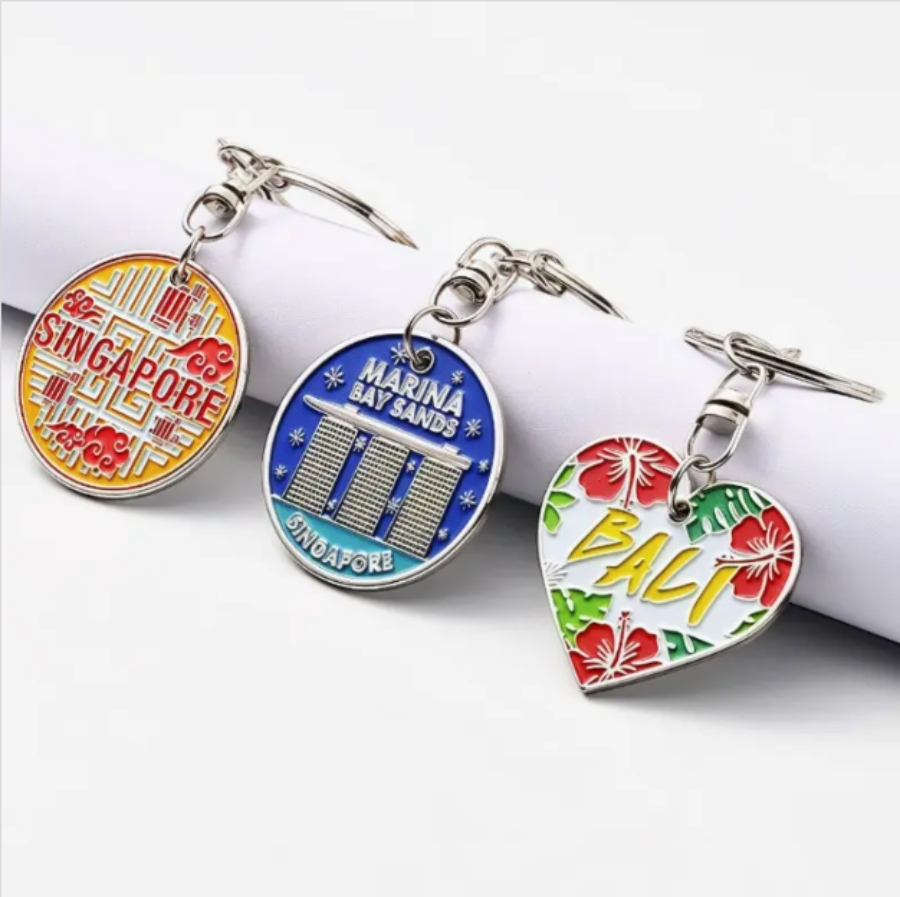
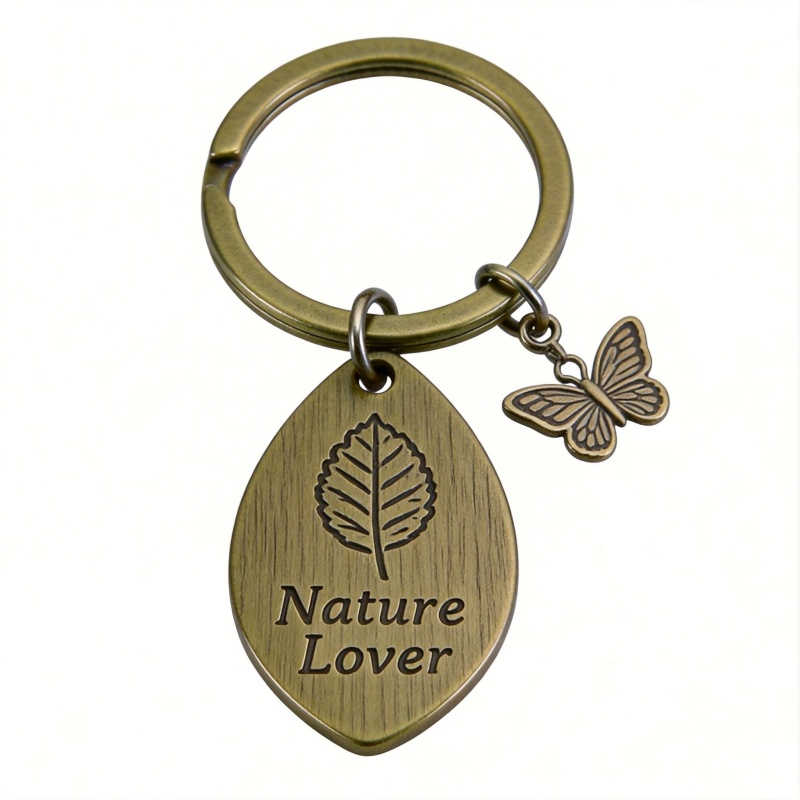
Custom Vintage Engraved Metal Keychain, Personalized Travel Souvenir & Promotional Gift Key Ring
Our Custom Vintage Engraved Metal Keychain blends classic style with lasting utility. Crafted from premium metal with an elegant vintage finish, it features crisp, deep engraving for logos, patterns, city landmarks or meaningful text. Compact, sturdy and lightweight, it is the perfect personalized travel souvenir and stylish promotional gift. Ideal for tourism events, corporate giveaways and commemorative occasions, this timeless keyring combines nostalgia, practicality and brand exposure, making every carry feel special.
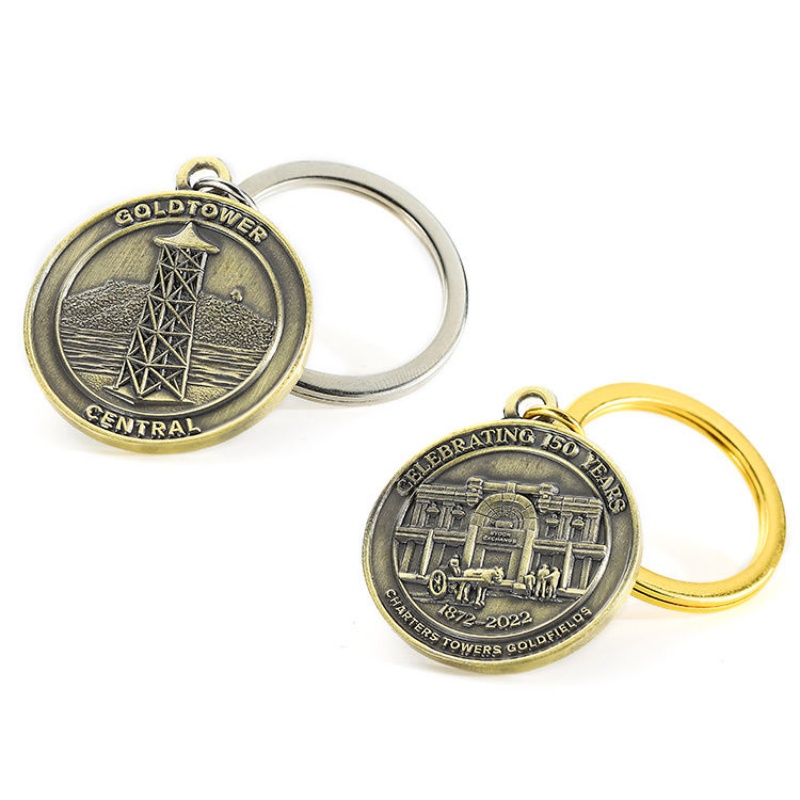
Custom Vintage 3D Relief Metal Keychain, Antique Brass Souvenir Key Ring, Personalized Anniversary Keychain
Our Custom Vintage 3D Relief Metal Keychain combines timeless antique brass finishing with stunning sculpted relief details for an elegant, nostalgic appeal. Expertly crafted from durable metal, it features deep, vivid textures that highlight logos, emblems, or commemorative motifs. Personalized for anniversaries, milestones, or special events, it serves as a meaningful keepsake and practical daily accessory. Compact, sturdy, and full of character, this keychain stands out as a premium souvenir that honors memories while offering lasting functionality.
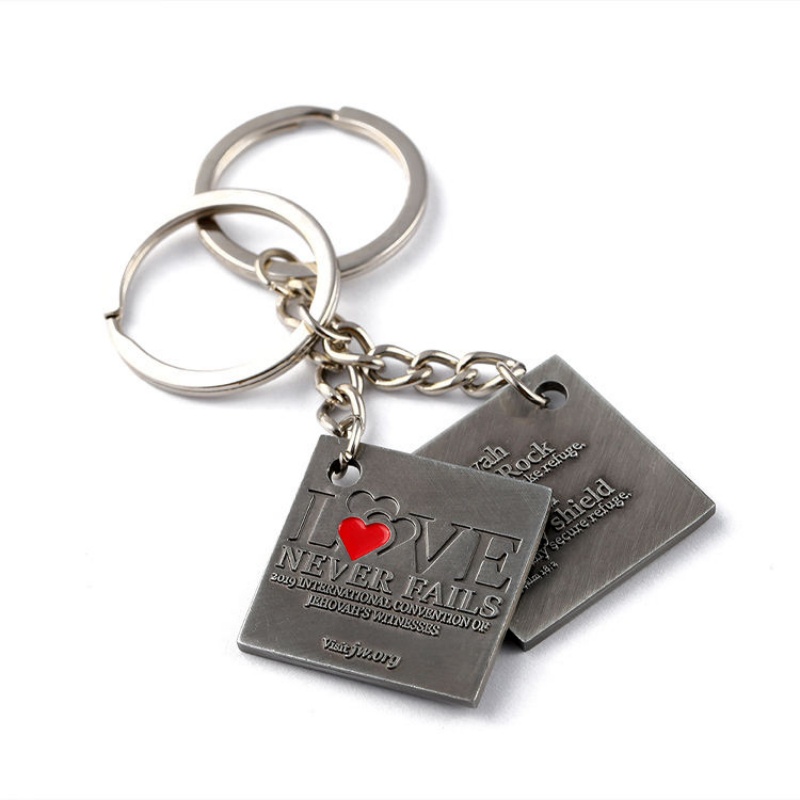
Custom Square Metal Keychain, Engraved Enamel Heart Key Ring, Personalized Souvenir Gift for Events & Conventions
Our Custom Square Metal Keychain blends modern geometry with delicate heart details for a memorable keepsake. Featuring smooth engraved accents and colorful enamel filling, it delivers crisp, long-lasting artwork tailored to your brand or event. Sturdy, lightweight, and built for daily use, this keyring works perfectly as personalized swag for conventions, corporate gatherings, and special occasions. Fully customizable with logos, slogans, or meaningful symbols, it combines sentimental charm with practicality. A stylish, thoughtful gift that leaves a lasting impression on every recipient.
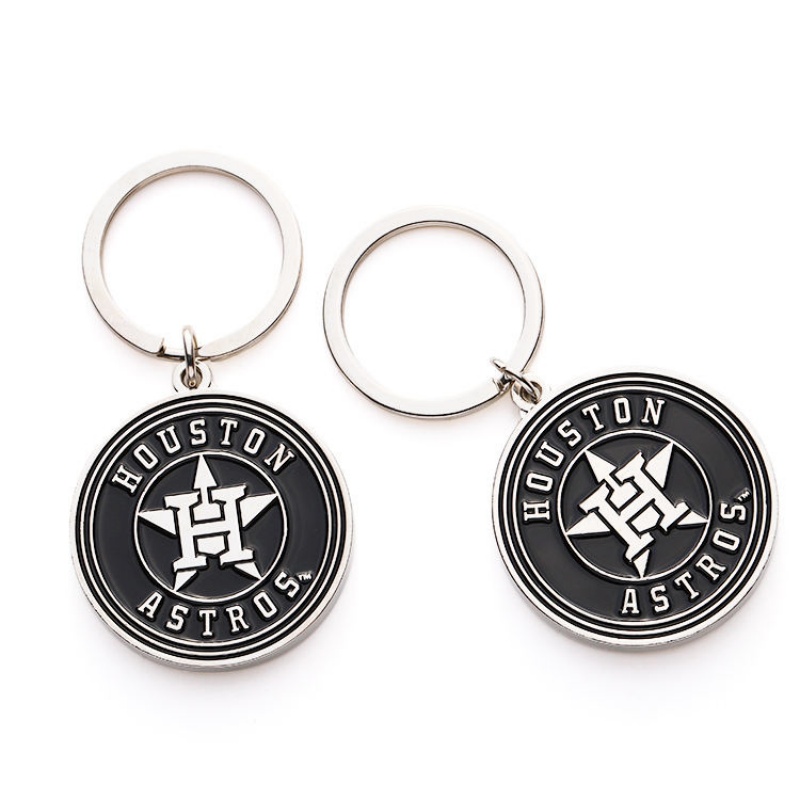
Custom Enamel Metal Round Keychain, Sports Team Style Collectible Key Ring, Custom Gift for Fans
Show your team spirit with our Custom Enamel Metal Round Keychain. Designed in bold sports team style, it features vibrant enamel infill, crisp details, and a durable polished metal finish. Fully customizable with team logos, colors, slogans or mascots, it becomes a proud collectible for fans and supporters. Compact, sturdy and lightweight, it attaches easily to keys or bags. Ideal as fan gifts, tournament giveaways, club merchandise and souvenir items, this keychain blends team pride with everyday utility.

recent
blog articles

How to Design Eye-Catching Custom Lanyards That Boost Your Brand Impact

27
August
A generic lanyard is just a strap. A well-designed custom lanyard is a portable, walking brand billboard. Perfect for events, corporate offices, schools, and brand promotions, a standout lanyard balances instant brand recognition, comfortable all-day wear, and scenario-specific practicality. Here’s how to craft custom lanyards that leave a lasting impression, not just blend in. Design With a Clear Scenario & Purpose The biggest mistake in lanyard design is prioritizing aesthetics over actual usage. A lanyard for staff credentials, event guests, student access cards, or promotional giveaways serves completely different functions — and your design should match. For corporate & staff use: Prioritize high contrast, neat layout, and repeated subtle logos for quick identity recognition. For events & promotions: Adopt vibrant, themed color schemes to boost on-site atmosphere and photo visibility, turning every lanyard into a mobile brand display. Before designing, confirm your core goal: role identification, brand promotion, or thematic matching. Every design detail should serve this core purpose. Color First: Grab Attention at a Glance Color is the first visual element people notice — it defines your lanyard’s tone and brand vibe instantly. Never treat color as an afterthought to logo placement. High-contrast color combinations ensure logos and text stay readable even when the lanyard twists or moves. For a premium, low-key look, opt for coordinated soft tone pairs. For lively event scenarios, bold bright colors work best, but stick to a strict color hierarchy: 1 main color + 1 auxiliary color + 1 neutral blank area. Too many colors on a narrow strap cause visual clutter and blur your brand focus. A simple trick to test your color scheme: Stand 3-5 meters away. If your brand logo and theme are unrecognizable at a glance, simplify your palette immediately. You don’t need to use all brand colors to deliver a professional branded look. Artwork Optimization: Fit the Lanyard’s Unique Shape & Movement Unlike flat posters, lanyards are narrow, curved, flexible, and constantly in motion. Tiny fonts, ultra-thin lines, and dense icons will distort or become invisible after daily twisting and folding. Excellent lanyard design always adapts to this dynamic feature. Design Solution Best Application Scenarios Key Precautions Professional Tips Repeated large logos Corporate staff ID lanyards Overly large logos are easy to fold and block Reserve uniform spacing for repeated printing Full-color printing patterns Event & promotional lanyards Excess tiny details are prone to blurring Choose heat transfer printing for high reduction Jacquard woven patterns High-end customized premium lanyards Not suitable for photo-level delicate patterns Adopt bold and simple outline designs Color-separated strap design On-site role & area classification Similar tones cause identification confusion Use strong color contrast for clear distinction Material & Printing Process: Define Your Lanyard’s Grade Artwork determines the lanyard’s look, while materials and printing processes determine its texture, durability, and overall grade. Different scenarios require targeted matching solutions. Material selection: Polyester features stable color rendering and smooth printing effect, cost-effective for mass orders; nylon delivers soft touch and glossy texture for a premium feel; hollow woven webbing is thick and round, greatly improving wearing comfort for wide lanyards. Printing process selection: Screen printing is ideal for simple logos and single-color designs with low cost; heat transfer printing perfectly restores full-color patterns and gradient effects, perfect for themed event lanyards; jacquard weaving integrates patterns into the webbing, with outstanding durability and three-dimensional texture for high-end customized products. There is no universal “best process” — only the most suitable one for your brand style and usage scenario. All-Day Comfort = Sustained Brand Exposure A good-looking lanyard is useless if it’s uncomfortable to wear. Only when users are willing to wear it all day can your brand achieve continuous exposure. Strap width, thickness, edge workmanship, and accessory weight all affect wearing experience. Common widths (15mm/20mm/25mm) balance aesthetics and comfort differently: 15mm narrow straps are lightweight for daily wear but limit printing space; 20-25mm wide straps display logos more clearly, paired with soft materials and smooth edges for zero burden wear. Key wearable details you can’t ignore: ✅ Equip safety breakaway buckle for school, office and event scenarios to avoid snagging risks ✅ Match hooks and clips according to hanging items (ID cards, keys, reels) ✅ Avoid accessories blocking core logo and brand information ✅ Polished soft edges for long-time neck wear Final Proof Test: Fit Real Usage Scenarios Never confirm production based only on flat digital previews. Real wearing scenarios are dynamic — you need to verify the design in three real states: flat placement, worn with a badge, and distant viewing. Fold the lanyard, simulate daily twisting and wearing, and check whether the logo is always readable and the color tone is consistent. Properly simplifying redundant slogans, enlarging core color blocks, and adjusting logo spacing will make the final design more refined and professional. Final Conclusion A standout custom lanyard is not designed by random aesthetics, but by targeted matching of scenario, color, artwork, material and comfort. Every detail serves brand recognition and user experience. At TIANYAO CRAFTS, we provide one-stop custom lanyard solutions covering heat transfer, jacquard weaving, hollow weaving and nylon materials. We tailor exclusive designs for corporate, school, event and promotional scenarios, helping every client create high-value lanyards that boost brand influence. FAQ Q1: What makes a custom lanyard look professional? A professional lanyard features high color contrast, reasonable logo spacing, and scenario-matched materials. It maintains clear brand display in actual wearing scenarios, not just perfect flat preview effects. Q2: Is heat transfer printing suitable for colorful custom lanyards? Absolutely. Heat transfer printing supports full-color patterns and gradient effects with higher detail reduction than traditional screen printing, ideal for richly styled event and promotional lanyards (ensure tiny text is clear and recognizable). Q3: When to choose jacquard weaving for lanyards? Jacquard weaving is the top choice for high-end customized lanyards. It integrates patterns into the webbing for a textured, durable, and upscale look, perfect for bold logos and simple patterns (not suitable for delicate photo patterns). Q4: What is the best lanyard width for logo display? 20mm and 25mm widths are the most practical choices. They reserve enough space for complete logo display while ensuring wearing comfort. The specific width can be adjusted according to logo complexity, badge size and usage distance. Q5: Can staff and guest lanyards use the same design system? Yes. You can adopt a unified brand visual system and set obvious differences through colors, text or local patterns. It ensures a consistent brand image while realizing quick on-site personnel identification.

How to Create a Memorable Custom Medal?

20
August
A medal is remembered long after the ceremony when it captures a feeling, not just a date. A well-designed and exquisitely crafted medal will truly stand out among others. How can an event team turn a standard award into a meaningful keepsake ? A memorable medal carries the event’s meaning A clear story is the foundation of a medal people keep. Before medal design, decide what the recipient should feel when the medal is held: pride, belonging, endurance, gratitude, or a shared achievement. That single emotion becomes a filter for every later design choice. Give the design one clear idea One dominant idea is easier to remember than a crowded collection of symbols. A marathon medal may build around the route, a landmark, or the final stride; a school award may center on its crest and graduation year. The edge, background, and ribbon can support that idea without competing for attention. A distinctive silhouette can make the idea recognizable before anyone reads the wording. An irregular football shape, a raised portrait, or a cut-out emblem gives the hand a cue as well as the eye. Shape should remain comfortable to hold, with edges that feel intentional rather than sharp or unfinished. Make the story visible at a glance Readable hierarchy keeps a meaningful design from becoming a visual puzzle. Put the event identity and achievement cue where they can be understood quickly, then give supporting details a quieter role. The following checks help preserve that first impression: One focal symbol that survives at small size A short title or event name with generous spacing A date, distance, division, or milestone only when it adds meaning A finish and color palette that support the event mood This is where a thoughtful custom medal brief becomes more useful than a long specification list: it explains the moment the medal is meant to preserve. Design choices that people remember Event medals become memorable through the relationship between shape, relief, color, and the ribbon. Each element should add a different kind of recognition instead of repeating the same message. For festival event medals, a strong focal symbol helps the award feel tied to the day rather than to a generic product. Global event medals can adapt that idea to a wider audience. Design choice Useful when Memory cue Raised relief A portrait, mascot, or emblem must feel tangible A detail people discover by touch Unique design   The event needs instant visual recognition A shape that is identifiable in a drawer Bright color The ceremony has an energetic or youthful mood A color linked to the event memory Antique or satin finish The story calls for heritage or formality A surface that rewards a closer look Use texture to invite a second look 3D relief is especially effective when the subject has a face, movement, or layered emblem. It creates highlights and shadows that remain visible from different angles, while a flatter 2D treatment can keep a small logo or fine text cleaner. The right answer depends on the focal image, not on a blanket preference for depth. Treat the ribbon as part of the medal Ribbon is the finishing touch of the first impression since it acts as the frame of the medal when worn, and most times it is decorated with the color codes of the event. Red ribbon makes the honor look more formal, while the tri-color ribbon adds identity of a specific sport or country. Keep the palette purposeful and give the medal face the lead role. For teams comparing custom medals and ribbons, it helps to view the pair together rather than approving them separately. Check that the ribbon does not hide the silhouette, that its attachment feels secure, and that the reverse side still looks finished when the medal turns during a ceremony. Keep the artwork legible after production A beautiful concept can lose its impact when the smallest details collapse in metal. The safest approach is to review the medal design at the approximate finished size before approving a mold. Fine outlines, tightly packed words, and low-contrast color fields deserve special attention. Important notes for medal design artwork A proof should show more than a front-view illustration. Ask to see the proposed depth, edge treatment, plating or finish, ribbon attachment, and a readable view of the reverse. TIANYAO CRAFT supports custom 2D or 3D effects, color processes, plating choices, and design drafts for approval, which helps the team test the concept before production. Review the proof at normal screen size and as a small printed image. If the medal still reads clearly in both views, the focal hierarchy is working. If it only looks good when enlarged, simplify rather than adding more decoration. Can the event identity be read without zooming? Does the focal symbol keep its shape in a single-color view? Are names, dates, and distances spaced away from the edge? Does the finish create contrast instead of glare? These checks make medal design more than an aesthetic exercise: they turn a creative idea into a reliable physical object. Make the memory last beyond the ceremony Durability matters because a memorable medal is often displayed, handled, packed, and worn more than once. Metal alloy construction, a suitable plating or coating, and clean attachment points help preserve the relief and color. The finish should be selected for the expected life of the award, whether it will sit in a case or travel in a kit bag. A soft, dry cloth is usually enough for the metal surface, while ribbons should be kept away from harsh chemicals and excessive moisture. A short care note in the presentation packaging gives recipients a simple way to protect the award. The practical takeaway The most memorable medallions follow the same principle of keeping a promise: to transform a particular accomplishment into a symbolic representation that the recipient will be able to see, touch, and explain. Begin from the story of the event, focus on one form, use relief and colors sparingly, and check all details. When the concept, ribbon, and finish all support the same emotion, the result feels personal even when produced in volume. That coherence is what turns a custom award into an object people display instead of putting away. Ready to turn your event story into a lasting keepsake? Contact TIANYAO CRAFTS to create personal custom medals. FAQ What makes a medal memorable? A focused story, recognizable silhouette, tactile detail, and readable event information give the recipient several ways to remember it. How much text should go on a custom medal? Use only wording that identifies the achievement or moment. Short titles, dates, distances, and names usually work better than a full slogan. Is 3D relief suitable for every event? No. Relief is strongest for portraits, mascots, and layered emblems. Small text-heavy designs may remain clearer with a flatter treatment.  

How to Choose a Lanyard Neck Strap for Work Badges

13
August
  Introduction Let’s be real. We’ve all been there. You show up for a conference or walk into the office, grab your brand-new staff ID lanyard — and within hours it’s either digging into your neck, the logo is fading, or the clip gives out mid-badging-scan. Post-event seasons are busier than ever: trade shows bounce back to full swing, corporate onboarding ramps up, and teams are scrambling for reliable work-badge straps that actually work as hard as your team does. Too many buyers fall for the “one-size-fits-all” trap. A great lanyard isn’t just a colourful ribbon to hold an ID card. It balances snappy brand visuals, day-long wear comfort, tough real-world durability, and clear pre-production checks before manufacturing even kicks off. Get this piece right, and you avoid those awkward last-minute order headaches. Start With the Badge Use Case Before you dive into cool prints and fancy colours: stop and think about how people will actually use this thing. Conference passes, permanent staff IDs, phone lanyards and quick-grab key chains all belong to the lanyard family — yet their real-world demands are worlds apart. Ask yourself: What will this lanyard carry? How much rough handling will it see? Do folks need a quick-release in a hurry? And what brand vibe are you hoping to show off out in the wild? Map the Daily Task Who is wearing this lanyard, and what is their typical day like? This question will save you from costly mis-picks. Registration-desk staff juggling piles of visitor badges need clear display space plus rock-solid attachments. Key-chain variants may call for shorter compact lengths. Promotional event lanyards? Your logo must stay sharp and readable hanging around a busy attendee’s neck — not only looking perfect lying flat on your designer’s screen. Picture your end-users in action: are they desk-bound office team members sitting all day? Event staff sprinting between exhibition halls? One-day-only show visitors grabbing swag on their way in? These little real-life details help you nail attachment style, comfort expectations, and artwork layout that deserves formal sign-off. Match Strap Construction to Handling Material and build quality need to keep pace with real-world wear and tear. You have plenty of options: polyester, woven fabric, nylon tube lanyards, cord styles and eye-catching decorative straps. For most printed staff-badge projects, trusty polyester remains the crowd-pleasing workhorse. Pro buyer tip: Don’t only rely on pretty mock-up images for your order brief! Samples are fantastic for testing hand-feel and print quality, but your written specification should spell out material type, hardware fittings and real-world intended use. Buying question Specification to confirm Why it matters What will it carry? Badge, ID card, keys, or mobile device The use case guides the attachment and strap format. How should it look? Logo, slogan, artwork, and color treatment The artwork determines the appropriate print discussion. How will it be worn? Daily staff use, event access, or promotional distribution Wear time affects comfort and configuration priorities. Choose a Print Method That Fits the Artwork Great prints don’t happen by accident — your artwork should call the shots here. For event-ready promo lanyards, logos need to look crisp on a narrow strap and easy to read from arm’s length, even in crowded exhibition halls. Hand over your finalised artwork, colour guidelines, and any graphics or text you cannot crop or shrink. Production teams work best from approved source files, not loose verbal descriptions. Available print techniques include silk screen, heat transfer imprint, sublimation, woven and offset print. Whether you want bold solid-colour branding, vibrant full-colour graphics, repeating logos, or textured woven finishes, pick your production process based on your actual design, not guesswork. Align Decoration With Artwork Always check print placement on a pre-production proof showing the full repeat pattern. We have all seen this classic mishap: a design looks flawless on screen, but once made into a physical strap, text creeps too close to seams, clips or folded sections. Mark your preferred logo orientation and repeat patterns clearly on approval documents. This lets production teams catch awkward layout surprises before thousands of units roll off the line.   Specify Attachments and Comfort It sounds trivial, but hardware choice can make or break your whole lanyard experience. A work-badge lanyard often pairs with hooks or carabiners; key-chain-focused pieces follow totally different rules. Popular hardware picks include hooks, carabiners and handy key-chain accessories. Don’t overlook comfort, especially for all-day wear. After long trade-show days or full work shifts, scratchy heavy straps will drive your team and attendees crazy. Most well-made lanyards lean on lightweight polyester built for marathon wear sessions. Lock down these critical points before you sign off on artwork: How long will people wear these day-to-day? Do you need safety breakaway features for workplace safety compliance? What total weight will the attachments need to support? Triple-check these items in your buying brief: Exact base material and strap construction Print method and logo repeat direction Attachment hardware type and items the lanyard will hold Build a Supplier-Ready Brief Nothing slows a project down like vague request emails going back and forth. Quotes get far more precise when you hand over a complete, use-case-driven project brief. Pack your inquiry with these key details: Final artwork files Core purpose for your lanyard order Preferred strap material Clear printing requirements Hardware attachment specifications Estimated order quantity Shipping destination Firm required delivery timeline Your supplier can flag gaps and open questions early, long before you reach final order approval. Be transparent about what’s locked-in versus what you are still weighing up. If you are still debating between hook vs carabiner hardware, or torn between vibrant full-colour print and textured woven finish, note these as open decision points. This empowers suppliers to offer smart recommendations, without treating your “maybe” choices as firm production instructions. Confirm the Key Order Controls Keep miscommunication at bay with formal written approval workflows. Always request a pre-production proof covering artwork, colours, strap build, print technique, attachments and packaging requirements. Save that fully approved proof safely within your purchasing records. This avoids messy confusion from unwritten last-minute tweaks mid-production. Prepare a Clear Lanyard Inquiry Crafting a solid inquiry sets your whole project off to a flying start. Share your logo and source artwork, explain exactly what items your lanyard needs to carry, outline your event or workplace scenario, your target audience and delivery deadlines. When requesting formal quotations, document your ideal configuration in writing. Always review pre-production proof before green-lighting mass manufacturing. This keeps promo and staff-badge lanyards perfectly aligned for busy trade-show floors or everyday office life, and guarantees every stakeholder references the same standard for material, artwork and hardware. FAQ Q: What should a work–badge lanyard specification include? A: A rock-solid specification lists your badge or holder type, intended end-user, strap material, print requirements, attachment hardware, safety feature requirements, estimated quantity and delivery timeline. These details turn vague product wishes into concrete manufacturing instructions. Q: Which print methods are available for custom lanyards? A: Go-to options include silk screen, heat transfer imprint, sublimation, woven and offset print. Always send over final artwork and colour references, so process suggestions fit your real-world design. Q: Which attachments can be considered? A: Common hardware choices are hooks, carabiners and key-chain accessories. Pick fittings based on whether your lanyard holds ID badges, keys or other gear. Q: Are neck lanyards suitable for event distribution? A: Absolutely! They shine for conferences, bustling trade shows, corporate gatherings and brand swag giveaways — as long as material, artwork and attachments match your badges or free gifts. A pre-production proof review helps you dodge event-day surprises. Q: How should I choose a lanyard strap for all–day wear? A: For daily long-hour use, evaluate material quality, attachment weight, end-user activity levels and must-have safety functions. Always validate your final setup with samples or digital proofs before approving full-scale production.  

From Concept to Keepsake: A Professional Guide to Creating Premium Custom Lapel Pins for Your Brand

07
August
A premium lapel pin begins with more than an attractive logo. Its material, metalwork, enamel process, attachment, and quality control must work together to represent the brand accurately. At TianYao Crafts, we develop custom lapel pins from the first artwork file through final inspection, helping businesses turn a small promotional item into a durable brand keepsake. Start With the Brand Story and Artwork The artwork determines the production method, so we begin by reviewing the design before discussing quantity or price. A clear vector file should identify the outline, color areas, lettering, plating finish, size, and attachment position. Details that look clear on a screen may become too small after reduction, particularly thin lines, narrow gaps, and small text. Our design team can help adjust artwork for metal production while preserving the original visual identity. We check whether the design requires raised metal borders, recessed enamel areas, printed details, or three-dimensional relief. For example, a logo with strong color separation is usually suitable for enamel filling, while a detailed illustration with gradients may require UV printing or a combination of printing and epoxy protection. Choose the Right Lapel Pin Construction Most custom lapel pins are produced from copper, iron, bronze, aluminum, stainless steel, or zinc alloy. The correct material depends on the design, budget, weight, surface requirement, and expected use. Copper is often selected for premium enamel work because it forms clean metal lines and supports a refined finish. Iron offers a cost-efficient solution for larger quantities, although its surface generally requires careful polishing and plating to achieve a smooth result. Zinc alloy is suitable for die-cast shapes and dimensional designs because it can reproduce curved surfaces and sculpted relief. Stamped lapel pins are formed by pressing a metal sheet with a custom die. This method works well for flat or moderately raised designs with defined outlines. Die-cast construction is more appropriate when the design contains deep relief, rounded contours, or a complex three-dimensional shape. Laser cutting or hydraulic cutting can then refine the outer profile and remove unnecessary metal. The design should be matched to the construction method rather than forced into one process. This decision influences the sharpness of the details, the thickness of the lapel pin, the final weight, and the unit cost. Soft Enamel, Hard Enamel, and Imitation Hard Enamel The enamel process affects both the appearance and the perceived value of a lapel pin. lapel pin finish Surface appearance Production characteristics Suitable applications Soft enamel Textured, recessed color with raised metal lines Strong color separation and efficient production Events, promotions, clubs, retail merchandise Hard Enamel Smooth, level, polished surface Multiple filling, firing, and polishing stages Premium gifts, commemorative lapel pins, corporate branding Imitation hard enamel Smooth surface with a hard-enamel-like look Flexible colors, lower cost, shorter production cycle Promotional collections and medium-budget projects UV printing or printed metal Flat printed artwork, including gradients Suitable for details without metal boundaries Illustrations, photographic elements, fine color transitions Pantone color matching can be used for common enamel processes. However, the appearance of a color can vary slightly depending on the metal base, plating, enamel depth, and lighting. We therefore recommend approving a physical sample when color accuracy is critical. Turn Approved Artwork Into a Production-Ready Mold Once the proof is approved, we convert the artwork into a mold specification. The mold defines the raised lines, recessed cavities, edges, relief depth, hole positions, and attachment structure. At this stage, line thickness and spacing are reviewed again because the mold must support reliable stamping or casting. For dimensional products, die casting can create sculpted surfaces that a flat stamped mold cannot reproduce. For flat, highly detailed artwork, photo-etching or printing may be more appropriate. Each method has a practical limit, so our production review focuses on what can be reproduced clearly and repeatedly rather than simply accepting the digital file as submitted. Color Filling, Baking, Polishing, and Plating After stamping or casting, each lapel pin goes through finishing operations. First, polishing and deburring take place. This step clears away rough edges. It also removes extra material before the plating phase begins. After that, the metal gets a specific coating. We can apply gold, nickel, copper, or bronze. You can also pick an antique, satin, or another custom look. Soft enamel is applied into recessed color areas, while the raised metal borders remain visible. Hard enamel requires careful filling and curing, followed by surface polishing to create its level finish. When an epoxy coating is added to soft enamel or printed surfaces, it can provide an additional protective layer and a different visual effect. Attachments, Packaging, and Quality Control The attachment should match how the lapel pin will be worn. Common options include rubber clutches, butterfly clutches, deluxe clutches, magnetic backs, safety lapel pins, and locking attachments. A heavier zinc alloy lapel pin may require a stronger backing than a lightweight aluminum or photo-etched design. Our quality checks cover dimensions, plating, color placement, surface scratches, edge sharpness, attachment strength, and packaging accuracy. Samples are generally completed within 3 to 8 days, while bulk production commonly takes 7 to 15 days depending on the item and project requirements. Sea, air, and express shipping can be arranged according to the required delivery schedule. How a Custom Enamel Lapel Manufacturer Supports Brand Consistency A reliable custom enamel lapel manufacturer should contribute technical control as well as production capacity. At TianYao Crafts, we support OEM and ODM projects, artwork preparation, sample development, production inspection, and delivery coordination. Our manufacturing background includes more than 40 years of metal craft experience, supported by five production bases, more than 70,000 square meters of manufacturing space, sales offices, and logistics centers. Our own plating production line helps us coordinate surface finishing more closely with the rest of the production process. We have also invested in pollution-treatment systems and maintain SEDEX 4-Pillar membership. For repeat programs, we can retain molds for up to three years according to project arrangements. This helps brands reorder the same design with greater consistency and may reduce the need for new tooling. Low-MOQ support and sample review are also useful for businesses testing a new product line before committing to a larger run. Frequently Asked Questions Which material is best for premium personalized enamel lapel pins? Copper is commonly selected for premium personalized enamel lapel pins because it supports clean metal lines, accurate enamel filling, and refined plating. Zinc alloy is useful for three-dimensional designs, while iron can be a practical choice for cost-sensitive larger orders. Can small text and detailed artwork be reproduced clearly? Yes, but the design must be adjusted to the final lapel pin size. Extremely thin lines, narrow gaps, and very small text may not reproduce reliably. We review artwork before tooling and may recommend simplified lettering, a larger lapel pin size, printing, or photo-etching. How long does custom enamel lapel pin production take? Samples generally take 7 to 10 days. Bulk production commonly takes 18 to 23 days after sample approval, although the actual schedule depends on the construction method, quantity, finish, packaging, and shipping method. Can we reorder the same design without paying another mold fee? A repeat order may use the existing mold when it remains suitable and is retained under the project’s storage arrangement. TianYao Crafts can keep molds for up to three years according to the applicable order terms. Confirming the mold status before reordering is recommended.    

LEAVE US A MESSAGE


    Products
    Contacts
    WhatsApp
    Email