
INDUSTRY NEWS

How to Design Eye-Catching Custom Lanyards That Boost Your Brand Impact

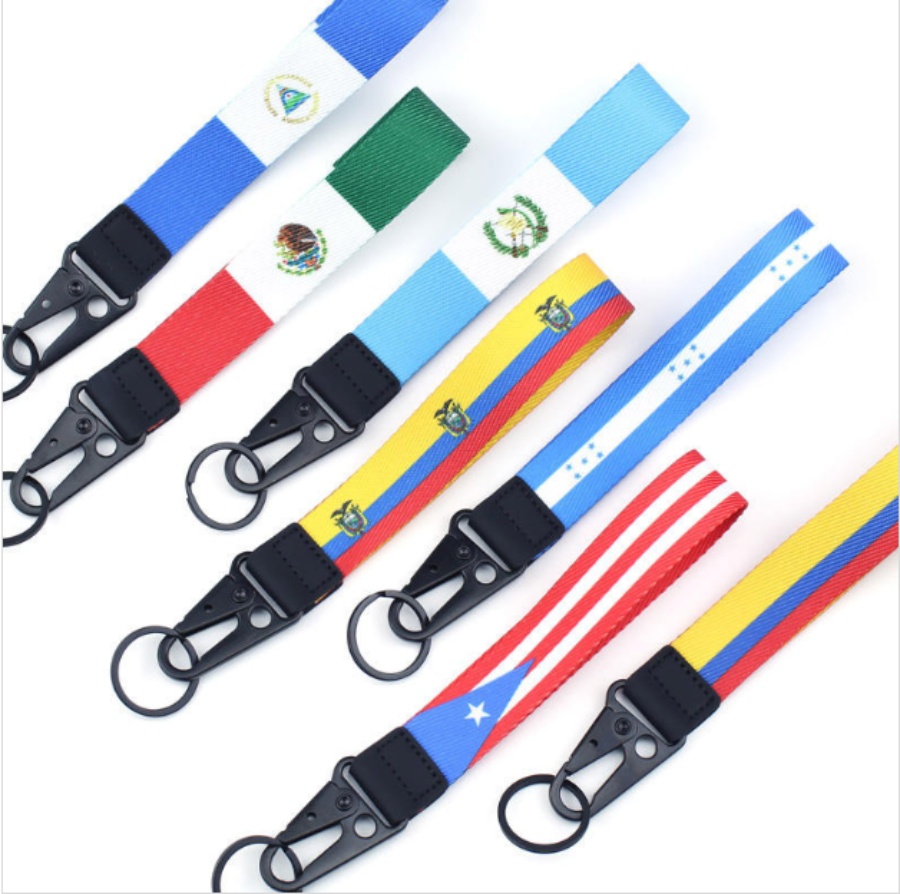
A generic lanyard is just a strap. A well-designed custom lanyard is a portable, walking brand billboard. Perfect for events, corporate offices, schools, and brand promotions, a standout lanyard balances instant brand recognition, comfortable all-day wear, and scenario-specific practicality. Here’s how to craft custom lanyards that leave a lasting impression, not just blend in. Design With a Clear Scenario & Purpose The biggest mistake in lanyard design is prioritizing aesthetics over actual usage. A lanyard for staff credentials, event guests, student access cards, or promotional giveaways serves completely different functions — and your design should match. For corporate & staff use: Prioritize high contrast, neat layout, and repeated subtle logos for quick identity recognition. For events & promotions: Adopt vibrant, themed color schemes to boost on-site atmosphere and photo visibility, turning every lanyard into a mobile brand display. Before designing, confirm your core goal: role identification, brand promotion, or thematic matching. Every design detail should serve this core purpose. Color First: Grab Attention at a Glance Color is the first visual element people notice — it defines your lanyard’s tone and brand vibe instantly. Never treat color as an afterthought to logo placement. High-contrast color combinations ensure logos and text stay readable even when the lanyard twists or moves. For a premium, low-key look, opt for coordinated soft tone pairs. For lively event scenarios, bold bright colors work best, but stick to a strict color hierarchy: 1 main color + 1 auxiliary color + 1 neutral blank area. Too many colors on a narrow strap cause visual clutter and blur your brand focus. A simple trick to test your color scheme: Stand 3-5 meters away. If your brand logo and theme are unrecognizable at a glance, simplify your palette immediately. You don’t need to use all brand colors to deliver a professional branded look. Artwork Optimization: Fit the Lanyard’s Unique Shape & Movement Unlike flat posters, lanyards are narrow, curved, flexible, and constantly in motion. Tiny fonts, ultra-thin lines, and dense icons will distort or become invisible after daily twisting and folding. Excellent lanyard design always adapts to this dynamic feature. Design Solution Best Application Scenarios Key Precautions Professional Tips Repeated large logos Corporate staff ID lanyards Overly large logos are easy to fold and block Reserve uniform spacing for repeated printing Full-color printing patterns Event & promotional lanyards Excess tiny details are prone to blurring Choose heat transfer printing for high reduction Jacquard woven patterns High-end customized premium lanyards Not suitable for photo-level delicate patterns Adopt bold and simple outline designs Color-separated strap design On-site role & area classification Similar tones cause identification confusion Use strong color contrast for clear distinction Material & Printing Process: Define Your Lanyard’s Grade Artwork determines the lanyard’s look, while materials and printing processes determine its texture, durability, and overall grade. Different scenarios require targeted matching solutions. Material selection: Polyester features stable color rendering and smooth printing effect, cost-effective for mass orders; nylon delivers soft touch and glossy texture for a premium feel; hollow woven webbing is thick and round, greatly improving wearing comfort for wide lanyards. Printing process selection: Screen printing is ideal for simple logos and single-color designs with low cost; heat transfer printing perfectly restores full-color patterns and gradient effects, perfect for themed event lanyards; jacquard weaving integrates patterns into the webbing, with outstanding durability and three-dimensional texture for high-end customized products. There is no universal “best process” — only the most suitable one for your brand style and usage scenario. All-Day Comfort = Sustained Brand Exposure A good-looking lanyard is useless if it’s uncomfortable to wear. Only when users are willing to wear it all day can your brand achieve continuous exposure. Strap width, thickness, edge workmanship, and accessory weight all affect wearing experience. Common widths (15mm/20mm/25mm) balance aesthetics and comfort differently: 15mm narrow straps are lightweight for daily wear but limit printing space; 20-25mm wide straps display logos more clearly, paired with soft materials and smooth edges for zero burden wear. Key wearable details you can’t ignore: ✅ Equip safety breakaway buckle for school, office and event scenarios to avoid snagging risks ✅ Match hooks and clips according to hanging items (ID cards, keys, reels) ✅ Avoid accessories blocking core logo and brand information ✅ Polished soft edges for long-time neck wear Final Proof Test: Fit Real Usage Scenarios Never confirm production based only on flat digital previews. Real wearing scenarios are dynamic — you need to verify the design in three real states: flat placement, worn with a badge, and distant viewing. Fold the lanyard, simulate daily twisting and wearing, and check whether the logo is always readable and the color tone is consistent. Properly simplifying redundant slogans, enlarging core color blocks, and adjusting logo spacing will make the final design more refined and professional. Final Conclusion A standout custom lanyard is not designed by random aesthetics, but by targeted matching of scenario, color, artwork, material and comfort. Every detail serves brand recognition and user experience. At TIANYAO CRAFTS, we provide one-stop custom lanyard solutions covering heat transfer, jacquard weaving, hollow weaving and nylon materials. We tailor exclusive designs for corporate, school, event and promotional scenarios, helping every client create high-value lanyards that boost brand influence. FAQ Q1: What makes a custom lanyard look professional? A professional lanyard features high color contrast, reasonable logo spacing, and scenario-matched materials. It maintains clear brand display in actual wearing scenarios, not just perfect flat preview effects. Q2: Is heat transfer printing suitable for colorful custom lanyards? Absolutely. Heat transfer printing supports full-color patterns and gradient effects with higher detail reduction than traditional screen printing, ideal for richly styled event and promotional lanyards (ensure tiny text is clear and recognizable). Q3: When to choose jacquard weaving for lanyards? Jacquard weaving is the top choice for high-end customized lanyards. It integrates patterns into the webbing for a textured, durable, and upscale look, perfect for bold logos and simple patterns (not suitable for delicate photo patterns). Q4: What is the best lanyard width for logo display? 20mm and 25mm widths are the most practical choices. They reserve enough space for complete logo display while ensuring wearing comfort. The specific width can be adjusted according to logo complexity, badge size and usage distance. Q5: Can staff and guest lanyards use the same design system? Yes. You can adopt a unified brand visual system and set obvious differences through colors, text or local patterns. It ensures a consistent brand image while realizing quick on-site personnel identification.
27th August 2026

How to Create a Memorable Custom Medal?

A medal is remembered long after the ceremony when it captures a feeling, not just a date. A well-designed and exquisitely crafted medal will truly stand out among others. How can an event team turn a standard award into a meaningful keepsake ? A memorable medal carries the event’s meaning A clear story is the foundation of a medal people keep. Before medal design, decide what the recipient should feel when the medal is held: pride, belonging, endurance, gratitude, or a shared achievement. That single emotion becomes a filter for every later design choice. Give the design one clear idea One dominant idea is easier to remember than a crowded collection of symbols. A marathon medal may build around the route, a landmark, or the final stride; a school award may center on its crest and graduation year. The edge, background, and ribbon can support that idea without competing for attention. A distinctive silhouette can make the idea recognizable before anyone reads the wording. An irregular football shape, a raised portrait, or a cut-out emblem gives the hand a cue as well as the eye. Shape should remain comfortable to hold, with edges that feel intentional rather than sharp or unfinished. Make the story visible at a glance Readable hierarchy keeps a meaningful design from becoming a visual puzzle. Put the event identity and achievement cue where they can be understood quickly, then give supporting details a quieter role. The following checks help preserve that first impression: One focal symbol that survives at small size A short title or event name with generous spacing A date, distance, division, or milestone only when it adds meaning A finish and color palette that support the event mood This is where a thoughtful custom medal brief becomes more useful than a long specification list: it explains the moment the medal is meant to preserve. Design choices that people remember Event medals become memorable through the relationship between shape, relief, color, and the ribbon. Each element should add a different kind of recognition instead of repeating the same message. For festival event medals, a strong focal symbol helps the award feel tied to the day rather than to a generic product. Global event medals can adapt that idea to a wider audience. Design choice Useful when Memory cue Raised relief A portrait, mascot, or emblem must feel tangible A detail people discover by touch Unique design   The event needs instant visual recognition A shape that is identifiable in a drawer Bright color The ceremony has an energetic or youthful mood A color linked to the event memory Antique or satin finish The story calls for heritage or formality A surface that rewards a closer look Use texture to invite a second look 3D relief is especially effective when the subject has a face, movement, or layered emblem. It creates highlights and shadows that remain visible from different angles, while a flatter 2D treatment can keep a small logo or fine text cleaner. The right answer depends on the focal image, not on a blanket preference for depth. Treat the ribbon as part of the medal Ribbon is the finishing touch of the first impression since it acts as the frame of the medal when worn, and most times it is decorated with the color codes of the event. Red ribbon makes the honor look more formal, while the tri-color ribbon adds identity of a specific sport or country. Keep the palette purposeful and give the medal face the lead role. For teams comparing custom medals and ribbons, it helps to view the pair together rather than approving them separately. Check that the ribbon does not hide the silhouette, that its attachment feels secure, and that the reverse side still looks finished when the medal turns during a ceremony. Keep the artwork legible after production A beautiful concept can lose its impact when the smallest details collapse in metal. The safest approach is to review the medal design at the approximate finished size before approving a mold. Fine outlines, tightly packed words, and low-contrast color fields deserve special attention. Important notes for medal design artwork A proof should show more than a front-view illustration. Ask to see the proposed depth, edge treatment, plating or finish, ribbon attachment, and a readable view of the reverse. TIANYAO CRAFT supports custom 2D or 3D effects, color processes, plating choices, and design drafts for approval, which helps the team test the concept before production. Review the proof at normal screen size and as a small printed image. If the medal still reads clearly in both views, the focal hierarchy is working. If it only looks good when enlarged, simplify rather than adding more decoration. Can the event identity be read without zooming? Does the focal symbol keep its shape in a single-color view? Are names, dates, and distances spaced away from the edge? Does the finish create contrast instead of glare? These checks make medal design more than an aesthetic exercise: they turn a creative idea into a reliable physical object. Make the memory last beyond the ceremony Durability matters because a memorable medal is often displayed, handled, packed, and worn more than once. Metal alloy construction, a suitable plating or coating, and clean attachment points help preserve the relief and color. The finish should be selected for the expected life of the award, whether it will sit in a case or travel in a kit bag. A soft, dry cloth is usually enough for the metal surface, while ribbons should be kept away from harsh chemicals and excessive moisture. A short care note in the presentation packaging gives recipients a simple way to protect the award. The practical takeaway The most memorable medallions follow the same principle of keeping a promise: to transform a particular accomplishment into a symbolic representation that the recipient will be able to see, touch, and explain. Begin from the story of the event, focus on one form, use relief and colors sparingly, and check all details. When the concept, ribbon, and finish all support the same emotion, the result feels personal even when produced in volume. That coherence is what turns a custom award into an object people display instead of putting away. Ready to turn your event story into a lasting keepsake? Contact TIANYAO CRAFTS to create personal custom medals. FAQ What makes a medal memorable? A focused story, recognizable silhouette, tactile detail, and readable event information give the recipient several ways to remember it. How much text should go on a custom medal? Use only wording that identifies the achievement or moment. Short titles, dates, distances, and names usually work better than a full slogan. Is 3D relief suitable for every event? No. Relief is strongest for portraits, mascots, and layered emblems. Small text-heavy designs may remain clearer with a flatter treatment.  
20th August 2026

How to Choose a Lanyard Neck Strap for Work Badges

  Introduction Let’s be real. We’ve all been there. You show up for a conference or walk into the office, grab your brand-new staff ID lanyard — and within hours it’s either digging into your neck, the logo is fading, or the clip gives out mid-badging-scan. Post-event seasons are busier than ever: trade shows bounce back to full swing, corporate onboarding ramps up, and teams are scrambling for reliable work-badge straps that actually work as hard as your team does. Too many buyers fall for the “one-size-fits-all” trap. A great lanyard isn’t just a colourful ribbon to hold an ID card. It balances snappy brand visuals, day-long wear comfort, tough real-world durability, and clear pre-production checks before manufacturing even kicks off. Get this piece right, and you avoid those awkward last-minute order headaches. Start With the Badge Use Case Before you dive into cool prints and fancy colours: stop and think about how people will actually use this thing. Conference passes, permanent staff IDs, phone lanyards and quick-grab key chains all belong to the lanyard family — yet their real-world demands are worlds apart. Ask yourself: What will this lanyard carry? How much rough handling will it see? Do folks need a quick-release in a hurry? And what brand vibe are you hoping to show off out in the wild? Map the Daily Task Who is wearing this lanyard, and what is their typical day like? This question will save you from costly mis-picks. Registration-desk staff juggling piles of visitor badges need clear display space plus rock-solid attachments. Key-chain variants may call for shorter compact lengths. Promotional event lanyards? Your logo must stay sharp and readable hanging around a busy attendee’s neck — not only looking perfect lying flat on your designer’s screen. Picture your end-users in action: are they desk-bound office team members sitting all day? Event staff sprinting between exhibition halls? One-day-only show visitors grabbing swag on their way in? These little real-life details help you nail attachment style, comfort expectations, and artwork layout that deserves formal sign-off. Match Strap Construction to Handling Material and build quality need to keep pace with real-world wear and tear. You have plenty of options: polyester, woven fabric, nylon tube lanyards, cord styles and eye-catching decorative straps. For most printed staff-badge projects, trusty polyester remains the crowd-pleasing workhorse. Pro buyer tip: Don’t only rely on pretty mock-up images for your order brief! Samples are fantastic for testing hand-feel and print quality, but your written specification should spell out material type, hardware fittings and real-world intended use. Buying question Specification to confirm Why it matters What will it carry? Badge, ID card, keys, or mobile device The use case guides the attachment and strap format. How should it look? Logo, slogan, artwork, and color treatment The artwork determines the appropriate print discussion. How will it be worn? Daily staff use, event access, or promotional distribution Wear time affects comfort and configuration priorities. Choose a Print Method That Fits the Artwork Great prints don’t happen by accident — your artwork should call the shots here. For event-ready promo lanyards, logos need to look crisp on a narrow strap and easy to read from arm’s length, even in crowded exhibition halls. Hand over your finalised artwork, colour guidelines, and any graphics or text you cannot crop or shrink. Production teams work best from approved source files, not loose verbal descriptions. Available print techniques include silk screen, heat transfer imprint, sublimation, woven and offset print. Whether you want bold solid-colour branding, vibrant full-colour graphics, repeating logos, or textured woven finishes, pick your production process based on your actual design, not guesswork. Align Decoration With Artwork Always check print placement on a pre-production proof showing the full repeat pattern. We have all seen this classic mishap: a design looks flawless on screen, but once made into a physical strap, text creeps too close to seams, clips or folded sections. Mark your preferred logo orientation and repeat patterns clearly on approval documents. This lets production teams catch awkward layout surprises before thousands of units roll off the line.   Specify Attachments and Comfort It sounds trivial, but hardware choice can make or break your whole lanyard experience. A work-badge lanyard often pairs with hooks or carabiners; key-chain-focused pieces follow totally different rules. Popular hardware picks include hooks, carabiners and handy key-chain accessories. Don’t overlook comfort, especially for all-day wear. After long trade-show days or full work shifts, scratchy heavy straps will drive your team and attendees crazy. Most well-made lanyards lean on lightweight polyester built for marathon wear sessions. Lock down these critical points before you sign off on artwork: How long will people wear these day-to-day? Do you need safety breakaway features for workplace safety compliance? What total weight will the attachments need to support? Triple-check these items in your buying brief: Exact base material and strap construction Print method and logo repeat direction Attachment hardware type and items the lanyard will hold Build a Supplier-Ready Brief Nothing slows a project down like vague request emails going back and forth. Quotes get far more precise when you hand over a complete, use-case-driven project brief. Pack your inquiry with these key details: Final artwork files Core purpose for your lanyard order Preferred strap material Clear printing requirements Hardware attachment specifications Estimated order quantity Shipping destination Firm required delivery timeline Your supplier can flag gaps and open questions early, long before you reach final order approval. Be transparent about what’s locked-in versus what you are still weighing up. If you are still debating between hook vs carabiner hardware, or torn between vibrant full-colour print and textured woven finish, note these as open decision points. This empowers suppliers to offer smart recommendations, without treating your “maybe” choices as firm production instructions. Confirm the Key Order Controls Keep miscommunication at bay with formal written approval workflows. Always request a pre-production proof covering artwork, colours, strap build, print technique, attachments and packaging requirements. Save that fully approved proof safely within your purchasing records. This avoids messy confusion from unwritten last-minute tweaks mid-production. Prepare a Clear Lanyard Inquiry Crafting a solid inquiry sets your whole project off to a flying start. Share your logo and source artwork, explain exactly what items your lanyard needs to carry, outline your event or workplace scenario, your target audience and delivery deadlines. When requesting formal quotations, document your ideal configuration in writing. Always review pre-production proof before green-lighting mass manufacturing. This keeps promo and staff-badge lanyards perfectly aligned for busy trade-show floors or everyday office life, and guarantees every stakeholder references the same standard for material, artwork and hardware. FAQ Q: What should a work–badge lanyard specification include? A: A rock-solid specification lists your badge or holder type, intended end-user, strap material, print requirements, attachment hardware, safety feature requirements, estimated quantity and delivery timeline. These details turn vague product wishes into concrete manufacturing instructions. Q: Which print methods are available for custom lanyards? A: Go-to options include silk screen, heat transfer imprint, sublimation, woven and offset print. Always send over final artwork and colour references, so process suggestions fit your real-world design. Q: Which attachments can be considered? A: Common hardware choices are hooks, carabiners and key-chain accessories. Pick fittings based on whether your lanyard holds ID badges, keys or other gear. Q: Are neck lanyards suitable for event distribution? A: Absolutely! They shine for conferences, bustling trade shows, corporate gatherings and brand swag giveaways — as long as material, artwork and attachments match your badges or free gifts. A pre-production proof review helps you dodge event-day surprises. Q: How should I choose a lanyard strap for all–day wear? A: For daily long-hour use, evaluate material quality, attachment weight, end-user activity levels and must-have safety functions. Always validate your final setup with samples or digital proofs before approving full-scale production.  
13th August 2026

From Concept to Keepsake: A Professional Guide to Creating Premium Custom Lapel Pins for Your Brand

A premium lapel pin begins with more than an attractive logo. Its material, metalwork, enamel process, attachment, and quality control must work together to represent the brand accurately. At TianYao Crafts, we develop custom lapel pins from the first artwork file through final inspection, helping businesses turn a small promotional item into a durable brand keepsake. Start With the Brand Story and Artwork The artwork determines the production method, so we begin by reviewing the design before discussing quantity or price. A clear vector file should identify the outline, color areas, lettering, plating finish, size, and attachment position. Details that look clear on a screen may become too small after reduction, particularly thin lines, narrow gaps, and small text. Our design team can help adjust artwork for metal production while preserving the original visual identity. We check whether the design requires raised metal borders, recessed enamel areas, printed details, or three-dimensional relief. For example, a logo with strong color separation is usually suitable for enamel filling, while a detailed illustration with gradients may require UV printing or a combination of printing and epoxy protection. Choose the Right Lapel Pin Construction Most custom lapel pins are produced from copper, iron, bronze, aluminum, stainless steel, or zinc alloy. The correct material depends on the design, budget, weight, surface requirement, and expected use. Copper is often selected for premium enamel work because it forms clean metal lines and supports a refined finish. Iron offers a cost-efficient solution for larger quantities, although its surface generally requires careful polishing and plating to achieve a smooth result. Zinc alloy is suitable for die-cast shapes and dimensional designs because it can reproduce curved surfaces and sculpted relief. Stamped lapel pins are formed by pressing a metal sheet with a custom die. This method works well for flat or moderately raised designs with defined outlines. Die-cast construction is more appropriate when the design contains deep relief, rounded contours, or a complex three-dimensional shape. Laser cutting or hydraulic cutting can then refine the outer profile and remove unnecessary metal. The design should be matched to the construction method rather than forced into one process. This decision influences the sharpness of the details, the thickness of the lapel pin, the final weight, and the unit cost. Soft Enamel, Hard Enamel, and Imitation Hard Enamel The enamel process affects both the appearance and the perceived value of a lapel pin. lapel pin finish Surface appearance Production characteristics Suitable applications Soft enamel Textured, recessed color with raised metal lines Strong color separation and efficient production Events, promotions, clubs, retail merchandise Hard Enamel Smooth, level, polished surface Multiple filling, firing, and polishing stages Premium gifts, commemorative lapel pins, corporate branding Imitation hard enamel Smooth surface with a hard-enamel-like look Flexible colors, lower cost, shorter production cycle Promotional collections and medium-budget projects UV printing or printed metal Flat printed artwork, including gradients Suitable for details without metal boundaries Illustrations, photographic elements, fine color transitions Pantone color matching can be used for common enamel processes. However, the appearance of a color can vary slightly depending on the metal base, plating, enamel depth, and lighting. We therefore recommend approving a physical sample when color accuracy is critical. Turn Approved Artwork Into a Production-Ready Mold Once the proof is approved, we convert the artwork into a mold specification. The mold defines the raised lines, recessed cavities, edges, relief depth, hole positions, and attachment structure. At this stage, line thickness and spacing are reviewed again because the mold must support reliable stamping or casting. For dimensional products, die casting can create sculpted surfaces that a flat stamped mold cannot reproduce. For flat, highly detailed artwork, photo-etching or printing may be more appropriate. Each method has a practical limit, so our production review focuses on what can be reproduced clearly and repeatedly rather than simply accepting the digital file as submitted. Color Filling, Baking, Polishing, and Plating After stamping or casting, each lapel pin goes through finishing operations. First, polishing and deburring take place. This step clears away rough edges. It also removes extra material before the plating phase begins. After that, the metal gets a specific coating. We can apply gold, nickel, copper, or bronze. You can also pick an antique, satin, or another custom look. Soft enamel is applied into recessed color areas, while the raised metal borders remain visible. Hard enamel requires careful filling and curing, followed by surface polishing to create its level finish. When an epoxy coating is added to soft enamel or printed surfaces, it can provide an additional protective layer and a different visual effect. Attachments, Packaging, and Quality Control The attachment should match how the lapel pin will be worn. Common options include rubber clutches, butterfly clutches, deluxe clutches, magnetic backs, safety lapel pins, and locking attachments. A heavier zinc alloy lapel pin may require a stronger backing than a lightweight aluminum or photo-etched design. Our quality checks cover dimensions, plating, color placement, surface scratches, edge sharpness, attachment strength, and packaging accuracy. Samples are generally completed within 3 to 8 days, while bulk production commonly takes 7 to 15 days depending on the item and project requirements. Sea, air, and express shipping can be arranged according to the required delivery schedule. How a Custom Enamel Lapel Manufacturer Supports Brand Consistency A reliable custom enamel lapel manufacturer should contribute technical control as well as production capacity. At TianYao Crafts, we support OEM and ODM projects, artwork preparation, sample development, production inspection, and delivery coordination. Our manufacturing background includes more than 40 years of metal craft experience, supported by five production bases, more than 70,000 square meters of manufacturing space, sales offices, and logistics centers. Our own plating production line helps us coordinate surface finishing more closely with the rest of the production process. We have also invested in pollution-treatment systems and maintain SEDEX 4-Pillar membership. For repeat programs, we can retain molds for up to three years according to project arrangements. This helps brands reorder the same design with greater consistency and may reduce the need for new tooling. Low-MOQ support and sample review are also useful for businesses testing a new product line before committing to a larger run. Frequently Asked Questions Which material is best for premium personalized enamel lapel pins? Copper is commonly selected for premium personalized enamel lapel pins because it supports clean metal lines, accurate enamel filling, and refined plating. Zinc alloy is useful for three-dimensional designs, while iron can be a practical choice for cost-sensitive larger orders. Can small text and detailed artwork be reproduced clearly? Yes, but the design must be adjusted to the final lapel pin size. Extremely thin lines, narrow gaps, and very small text may not reproduce reliably. We review artwork before tooling and may recommend simplified lettering, a larger lapel pin size, printing, or photo-etching. How long does custom enamel lapel pin production take? Samples generally take 7 to 10 days. Bulk production commonly takes 18 to 23 days after sample approval, although the actual schedule depends on the construction method, quantity, finish, packaging, and shipping method. Can we reorder the same design without paying another mold fee? A repeat order may use the existing mold when it remains suitable and is retained under the project’s storage arrangement. TianYao Crafts can keep molds for up to three years according to the applicable order terms. Confirming the mold status before reordering is recommended.    
7th August 2026

How Can Customized Keychain Online Orders Showcase Unique Designs?

Imaginative items require more than just good ideas. They need solid manufacturing. This turns them into real goods that buyers can hold and use. At TIANYAO CRAFTS, we assist brands, creators, and marketing firms. We turn original drawings into handy accessories. We do this through customized keychain online solutions. Our options range from cloth embroidery to clear acrylic printing and metalwork. Our setup process links fresh concepts directly with ready-to-make results. What Makes Custom Keychains Effective for Displaying Unique Artwork? A keychain is a tiny item. However, people see it every day. This frequent viewing builds huge value for art, logos, and private sketches. Display pieces just sit on shelves. Custom keychains are different. They travel with users on backpacks, suitcases, and key rings. This mobility makes them great for brand marketing, artist goods, party favors, and collector items. A customized keychain online project lets buyers build items from their own visual plans. They do not have to pick standard stock shapes. Art can change into various forms. This depends on the base material, the making method, and the final use. A complex drawing often looks best on acrylic. Meanwhile, a high-end brand mark might fit better on solid metal or stitched cloth. Keychain Type Material Specification Customization Process Suitable Design Applications Custom Acrylic Keychain Acrylic with custom shape and printed surface One-side or double-side printing, custom color process Illustrations, character designs, bright colored graphics Embroidered Fabric Keychain 100% fabric material with embroidery or woven label process Embroidery, woven patterns, custom colors Logos, handmade artwork, textile-style designs Metal Keychain Zinc alloy, bronze, copper, iron, pewter, or stainless steel options Embossing, debossing, engraving, 2D/3D effects Premium logos, symbols, souvenir designs PU Leather Keychain Simulated PU leather with zinc alloy accessories Laser engraving or printing Minimal logos, names, personalized gifts PVC Keychain PVC Soft PVC or Hard PVC,2D/3D effect     OBJ、FBX、STL、3DM、3DS、GLB.     Plush Keychain Plush+PP Cotton Embroidery,woven patterns,Custom colors Logos, handmade artwork, textile-style designs How Does Customized Keychain Online Production Turn Ideas into Finished Products? A top-tier customized keychain online service must start with art prep. It should not just jump into factory work. The initial step changes buyer ideas into factory-ready files. This phase includes checking size ratios and color needs. It also reviews material fit and the metal ring setup. For embroidery keychains, the art gets a mockup first. This happens before any stitching or weaving starts. Workers must look at thread count, color pairing, and size tweaks. embroidery keychain quite differently compared to standard digital printing. TIANYAO CRAFTS applies embroidery and woven methods. These create sharp patterns with steady color results. For acrylic keychains, the main factory goal is to keep the image very sharp. Acrylic offers a flat base for highly detailed prints. It also handles unique cutouts well. This makes it perfect for art-heavy layouts. Many brands build retail sets, ad pushes, or character goods. For them, acrylic keychains offer great freedom in visual display. Metal keychains need a totally different path. Their true worth comes from a heavy feel and long life. Makers use raised stamps, deep cuts, and 3D tricks. Through these steps, basic logos or signs turn into goods with a much richer vibe. PVC keychains are so popular in the anime community in recent years. More and more animethemed merchandise includes PVC keychains. For this reason, many companies turn their corporate mascots into keychains as promotional gifts for events. Vibrant colors,  vivid designs, PVC keychains are increasingly favored by young people. Plush keychains have always been popular. Labubu opened up new possibilities for plush keychain designs and triggered another sales boom for this item. Featuring brightcolored, cute designs and especially their soft plush texture, plush keychains are deeply loved by female customers. Why Are 3D Customized Photo Keychains Used for Personal Designs? A 3d customized photo keychain shows a fresh path in custom item creation. It does not just print a flat picture on a base. Instead, this style builds a deep visual trick. It does this by shifting the plastic thickness and letting light pass through. This kind of item fits buyers who wish to turn special pictures into real, touchable memories. Common uses cover family presents, memory tokens, private sets, and big event favors. When building a 3d lithophane customized photo keychain, picture clarity is hugely vital. Very sharp photos with crisp light differences normally yield much better visual outcomes. Builders must also think about the item size. Tiny faces can hide fine picture traits. For firms, these picture-based rings bring chances to build deep emotional bonds with clients. Stores can use them as custom retail goods or rare batch items. They also work as ad gifts tied to local events. How Can Graphic Design Keychains Strengthen Brand Identity? A graphic design keychain changes bright visual ideas into an everyday marketing tool. Firms, artists, and ad groups see deep value here. The worth is not just the physical piece. It is also the steady brand views it brings over time. A winning graphic design keychain relies heavily on picking the right manufacturing method. Busy art with many colors often looks best via acrylic printing. On the other hand, plain brand marks might gain a bolder look through stitching or heavy metal work. TIANYAO CRAFTS backs custom layouts. These include logos, repeated prints, and drawings across various keychain groups. For stitched cloth keychains, buyers can hand over sketch patterns, logos, or private designs. Workers then tweak these into proper factory formats. What Should Buyers Consider When Choosing a Custom Keychain Supplier? Picking a vendor takes much more than just looking at unit prices. Buyers must check if the factory can back up art prep and material choices. They also need to verify quality checks and steady output. For customized keychain online tasks, clear talks between design crews and builders directly shape the final product. A good vendor must grasp how distinct materials alter colors, forms, and tough wear. TIANYAO CRAFTS offers OEM and ODM setups for keychains. This covers cloth, clear acrylic, solid metal, and other private product paths. The firm handles unique sizes and layout tweaks. It also runs sample checks and strict quality reviews before shipping. Conclusion Custom keychains are no longer simple accessories. They have grown into handy stages for art, brand tales, and private expression. Your aim might be to make a 3d lithophane customized photo keychain. Or, it could be a graphic design keychain set or ad gear. Either way, the end quality relies entirely on exact layout shifts and solid factory work. Through customized keychain online solutions, TIANYAO CRAFTS aids firms. We turn fresh ideas into done goods using the right bases, making steps, and strict quality checks. FAQ How Much Does a Customized Keychain Online Order Cost? A customized keychain online order relies on several traits. These include the base material, size, art detail, making style, and total unit count. Material, size, artwork complexity, process, and order quantity determine the final quotation. Can TIANYAO CRAFTS Make Customized Keychains From My Own Artwork? Yes. TIANYAO CRAFTS backs custom keychain making driven by buyer art, logos, prints, and raw design ideas. We can tweak the art for stitching, ink printing, deep cutting, or other making paths. This happens well before actual factory work starts. What Is the Difference Between a Graphic Design Keychain and a Standard Keychain? A graphic design keychain is built around custom visual parts. These include drawings, logos, or fresh art pieces. Compared to standard rings, it heavily focuses on layout exactness, private touches, and brand voice. Can a 3d Lithophane Customized Photo Keychain Be Made for Bulk Orders? A 3d lithophane customized photo keychain can certainly be scaled up for bulk tasks. This works well once the art needs, item size, and factory rules are fully set. Firms must review picture sharpness and pass a physical sample. They need to do this before kicking off any massive factory runs. Does TIANYAO CRAFTS Provide Samples Before Mass Production? TIANYAO CRAFTS fully supports sample checks prior to heavy bulk making. Looking over samples helps buyers verify layout exactness and material looks. It also lets them check tiny item facts before final factory output.    
31st July 2026

Custom Keychains: Sentimental Keepsakes & Long-Lasting Brand Promotional Gifts

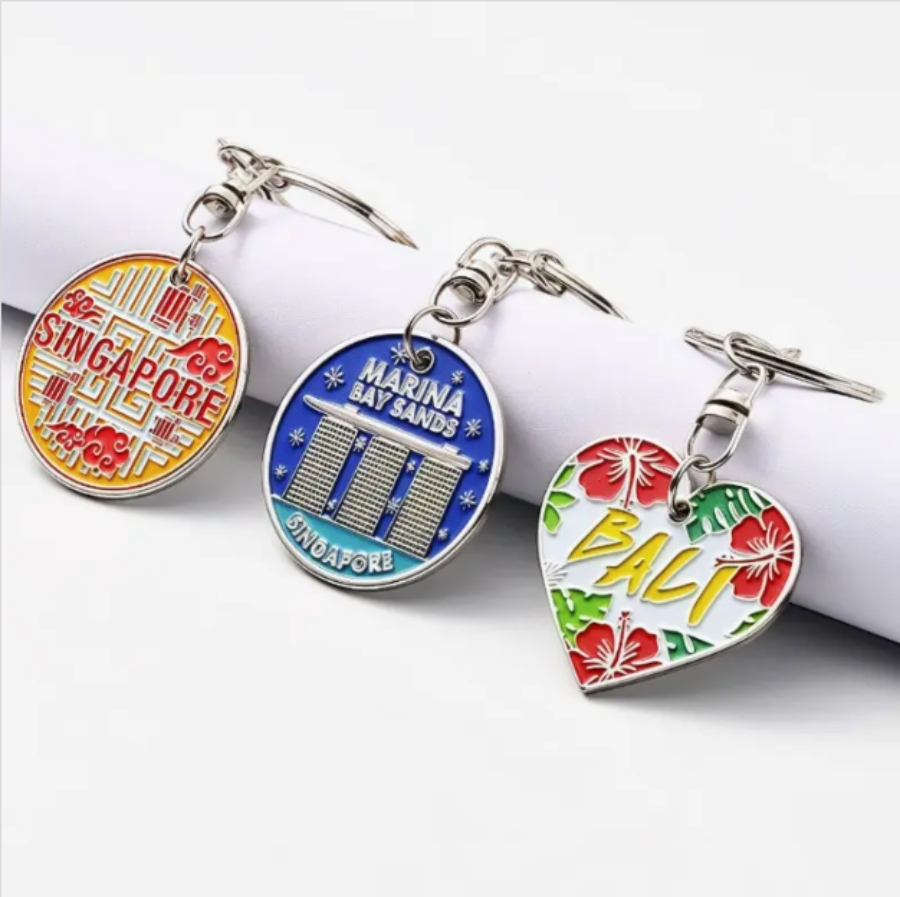
Small keychains travel with people every single day. Instead of generic off-the-shelf trinkets, personalized keychains carry precious memories and showcase your brand wherever your audience goes. At TIANYAO CRAFTS, we integrate traditional handcrafts and modern production equipment to create custom keychains that balance daily practicality, trendy looks and collectible value. We support full OEM & ODM service for personal souvenirs and corporate marketing giveaways.   Why Custom Keychains Are Top Choice for Personal & Business Use Daily essential with lasting exposure Everyone carries keys daily. Unlike disposable flyers that get thrown away quickly, custom keyrings stay with users for months or years, continuously displaying your photos, slogans or logos. Fully customizable for all scenarios You can engrave names, print family photos, emboss brand logos or design unique special shapes. Multiple materials and crafting techniques are available to create one-of-a-kind pieces tailored to your events, audiences and corporate standards. Two Main Application Scenarios Personal gifts: Mark anniversaries, honor loved ones and preserve exclusive memories Business promotions: Trade show freebies, client appreciation gifts, staff presents and campaign merchandise   What Makes Our Custom Keychains Better Than Ordinary Ready-Made Keyrings? We can adjust every tiny detail to match your exact demands: base material, surface finish, hook styles, colors and printed patterns. All customizable details shape the final look and unique texture of your keychain. Our Complete Custom Workflow Share your ideas, logos or reference pictures We draft artwork for your confirmation Start mass production only after you approve the final design Multiple craft options: stitching, weaving, engraving, UV printing, custom molding, metal polishing Every order gets an exclusive custom look with our rich production techniques.   Different Materials Bring Different Texture & Performance The material you pick decides the durability, appearance and suitable usage of your keychain: Fabric keychains: Soft touch, unlimited design ideas Metal keychains: Solid structure, premium upscale texture Acrylic & leather: Lightweight and elegant, ideal for delicate gifts 4 Hot-Selling Custom Keychain Types (Card Style Table) Keychain Type Materials Custom Craft Core Advantages Best Recommended Uses Embroidered Fabric Keychains 100% woven fabric Embroidery, woven label printing Soft touch, long-lasting, washable; fully customizable patterns, logos & colors Brand advertising, fashion accessories, promotional gifts, personal keepsakes Colorful Woven Fabric Keychains Polyester / Nylon yarn Double-sided full weaving, custom patterns, logos & text Ultra-lightweight, vibrant color output, fade-proof, supports up to 8 colors Business promo gifts, friendship souvenirs, event giveaways, daily carry accessories Premium Metal Keychains Zinc alloy, bronze, red copper, iron, pewter, stainless steel Deboss, emboss, 2D/3D relief, hard enamel, soft enamel, UV print Sturdy metal build, upscale matte/metallic texture, perfect for intricate logo artwork Travel souvenirs, corporate client gifts, brand marketing merchandise Rotatable Spinning Metal Keychains Zinc alloy, bronze, red copper, iron, pewter, stainless steel Laser engraving, deboss/emboss, enamel filling, UV printing Solid durable metal body, smooth spinning center, fully customisable front & back designs Corporate campaign gifts, event handouts, brand promotional giveaways   How Personalized Designs Turn Keychains Into Irreplaceable Souvenirs Clear graphics are critical for photo & name keychains. Proper material and printing technology restore every tiny detail of photos and custom artworks: Acrylic: Crisp single & double-sided printing effect Woven & embroidered styles: 3D raised textured surface from fine thread craft Standard Production Process at TIANYAO CRAFTS Art design → Mold making (if needed) → Production → Surface polishing → Strict QC inspection → Final packing Our standardized production ensures all bulk goods perfectly match your confirmed sample with stable consistent quality.   Key Points to Check Before Placing Custom Orders Do not choose suppliers only by low prices. You need to check their customization capacity, material ranges, past cases and quality control standards. Our Factory Strengths Rich experience in metal, fabric, acrylic promotional trinkets Independent professional production workshops Full OEM & ODM support for all custom demands 100% strict quality inspection before shipment to guarantee uniform quality Critical Confirmation Step: Design Draft & Pre-Production Sample We provide design sketches and samples for your review before mass manufacturing. You can verify colors, outlines and surface finishes in advance to avoid production mistakes and meet all your expectations.   How Custom Keychains Boost Your Brand Marketing Custom keychains are cost-effective promotional merchandise with long-term brand exposure. Print your logos, event themes and slogans on keyrings for trade shows, customer appreciation activities and employee gifts: Engraved metal keychains: Luxury premium vibe for high-end brand image Woven & embroidered keychains: Warm artistic style for casual brand campaigns Design flexibility fits all industries: travel souvenirs, school merch, corporate client gifts and promotional giveaways. Customized designs perfectly match your target audience and marketing themes.   Conclusion Custom keychains are far more than simple metal rings — they are precious keepsakes carrying personal memories, unique artworks and brand stories. You can order photo & name custom keychains, double-sided personalized keyrings, or bulk custom keychains as campaign promotional gifts. No matter how you plan to use them, a well-tailored custom keychain delivers long-lasting sentimental value and sustainable brand marketing benefits.   FAQ Q1: How much do custom keychains cost? Prices depend on 5 factors: material, design details, size, production processes and order quantity. Fabric, acrylic and metal keychains have different production costs. You can cut your total budget by selecting suitable materials and confirming all designs before mass production. Q2: Are double-sided custom keyrings good promotional gifts? Definitely yes. Double-sided keyrings offer extra printing space for logos, slogans and attractive patterns. They are practical daily accessories carried by all users for constant brand exposure. Q3: What custom crafts can you offer for keyrings? We supply a full range of customization options: woven lanyards, woven labels, deep engraving, embossing, enamel filling, UV printing and custom special shapes. Available crafts vary based on your selected material.  
23rd July 2026
Products
Contacts
WhatsApp
Email