

Products

  • Home
  • //
  • Products
  • //
  • Keychain
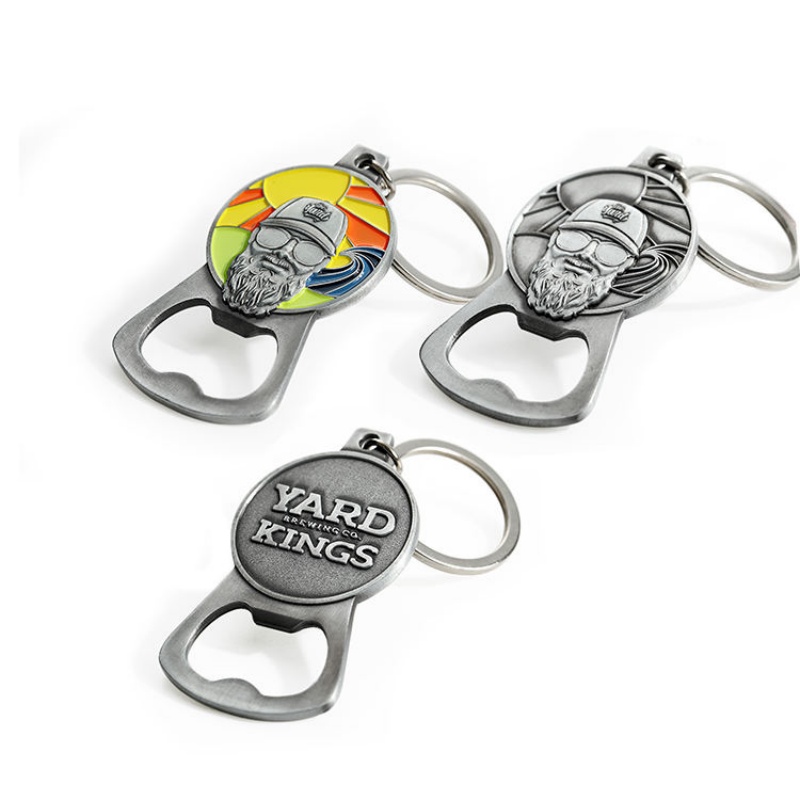
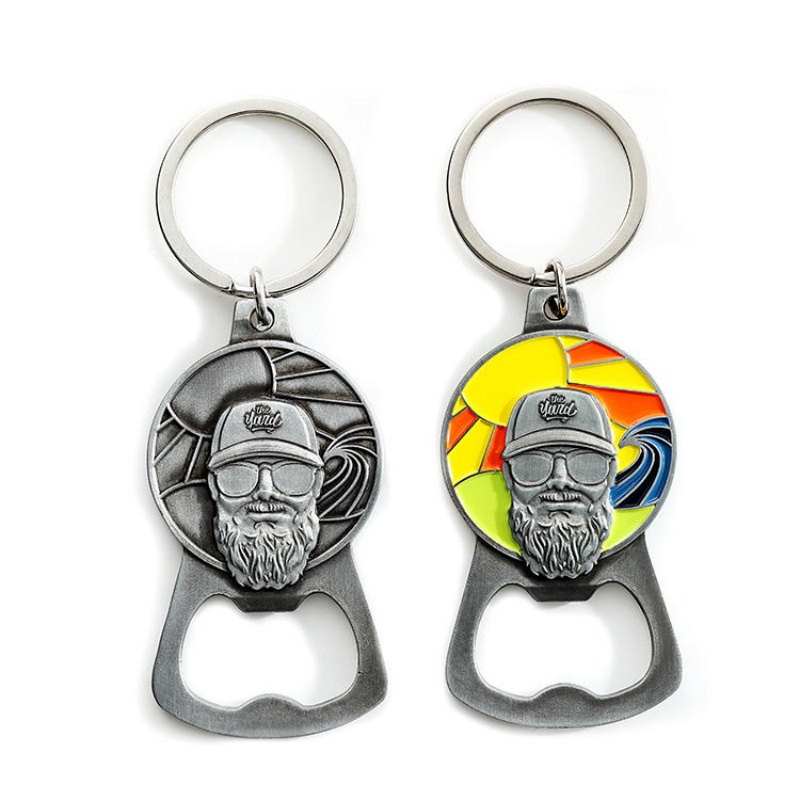
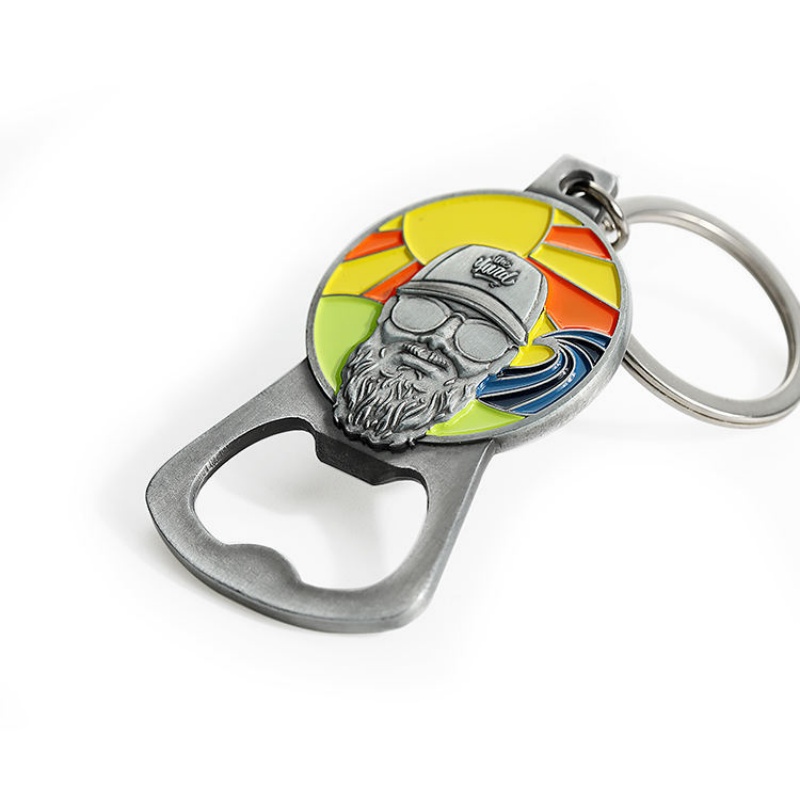
  • Custom 3D Figure Metal Bottle Opener Keychain Retro Distressed Enamel Keyring, Perfect Promotional Gift for Bars

Custom 3D Figure Metal Bottle Opener Keychain Retro Distressed Enamel Keyring, Perfect Promotional Gift for Bars

This Custom 3D Figure Metal Bottle Opener Keychain blends retro style, practicality and branding. With 3D design and vintage enamel finish, it features sturdy metal construction and doubles as a reliable bottle opener. Fully customizable with logos and text, it’s ideal for promotional gifts. Compact, durable and functional, it boosts brand exposure. Perfect for bars, breweries and events, it combines nostalgia, utility and marketing value.

Product features and advantages

●Advantages:

▪High durability, suitable for long-term use

▪Premium texture, reflecting brand tone (preferred for business gifts)

▪Supports fine engraving, ensuring clear logo presentation


Product Parameters

■ Material

▪Zinc Alloy: Low cost, strong plasticity, can be die-cast into complex shapes

▪Copper/Iron: Heavy texture, prone to oxidation, requiring surface treatment (e.g., nickel plating, chrome plating)

▪Stainless Steel (304/316): High hardness, corrosion-resistant, suitable for high-end customization

■ Size:Custom size

■ Acceptance: OEM/ODM, Trade, Wholesale, Customization

■ Payment methods: telegraphic transfer, letter of credit, PayPal


Item name Metal Keychain
Material Zinc Alloy / Bronze / Copper / Iron / Pewter/Stainless
Logo Process Debossed / embossed, 2D or 3D effect on one-side or two-sides
Color Process Hard Enamel / Imitation Hard Enamel / Soft Enamel / UV printing/ Blank
Packing Poly bag, OPP bag, Bubble bag, Gift box, Custom required
Plating Process Gold / Nickel / Copper / Bronze / Antique / Satin, etc..
Application Souvenir, Gifts, Company Gifts…
- OUR PRODUCTS

RELATED PRODUCTS

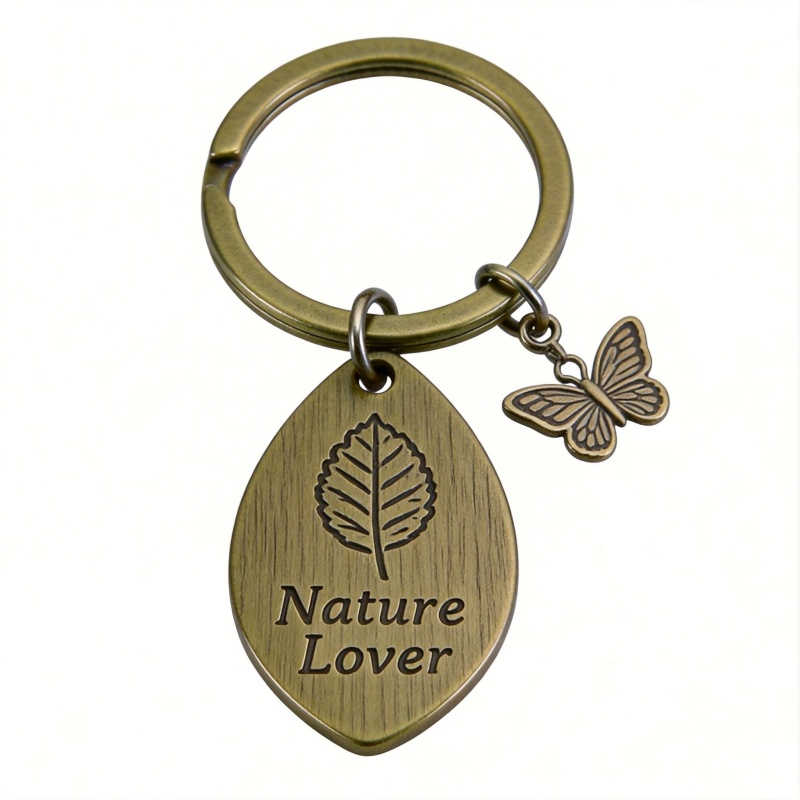
Custom Vintage Engraved Metal Keychain, Personalized Travel Souvenir & Promotional Gift Key Ring
Our Custom Vintage Engraved Metal Keychain blends classic style with lasting utility. Crafted from premium metal with an elegant vintage finish, it features crisp, deep engraving for logos, patterns, city landmarks or meaningful text. Compact, sturdy and lightweight, it is the perfect personalized travel souvenir and stylish promotional gift. Ideal for tourism events, corporate giveaways and commemorative occasions, this timeless keyring combines nostalgia, practicality and brand exposure, making every carry feel special.
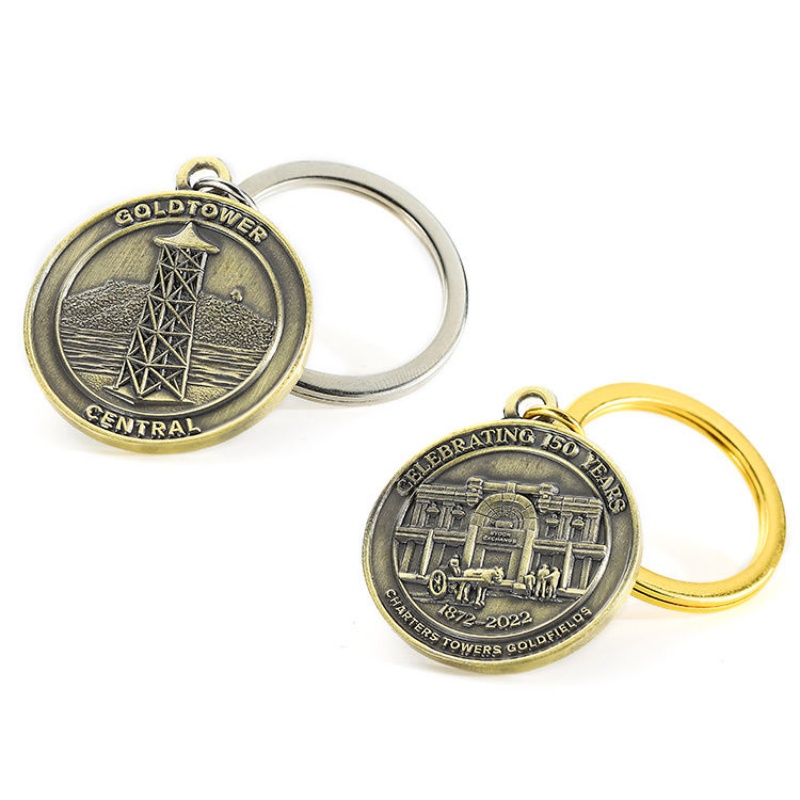
Custom Vintage 3D Relief Metal Keychain, Antique Brass Souvenir Key Ring, Personalized Anniversary Keychain
Our Custom Vintage 3D Relief Metal Keychain combines timeless antique brass finishing with stunning sculpted relief details for an elegant, nostalgic appeal. Expertly crafted from durable metal, it features deep, vivid textures that highlight logos, emblems, or commemorative motifs. Personalized for anniversaries, milestones, or special events, it serves as a meaningful keepsake and practical daily accessory. Compact, sturdy, and full of character, this keychain stands out as a premium souvenir that honors memories while offering lasting functionality.
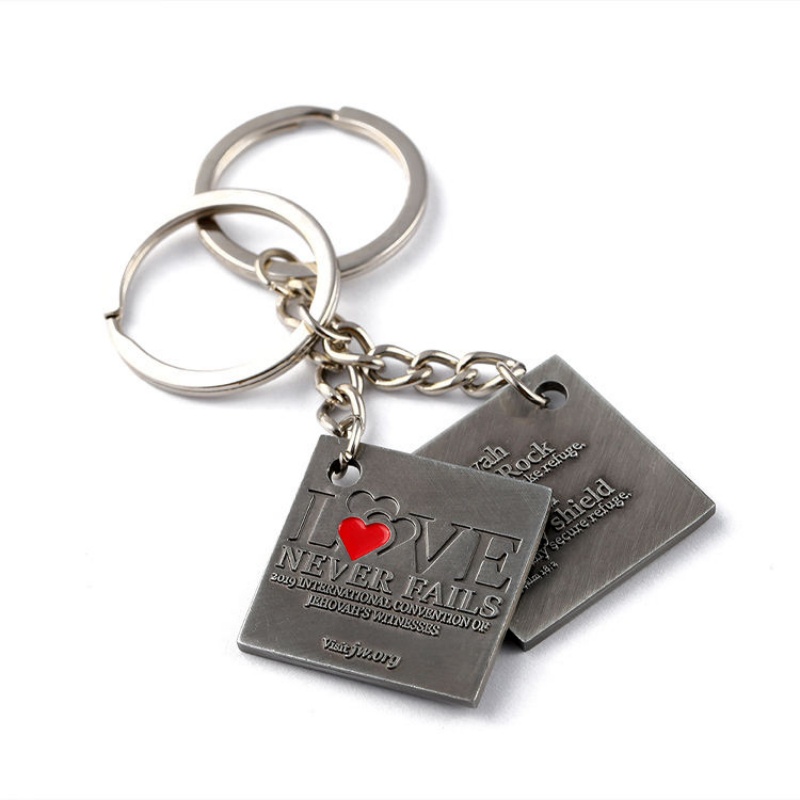
Custom Square Metal Keychain, Engraved Enamel Heart Key Ring, Personalized Souvenir Gift for Events & Conventions
Our Custom Square Metal Keychain blends modern geometry with delicate heart details for a memorable keepsake. Featuring smooth engraved accents and colorful enamel filling, it delivers crisp, long-lasting artwork tailored to your brand or event. Sturdy, lightweight, and built for daily use, this keyring works perfectly as personalized swag for conventions, corporate gatherings, and special occasions. Fully customizable with logos, slogans, or meaningful symbols, it combines sentimental charm with practicality. A stylish, thoughtful gift that leaves a lasting impression on every recipient.
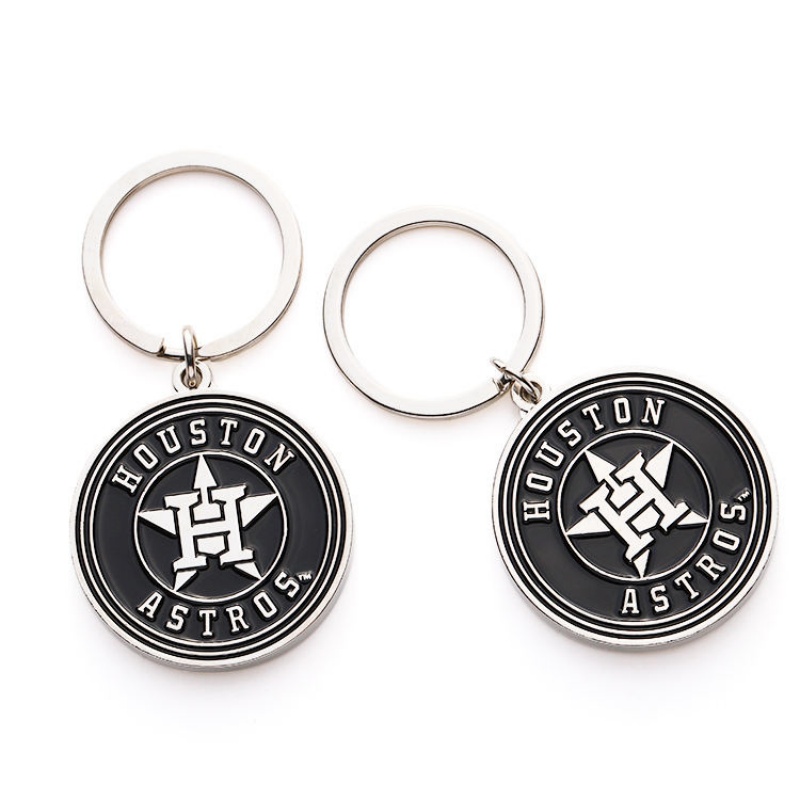
Custom Enamel Metal Round Keychain, Sports Team Style Collectible Key Ring, Custom Gift for Fans
Show your team spirit with our Custom Enamel Metal Round Keychain. Designed in bold sports team style, it features vibrant enamel infill, crisp details, and a durable polished metal finish. Fully customizable with team logos, colors, slogans or mascots, it becomes a proud collectible for fans and supporters. Compact, sturdy and lightweight, it attaches easily to keys or bags. Ideal as fan gifts, tournament giveaways, club merchandise and souvenir items, this keychain blends team pride with everyday utility.

recent
blog articles

How Lanyard Materials Shape Daily Wear

01
October
A visitor may wear a lanyard for two hours; an employee could wear the same strap all week. Those are different demands on the fabric. Before choosing a logo, consider how the strap will feel against the neck, what it needs to carry, and how often someone will handle it. Comfort Depends On The Webbing Structure Most of the contact with the neck comes from the webbing, so start there. Smooth polyester is a practical choice for events: it takes a clear print and balances everyday durability with cost. Nylon can offer a softer feel and a more polished appearance for staff wear, outdoor activities, or branded merchandise. When ordering custom made lanyards, think about how long each person will wear one. A basic strap may be enough for a short visit. Employees wearing badges all day have more reason to notice rough edges. Extra width can help spread the weight, while a smoother surface may reduce rubbing. Hollow tubular webbing is woven as a flat tube, rather than made by stitching two strips together. Its rounded, thicker feel can soften contact under tension on neck, hand, and shoulder straps. For large orders that call for a flatter, uniform strap, high-speed woven webbing is another option. Print Method Changes What The Logo Can Do A simple logo and a detailed mascot don’t ask the same thing of a print process. Screen printing suits solid marks and short wording, particularly when an event needs a large quantity at a controlled cost. Heat transfer gives more scope for color and fine edges in campaign graphics or multi-color artwork. Heat transfer keeps color flexible Heat transfer is useful when color does much of the work: a campus mascot, a sports graphic, or an exhibition design. The smooth surface can carry sharp artwork without giving it a raised, rough feel. Check the design on the strap itself, where the available space is much narrower than on a screen. Jacquard makes the pattern part of the strap With jacquard webbing, the logo is woven into the fabric. There is no separate printed design on the surface, which helps the pattern withstand rubbing and washing. The trade-off is artwork flexibility: gradients are less suitable. A simpler woven mark can work well on premium accessories, outdoor straps, or designs visible from both sides. Material or method Daily-use strength Best fit Heat-transfer webbing Colorful print, smooth edge, efficient production Events, campus passes, campaign gifts Nylon webbing Soft hand feel, strong toughness, premium look Staff wear, outdoor use, brand merchandise Hollow tubular webbing Thicker feel, rounded edge, tension buffering Neck straps, hand straps, bags, equipment straps Jacquard webbing Woven-in logo, durable pattern, textured surface Premium straps, uniforms, two-sided exposure High-speed webbing Flat surface, clean edge, large-batch efficiency Simple logo lanyards and standard badge use Badge Weight And Attachments Need A Practical Match Choose the fitting with the actual load in mind. A light visitor badge may need only a basic metal hook or plastic clip. Keys, a whistle, a small tool, or a phone lanyard strap put greater demands on the connection and stitching. If the fitting feels weak, changing the fabric alone won’t solve the problem. An id card holder lanyard should also keep the card usable. A lanyard with clip can hold a flat badge in view; a swivel hook lets it turn more freely. For frequent scanning, consider a retractable reel. Try the card with the chosen fitting to see whether the wearer has to keep straightening it. TIANYAO CRAFTS offers metal hooks, plastic lobster clips, safety release buckles, retractable reels, badge clips, carabiners, whistles, LED lights, and related fittings. These options let buyers keep a strap design while adapting the accessories to its job, whether that is office access, a school card, an exhibition pass, or outdoor use. Safety Details Matter In Crowded Or Active Settings Think about where a strap might catch or be pulled, especially around children, equipment, or crowds. A breakaway point is intended to release under pulling pressure while allowing normal badge use. Decide whether the setting calls for one early in the design process, before the strap and its attachments are finalized. On a safety breakaway lanyard, the release part needs room to separate cleanly. That still leaves the ordinary wearing details to check: width, stitching, and a hook suited to the carried item. Adding a release buckle won’t make a rough strap comfortable or turn an unsuitable fitting into the right one. Common checks before production Before production, put the proposed strap and attachment together and check them with the intended item. Feel the edges against the skin, read the logo from a normal distance, and see whether the badge hangs without awkward twisting. These checks address different problems; a clear print alone tells little about comfort. Feel along the strap edge and check for rubbing during wear. Read the logo at the chosen strap width and a normal viewing distance. Attach the intended badge, keys, or device and check how it hangs. Brand Visibility Should Serve The Wearing Context For custom logo lanyards, the setting helps determine how prominent the branding should be. Repeated, larger marks can make sense at an exhibition. An office team or hospitality program may prefer a quieter woven design. In either case, the wearer still needs a strap that sits comfortably through the day. The fabric lanyard surface affects the artwork, too. A dense, smooth weave can keep printed edges crisp; textured woven lanyards give the design a more tactile finish. Look at a sample from the distances that matter for its use, such as across a registration desk or in a group photograph. With lanyards for id badges, visibility starts with the card. Can it face forward, and can the wearer reach a reader without struggling with the fitting? Comfortable webbing and hardware suited to repeated scanning make the lanyard useful throughout the day. The logo has to fit around those needs. Practical Takeaway Start with the wearing conditions, then choose the construction. Polyester with heat transfer suits colorful event artwork; nylon offers a different hand feel. Hollow webbing adds a softer, rounded structure, while jacquard puts the design into the weave. Match the hardware to the badge or other item, and consider a breakaway where pulling is a concern. A finished sample lets you judge how those choices work together. FAQ What material is best for custom made lanyards? For many events, polyester is a practical starting point. Nylon may suit a softer feel, while hollow tubular webbing adds thickness. If a woven logo is the priority, consider jacquard. The choice depends on the wearing time, the artwork, and what the strap carries. Are woven lanyards better than printed lanyards? It depends on the artwork and finish you want. Weaving puts the pattern into the strap and gives it texture. Printing offers more scope for full-color artwork and gradients, which may matter more for an event design. When should an id card holder lanyard use a reel? Consider a reel when the card needs to reach a reader repeatedly during the day. The wearer can extend the card to scan it while leaving the strap around the neck. Do lanyards for id badges need breakaway buckles? Consider one wherever the strap could be pulled, including schools, crowded events, and active workplaces. Choose it for the setting, and check the rest of the assembly as well. The buckle doesn’t replace sound stitching or suitable hardware. Can custom logo lanyards be used as gifts? Yes, if the recipient has a reason to use one. A comfortable strap with an appealing design can be a useful daily gift. Give the badge or carrying function as much attention as the branding.
How Custom Keychains Turn Artwork Into Keepsakes

24
September
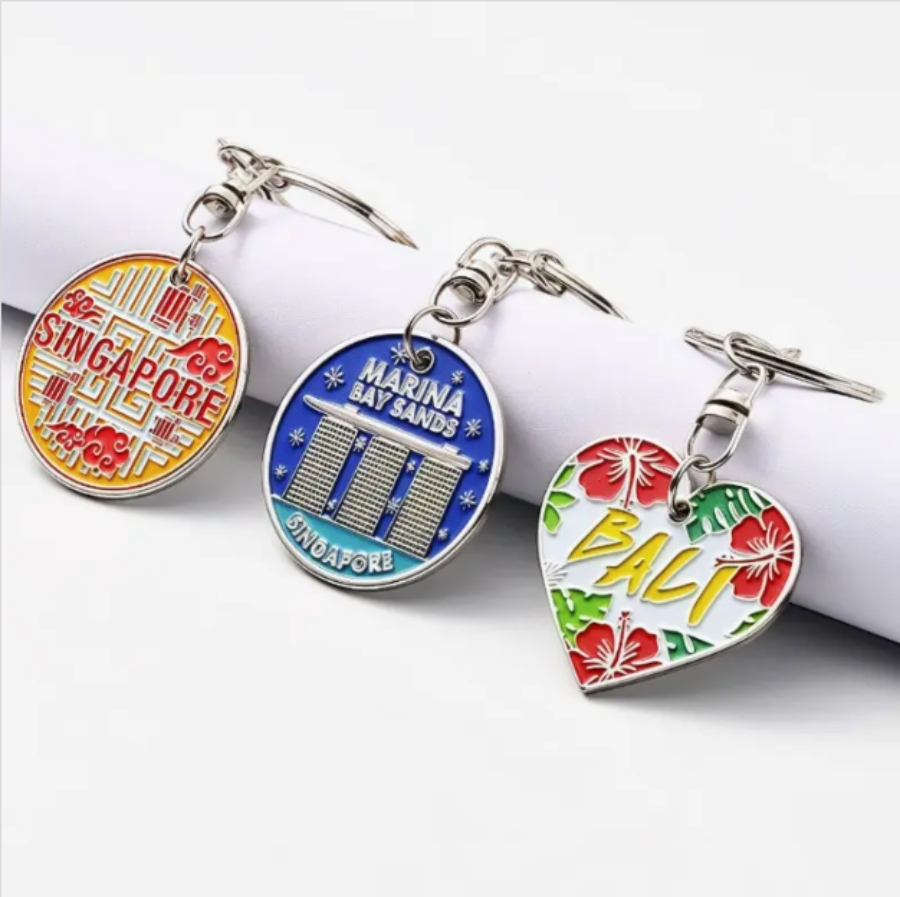
A vivid keychain design does more than carry a logo. It has to shrink artwork into a small object that still feels clear, touchable, and worth keeping. For artists, fan communities, event teams, and brand merch planners, the point is how to protect the personality of the artwork once it becomes a daily-use product. Artwork Has to Survive the Real Object Small size gives artwork less room to explain itself. A poster can express relying on background detail, shading, and supporting text, but a keychain usually has to work from an arm length away, under changing light, and while moving on a bag or set of keys. The best starting point is not the size but recognition. A character face, figure outline, landmark, slogan should remain readable after holes, accessories are added. If the shape only works on a large size, it will probably become muddy as a small charm. Shape and silhouette A recognizable silhouette makes a custom key-chain feel distinctive before a person reads any detail. Rounded ears, a building roofline, a sports emblem, or an unusual product shape can carry more memory than a rectangle filled with tiny artwork. This is why custom shaped keychains remain useful for Art-themed souvenirs: the outline itself becomes part of the message. Color and print edge Color decisions should support the object instead of fighting it. Bright blocks, clean outlines, and soft contrast usually translate better than soft gradients when the piece is viewed quickly or photographed for online product showing. Fine shadow can still work, but it needs a strong border or focal subject so the small piece does not look washed out. Keep fine text away from cut edges and connector holes. Use stronger contrast for faces, logo, and small icons. Let one visual idea dominate instead of compressing a full poster on it. Material Changes the Feeling of the Story Material choice changes how the same artwork be understood. Custom acrylic keychains make full-color art feel glossy, light, and young, while softer PVC pieces can make character shapes feel rounded and playful. Fabric and metal keychains create different signals when the artwork needs soft texture or premium weight. Acrylic works especially well when the design depends on clear printed color. TianYao Crafts can produce custom acrylic pieces from high-grade 3 mm acrylic, cut them into custom shapes, and assemble them with metal keyring hardware and colored accessories. That combination is useful when the artwork needs color accuracy, clean edges, and a practical accessory. The point is not that which one material is always better. The better choice is the one that lets the artwork keep its strongest cue after production, handling, and everyday wear. A souvenir image may need acrylic clarity, a club patch may need fabric softness, and a commemorative emblem may need the weight of metal. Hardware Accessory Choices Decide Daily Use Hardware often looks secondary during design, but it controls how the keepsake behaves after delivery. The gap between the charm and the ring, the connector color, and the chain length all affect whether the piece sits cleanly or easy to wear. Acrylic keychains, for example, can use stainless steel key rings, chains, and clasps to stay sturdy in daily use. When the artwork is meant for bags rather than keys, fabric keychain construction may feel softer and less noisy, while metal keychain options can suit heavier commemorative designs. Hardware should match the carrying situation, not just the factory default. When a set needs variation Sets need a consistent rule so each design looks related without becoming repetitive. A set might keep the same charm size and connector color while changing expressions, character poses, or background color by variant. This gives collectors a reason to complete the set without making every piece feel copied. When durability matters Daily-use pieces need enough margin around holes and raised areas. Keychain rings with chain can help a charm move naturally, but the artwork should still avoid fragile points that catch on fabric or bend under pressure. The stronger choice is often a slightly simplified shape that survives bags, pockets, and repeated handling. Keepsakes Work When They Feel Specific People keep small objects when they connect to a clear memory or identity. A custom photo keychain can preserve a pet, school event, trip memory, or campaign image. Personalized keychains with names work for similar reasons. The name is not just decoration, it makes the item feel assigned, gifted, or collected. Fandom keychains use the same logic when a mascot, phrase, color set, or expression signals group belonging. The object becomes a portable cue that says where the owner belongs or what moment they want to remember. This is where custom shaped keychains stay useful year after year. They are small enough to travel, affordable enough for sets, and visible enough to keep artwork in circulation after an event or launch ends. Practical Takeaway for Artwork-Led Keychains A memorable keychain starts with one strong visual idea, then uses material, cut shape, color, and hardware to protect that idea in daily use. If the artwork still reads at small size and the object feels comfortable to carry, the keepsake has done its job. For custom product planning, TianYao Crafts is most relevant when the artwork needs making sample, custom cutting, full-color printing, practical hardware assembly, and batch consistency across related designs. The next useful step is to test the artwork at real charm size before adding more effects. FAQ What artwork works best for custom keychains? Artwork with a clear subject, strong outline, and limited tiny text usually works best. Mascots, logos, landmarks, character faces, and simple illustrations tend to stay readable after shrinking. Are acrylic keychains better for colorful designs? Acrylic is a strong choice for colorful artwork because it supports full-color printing and clean custom shapes. It is especially useful for fan art, souvenir artwork, and bright promotional designs. How can a keychain set avoid looking repetitive? A set can share one consistent format while changing expressions, colors, or artwork details. This keeps the collection coherent while giving each piece a reason to exist. What makes fabric and metal keychains feel different? Fabric and metal keychains create different touching signals. Fabric feels softer and casual, while metal feels heavier, more formal, and more suited to durable commemorative designs. How long can acrylic keychain production take after proof approval? Acrylic keychains can be produced in about 5 to 10 business days after proof approval when the design and production details are confirmed. More complex orders may need a separate schedule check.

Why One-Stop Promotional Product Sourcing Pays Off

17
September
A multi-item campaign can look simple on a brief and become messy as soon as each product follows a different proof, production, packing, and shipping path. One-stop sourcing earns its value when a single partner coordinates those handoffs, keeps the brand rules intact, and makes the complete delivery plan visible before production begins. Campaign complexity grows at the handoffs The real cost of fragmented sourcing appears between suppliers. A medal, patch, keychain, and lanyard may share one campaign date, yet each uses different artwork limits, color methods, tooling steps, and packing requirements. Separate versions of the brief can quickly create separate approval problems. Those problems compound when an item changes. A revised quantity can affect packing, carton counts, freight mode, and the date when other products must be ready for consolidation. Buyers comparing promotional products suppliers should ask who owns the cross-category schedule, not who can quote the longest catalog. A single owner turns variety into one operating plan Central coordination creates one control point for information that would otherwise be repeated. The supplier can translate a campaign brief into item-level specifications and flag decisions that remain product-specific. Procurement still approves each item, but every approval follows one naming system, one version history, and one milestone plan. Control point Multiple disconnected suppliers One-stop sourcing model Artwork Separate file requests and proof formats One master brand file with item-specific proofs Color Independent interpretations of brand colors Shared Pantone references and approved tolerances Packing Carton and labeling decisions made late Pack-out defined before production closes Schedule Dates tracked product by product Dependencies managed against one campaign deadline This model should preserve technical differences. Strong one-stop sourcing separates common brand rules from category-specific production limits. A buyer can approve a woven label differently from a die-cast coin while keeping campaign identity and delivery logic connected. Consolidation protects the brand across product types Brand consistency depends on controlled translation because the same logo cannot be reproduced identically on every surface. Fine lines that work in print may need adjustment for embroidery, while metal relief, laser engraving, and molded PVC require different spacing decisions. A supplier handling custom promotional items should show how the master artwork changes by process before final approval. Physical samples or production proofs turn that explanation into an acceptance standard. Buyers should record approved dimensions, color references, logo position, surface finish, attachment, and packaging for each SKU. The advantage of consolidation is a shared approval system, not one generic proof that ignores how the products are made. Product range matters only when control travels with it A broad catalog is useful only when the supplier can explain where each item is made and how outside work is controlled. This question matters most for mixed campaigns because specialty fittings, retail boxes, or trend-led accessories may come from different production partners even when one company manages the order. That is where TIANYAO CRAFTS fits the one-stop model. Its operations cover metal and embroidery crafts, while dedicated lanyard and PVC factories extend the range. A purchasing team sources special fittings, packaging materials, and trend items, evaluates outside factories, and arranges quality checks before shipment. The same control logic should apply when a campaign includes unique promotional gifts outside the core factory range. Before accepting a consolidated quote, confirm who approves the sub-supplier, who holds the master sample, where inspection occurs, and how a failed item affects the combined shipping date. One-stop service is credible when responsibility remains clear at every handoff. One timeline must cover proofing production and freight Campaign deadlines should be planned backward from the required arrival date. The schedule needs room for artwork review, sample approval, production, inspection, packing, consolidation, export handling, and transport. A supplier may complete one fast item early, but that does not protect the event date if another SKU misses its proof window. Buyers should request milestones that name the owner and latest safe approval date for every product. They should also identify which items can ship separately if a delay occurs. This turns on-time delivery into a plan with visible decision points and recovery options. Consolidated shipping can reduce the number of deliveries and simplify receiving, but it is not automatically the best answer. Separate freight may be safer for an urgent launch item or a product with a longer inspection cycle. The strategic benefit lies in making that tradeoff once across the whole campaign. How to judge whether consolidation fits your campaign One-stop sourcing works best when several products share a brand system, approval team, destination, or launch date. It is especially useful when the buyer values fewer handoffs, consistent documentation, and coordinated packing. A specialist may still be better for a technical item whose process or compliance requirements exceed the general partner’s control. Before appointing one partner, test the operating model. Which categories are made in-house? Which are sourced? How are artwork changes recorded? Who approves sub-suppliers? What inspection evidence is available? Can carton labels and kitting follow one plan? Clear answers show whether the supplier is consolidating responsibility or forwarding purchase orders. The strategic advantage is controlled simplicity The strongest one-stop relationship simplifies campaign management without simplifying the products. Each item keeps its manufacturing logic, while the campaign gains one brief, one approval history, one schedule, and one accountable coordination team. That combination can reduce rework and make delivery risks easier to spot. For a campaign spanning several categories, send TIANYAO CRAFTS the product list, quantities, artwork, packaging plan, destinations, and required arrival date. The response should make ownership and milestones as clear as the product choices. FAQ What should a one-stop promotional product brief include? A useful brief lists each product, quantity, target recipient, logo files, Pantone references, decoration method, packaging, destination, and required arrival date. It should also name the approvers and explain which items must arrive or pack together. Does one-stop sourcing always lower unit prices? No. Consolidation may reduce coordination, duplicate setup, and fragmented freight, but unit cost still depends on material, process, quantity, tooling, and schedule. Compare the complete landed and management cost, not only the lowest line-item quote. How can buyers verify color consistency across products? Use one master color reference, then approve item-specific samples or proofs for each material and process. Record acceptable tolerances where exact matching is impossible. Keep approved samples available for production inspection and repeat orders. Can different promotional products ship together? They can when production dates, packing formats, customs requirements, and destination plans align. The supplier should show the consolidation cutoff and the cost of waiting. Urgent or inspection-sensitive items may need a separate shipment. When is a specialist supplier the better choice? A specialist is preferable when one item carries unusual engineering, testing, compliance, or process demands that the one-stop partner cannot control or document. The buyer can still consolidate the remaining items under one campaign plan.

How Custom Patches Build Local Fashion Identity

10
September
Local fashion often grows from signals people recognize across a street, a pop-up table, or a social feed. A small fabric detail can carry that signal better than another printed slogan because it feels touchable and shared. That is why patches remain useful for labels that want community identity to live on jackets, caps, bags, uniforms, and event merch. Fabric Identity Works When People Can Wear It A local label becomes easier to remember when its visual mark travels with the people who believe in it. Patches give that mark a physical edge: thread, border, backing, and placement all affect how the item feels in real use. A screen print can flatten into the garment, while a patch creates a small object on the surface of fabric. This is the practical appeal of custom embroidery patches for fashion crews, campus groups, music collectives, and neighborhood campaigns. The patch can carry a logo, mascot, phrase, date, or symbol while letting the base garment stay simple. When the same mark appears across different clothing items, the group looks connected without needing identical outfits. That sense of connection matters because local fashion is usually built through repeated sightings. A jacket worn by one person, a tote carried by another, and a cap on a vendor table can all point back to the same identity. The patch becomes the part people notice, touch, ask about, and remember. Texture Changes The Feeling Of The Message The right patch style shapes how brand identity comes across. Embroidered patches are built with stitched threads on fabric bases, delivering a raised, artisanal surface. Woven patches use fine interlaced threads, enabling crisp, flat detail for tiny text and intricate graphics. Chenille patches bring a plush, vintage-varsity aesthetic, while printed patches excel at reproducing photographic imagery and complex gradient art. Raised thread feels personal Raised embroidery works perfectly for brands aiming for warmth, heritage, and hand-crafted character. It fits club crests, minimalist icons, bold monograms, sport-inspired badges, and any design where texture carries part of the brand story. A patch is more than just a printed graphic — it adds tangible, physical character to garments. Flat detail keeps small graphics readable A woven patch becomes stronger when the design includes narrow lines, small type, or compact illustration. The surface stays smooth, so it can look cleaner on hats, technical jackets, and bags. This is especially useful when a local label needs a detailed emblem to remain legible at a modest size. Patch style Best identity use Visual effect Embroidered Bold logos, heritage marks, team identity Raised thread and classic texture Woven Small text, detailed icons, clean fashion marks Flat surface with sharper detail Chenille Varsity drops, sports capsules, nostalgic branding Soft pile and strong dimension Printed Artwork, gradients, photo-style graphics Smooth surface and full-color detail  Placement Turns A Patch Into A Social Cue Patch placement changes how people read the garment. A chest patch feels official and close to the wearer. A sleeve patch feels like a team or crew signal. A back patch behaves more like a poster, while a bag or cap patch travels through daily routines with less commitment than a full garment. The same visual mark can change mood across items. On denim it may feel collectible; on a work shirt it may feel organized; on a tote it may feel casual and public. That flexibility is why one patch for shirt program can extend into caps, backpacks, aprons, and event uniforms. Good placement avoids decoration without meaning A patch has the most value when it answers a placement question instead of filling space. The wearer should understand why the mark sits there: to identify a role, show belonging, mark a limited release, or carry the story of an event. Random placement weakens the identity. Use chest placement for names, crews, or compact brand marks. Use sleeve placement when the patch should feel like affiliation. Use back or bag placement when the artwork needs more visibility. Backing Choice Affects Everyday Use Attachment method decides whether the patch becomes permanent, flexible, or event-specific. Sew-on backing is durable for garments that will be washed often. Iron-on backing is convenient for small batches and simple application. Hook-and-loop backing lets uniforms, gear, and bags change patches by role, season, or campaign. Custom embroidery patches for heat press can support fast application when the fabric and temperature are suitable. This route fits short production windows, staff apparel, or event merch, but it still needs fabric testing because not every material reacts the same way to heat. A strong local identity should survive use, washing, and handling, not only look good on launch day. A Patch Program Needs One Clear Visual Rule Local fashion benefits from variation, but the patch system still needs a rule that holds the collection together. The rule may be a fixed border shape, a recurring thread color, a repeated icon, or a consistent placement zone. Without that anchor, the collection can feel like unrelated souvenirs instead of one community language. For teams developing embroidered promotional products, TIANYAO CRAFTS can support embroidery, woven, chenille, printed, iron-on, sew-on, hook-and-loop, and adhesive patch options across clothing and accessory uses. That range matters because the same identity may need one finish for a fashion drop and another finish for event staff, team gear, or repeat daily wear. The goal is to make the mark recognizable enough that people connect it with a place, group, or story after seeing it a few times. Practical Takeaway Custom patches build local fashion identity when they make a shared symbol easy to wear, recognize, and reuse. The strongest approach starts with the feeling the label wants to create, then chooses texture, placement, and backing around that purpose. A patch can be small, but when it appears consistently across real clothing and accessories, it can make a local brand feel present in everyday life. FAQ Are embroidered patches better than woven patches for fashion brands? Embroidered patches are preferred for designs where the company wants some texture, simplicity, and an old-fashioned look while woven patches are better for complex designs with small text and lines. Where should a patch be placed on a shirt? The position of the patch for the shirt will depend on whether the patch is used to identify the wearer, embellish the shirt, or make the design visible from a distance. Can one patch design work across jackets, hats, and bags? One design can work across several items if the shape, border, and color remain consistent. Size may need to change so the detail stays readable on each product. When do chenille patches make sense? Chenille patches become relevant when the fashion idea requires varsity style, pile material, or simple letters. Patches may not be used for small writing or complicated illustrations. Can patches be used as logo–embroidered corporate gifts? Corporate gifts that require an embroidered logo can be created using patches if the patch serves an important function as an identity symbol rather than a large billboard.

LEAVE US A MESSAGE


    Products
    Contacts
    WhatsApp
    Email